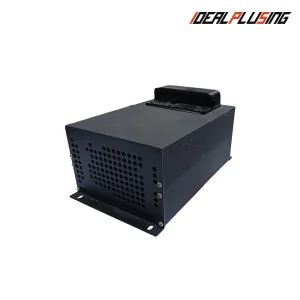
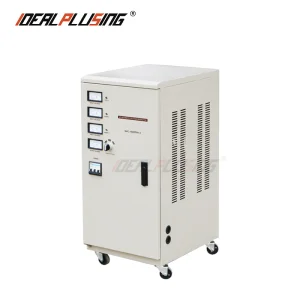
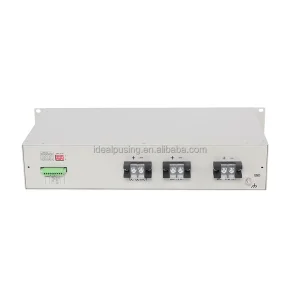
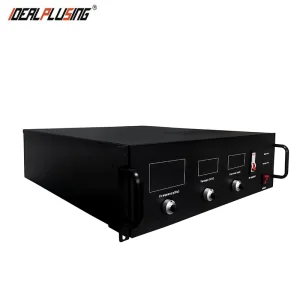
Featured High-Precision Power Conversion & Protection Systems
Engineered to deliver exceptional voltage stabilization, frequency modulation, and transient overvoltage suppression for global enterprises.
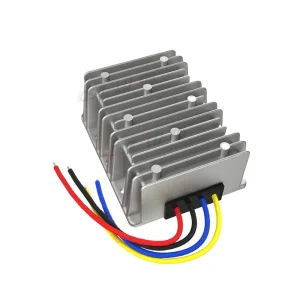
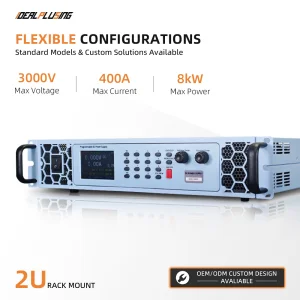
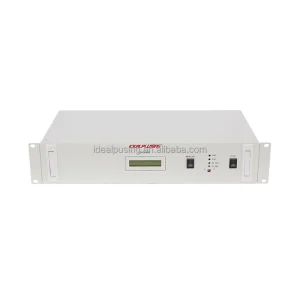
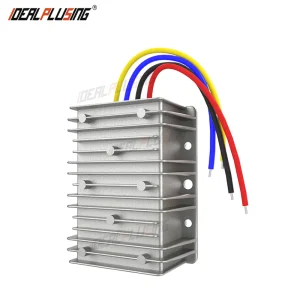
1. Executive Insight: The Crucial Role of Surge Protection in Modern Industrial Architectures
In today's highly digitized industrial ecosystem, transient overvoltage occurrences represent the single greatest cause of microelectronic component failure and operational downtime. As automated manufacturing facilities, clean energy grids, and high-frequency communication infrastructures scale globally, the integration of heavy-duty power conversion apparatuses—such as high-voltage AC power supplies, pure sine wave solar inverters, and high-power DC-DC converters—demands robust, multi-layered transient protection mechanisms.
A Surge Protection Device (SPD) acts as an essential diagnostic and protective shield. It clamps destructive voltage spikes (resulting from indirect atmospheric lightning, grid switching operations, or electrostatic discharge) down to safe thresholds, preserving the integrity of downstream assets. High-frequency operations, variable load profiles, and volatile off-grid solar fields require specialized SPDs that maintain operational safety under intense thermal stress. Consequently, identifying the industry's premier manufacturing and engineering sources is paramount for procurement directors looking to optimize reliability and secure compliance.
Grid Instability & High-Volt Testing
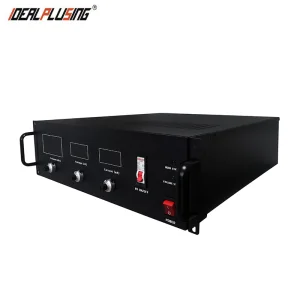
Critical systems, like our 10kVAC frequency modulation high-voltage units, are subjected to extreme test environments. Without matching industrial-grade SPDs, switching transients can trigger catastrophic insulation failures and transformer breakdown.
Renewable Grid Volatility
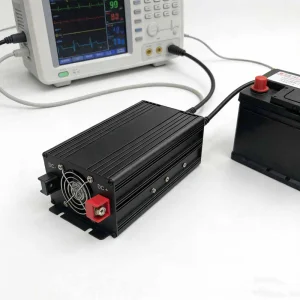
High-power solar installations (utilizing 6000W pure sine wave inverters) operate under constantly varying weather conditions. Lightning spikes on DC and AC distribution lines require coordinated Type 1 + 2 SPD arrangements to protect investment value.
Automated Heavy Industry
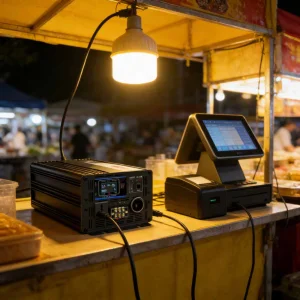
Programmable DC supplies and frequency converters operating in modern assembly setups represent significant capital layout. Heavy machinery switching inductive loads can degrade sensitive equipment over time without continuous local protection.
2. China's Supply Chain Leadership: Scale, Customization & Integrated Capabilities
China has emerged as the global epicenter for industrial electrical manufacturing. The concentration of component producers, silicon processing foundries, raw copper refining operations, and highly specialized design houses enables unmatched production efficiency and speed. In the Pearl River Delta, specifically within the Guangzhou manufacturing cluster, our facility drives this standard forward. By uniting our proprietary manufacturing capabilities with over 20 partner facilities, we offer customers access to more than 10,000 active, high-performance power supply and protection models.
We serve as an integrated partner, managing development, engineering design, assembly, sales, and complex system construction. Our core development catalog includes:
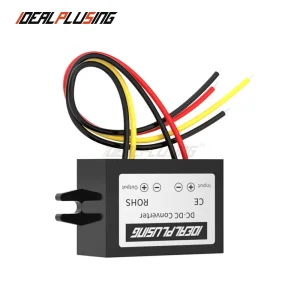
- DC-DC Converters (Isolated & Non-Isolated): 12VDC up to 1000VDC input/output range, with single-module power ranging from 1kW to 200kW.
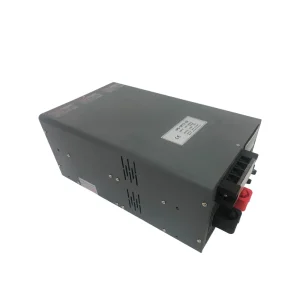
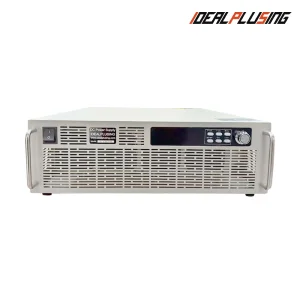
- AC-DC Regulated Power Supplies: Precision configurations supporting output voltages from 0 to 200kV, and output current from 0 to 20,000 Amps.
- DC-AC Industrial Inverters: Inputs starting from 12VDC scaling up to 2000VDC, delivering pure sine wave output capacity from 100W up to 500kW.
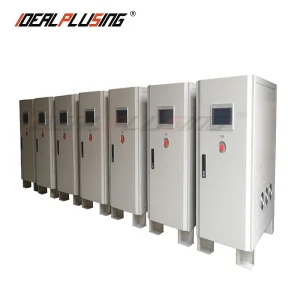
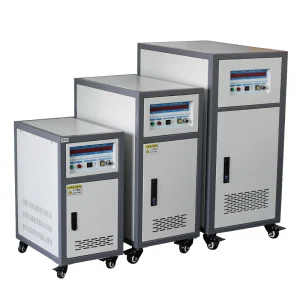
- AC-AC Programmable Sources: Offered in single or three-phase systems, with adjustable frequencies from 10Hz to 500Hz, and loading limits between 1kVA to 500kVA.
- AC-DC High-Capacity Ground Power Units: Tailored for heavy aerospace and maritime transport platforms, scaling from 300 Amps to 50,000 Amps.
This massive technological portfolio allows us to integrate transient surge protection elements directly into the initial product design phases. Every converter, inverter, and regulator is designed from the PCB layer upward to handle overvoltage stressors, eliminating the integration headaches and cost-creep associated with external add-on components.
3. Operational & Quality Control Showcase: Advanced Step-by-Step Processing
Under our core directive, "Leading Technology, Reliable Quality, Satisfactory Service & Customers First!", we utilize advanced test instrumentation, optical diagnostics, and strict environmental aging to guarantee operational stability.
Our Guangzhou Production Facilities
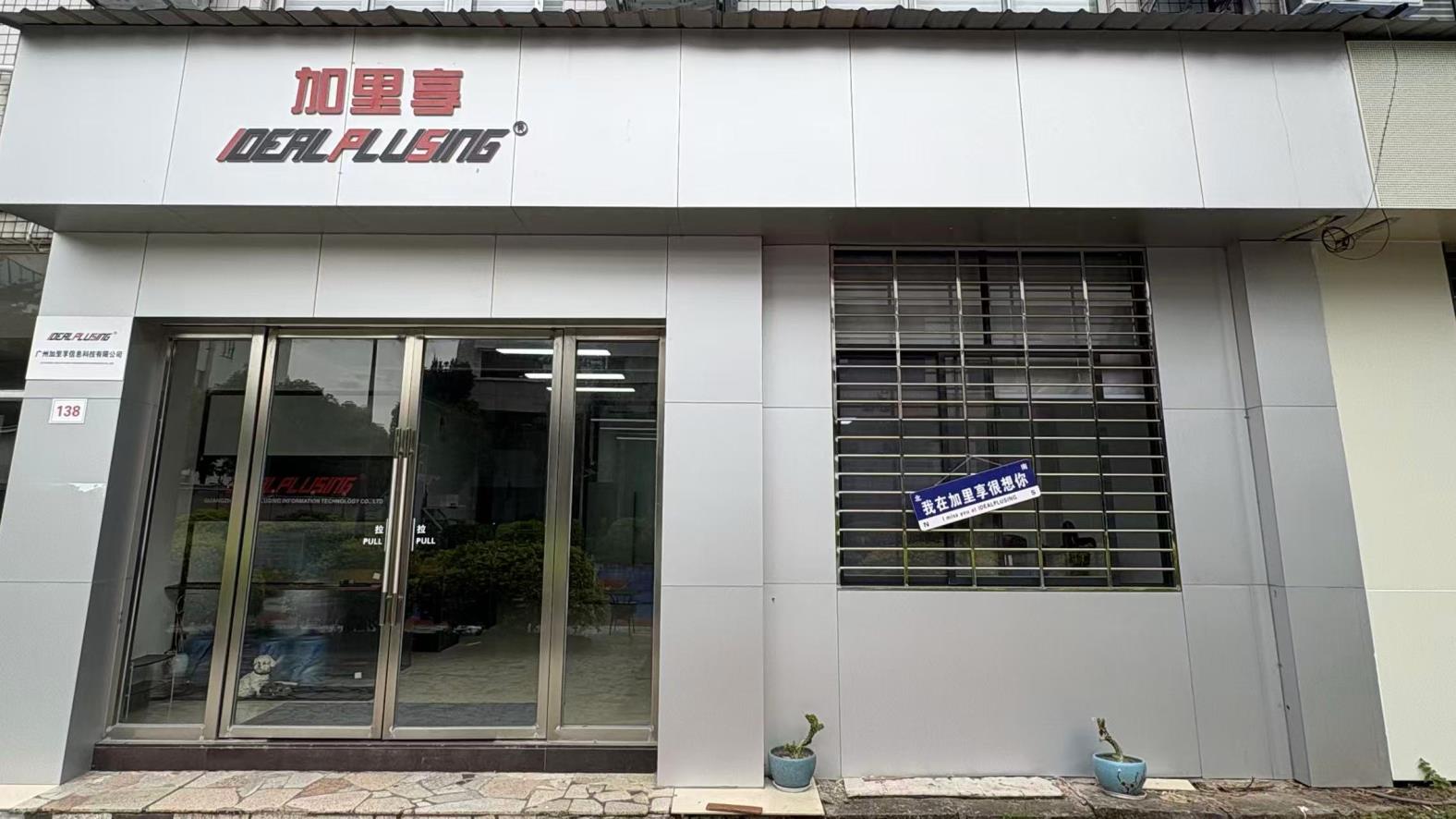 Factory Facility Floor
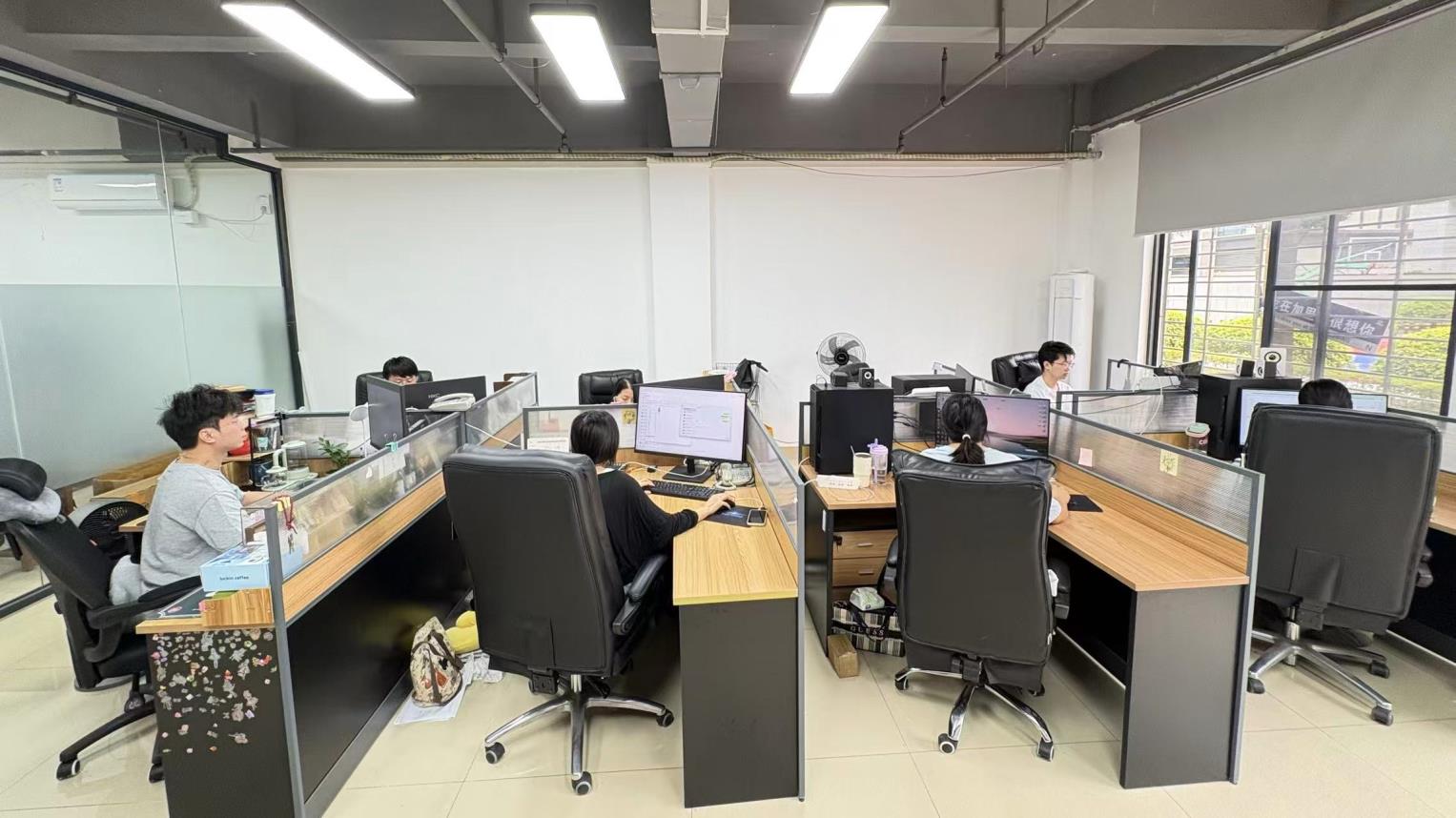 R&D / Assembly Center
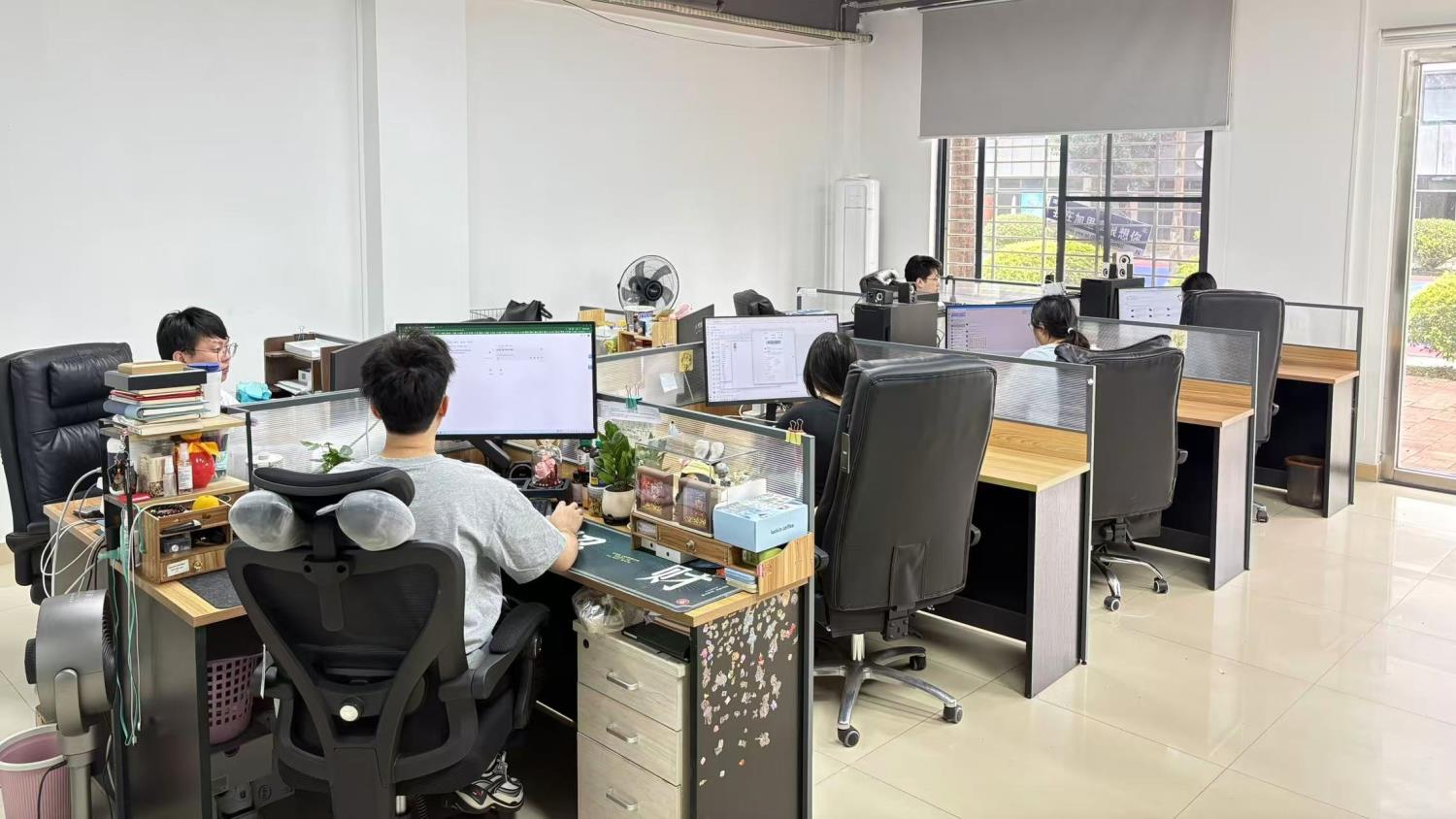 Component Warehouse
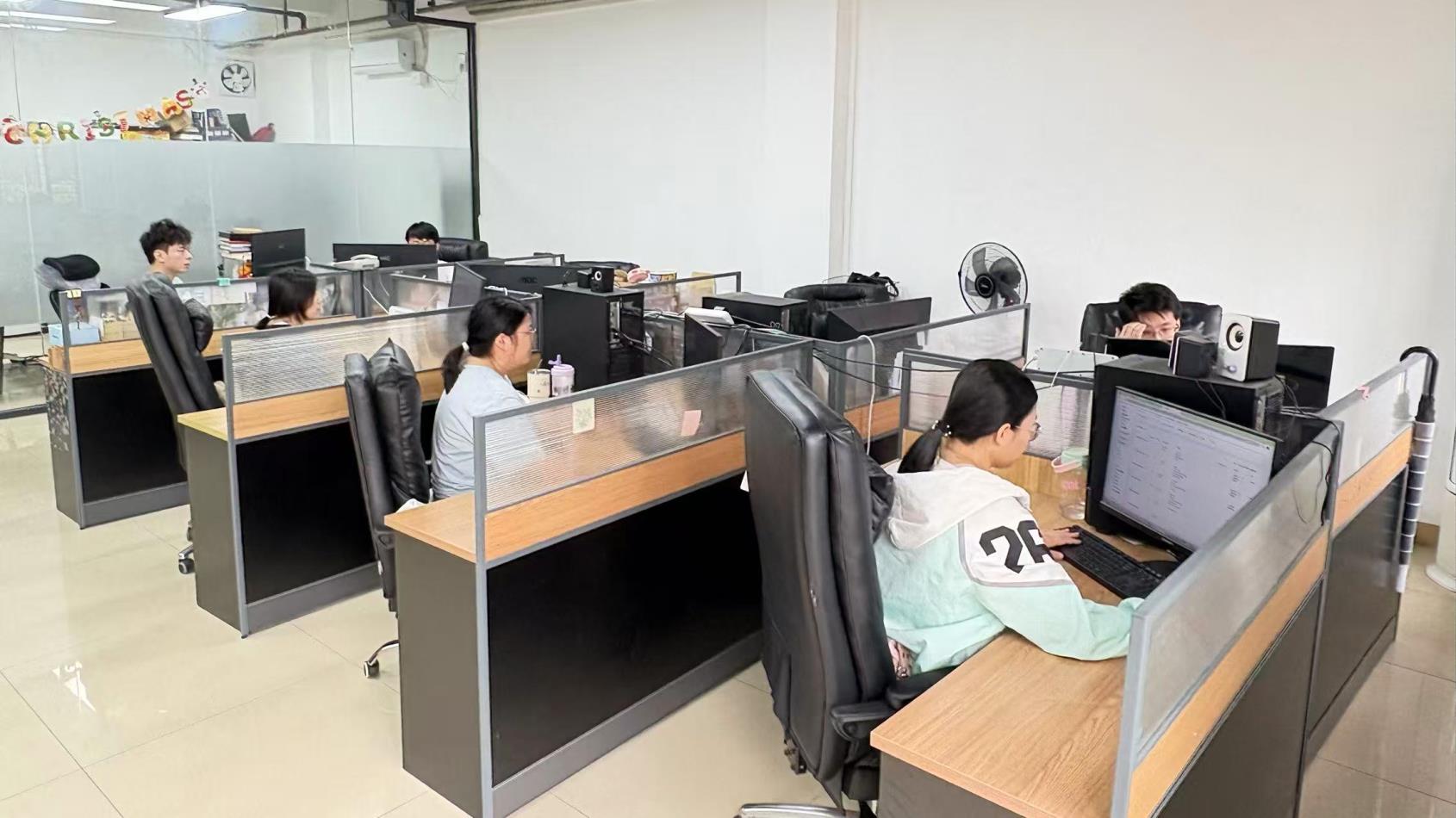 Automated SMT Line
Precise Engineering & Assembly Stages
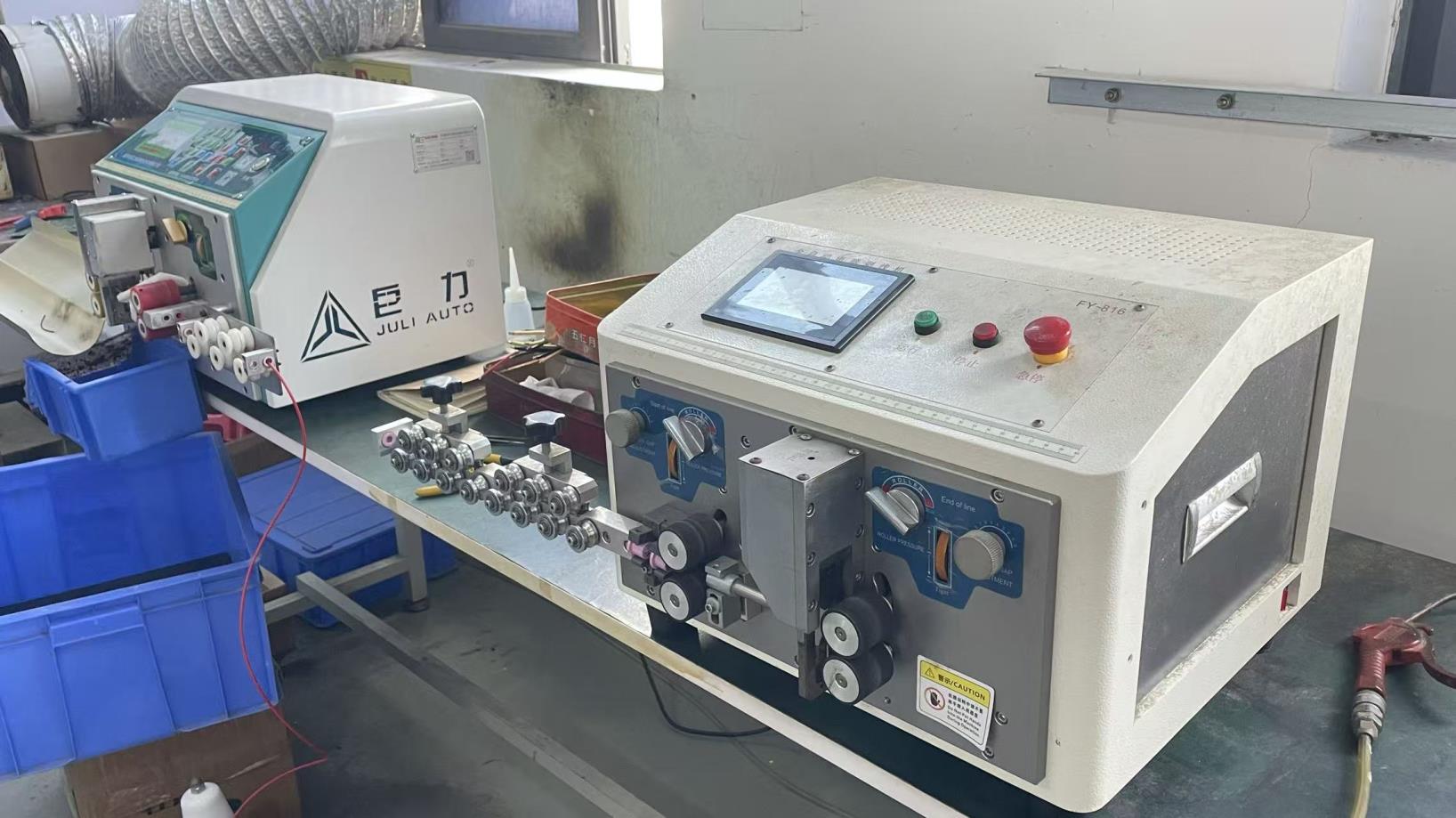 Wire Cutting
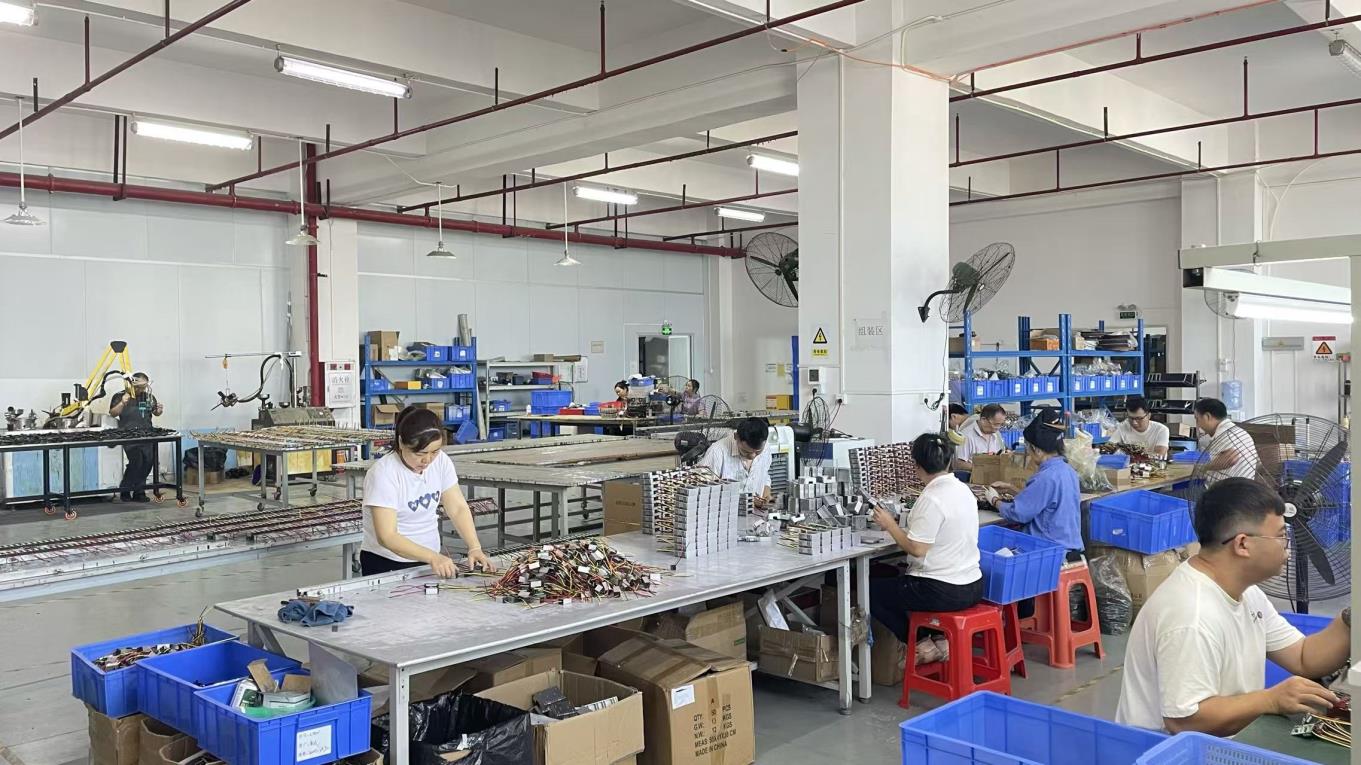 Plug-In
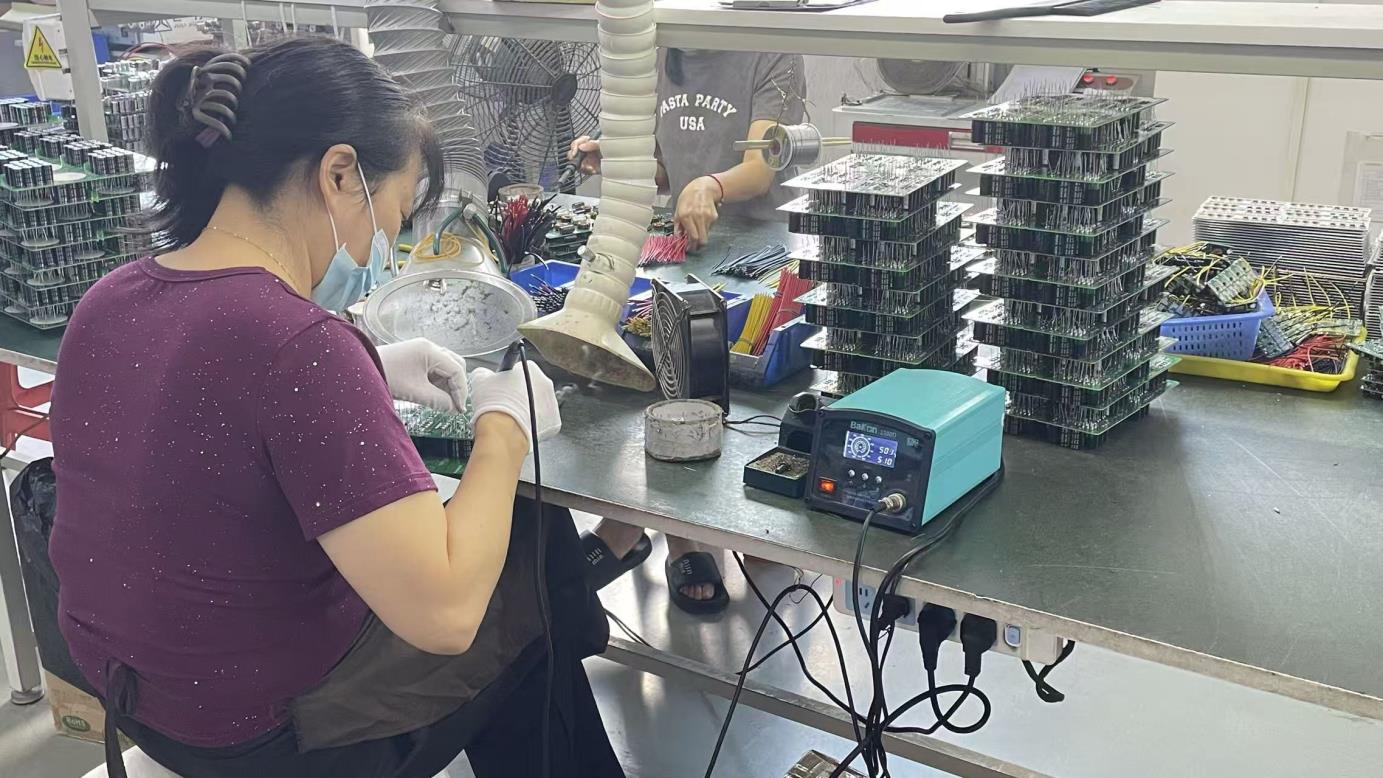 Soldering Tin
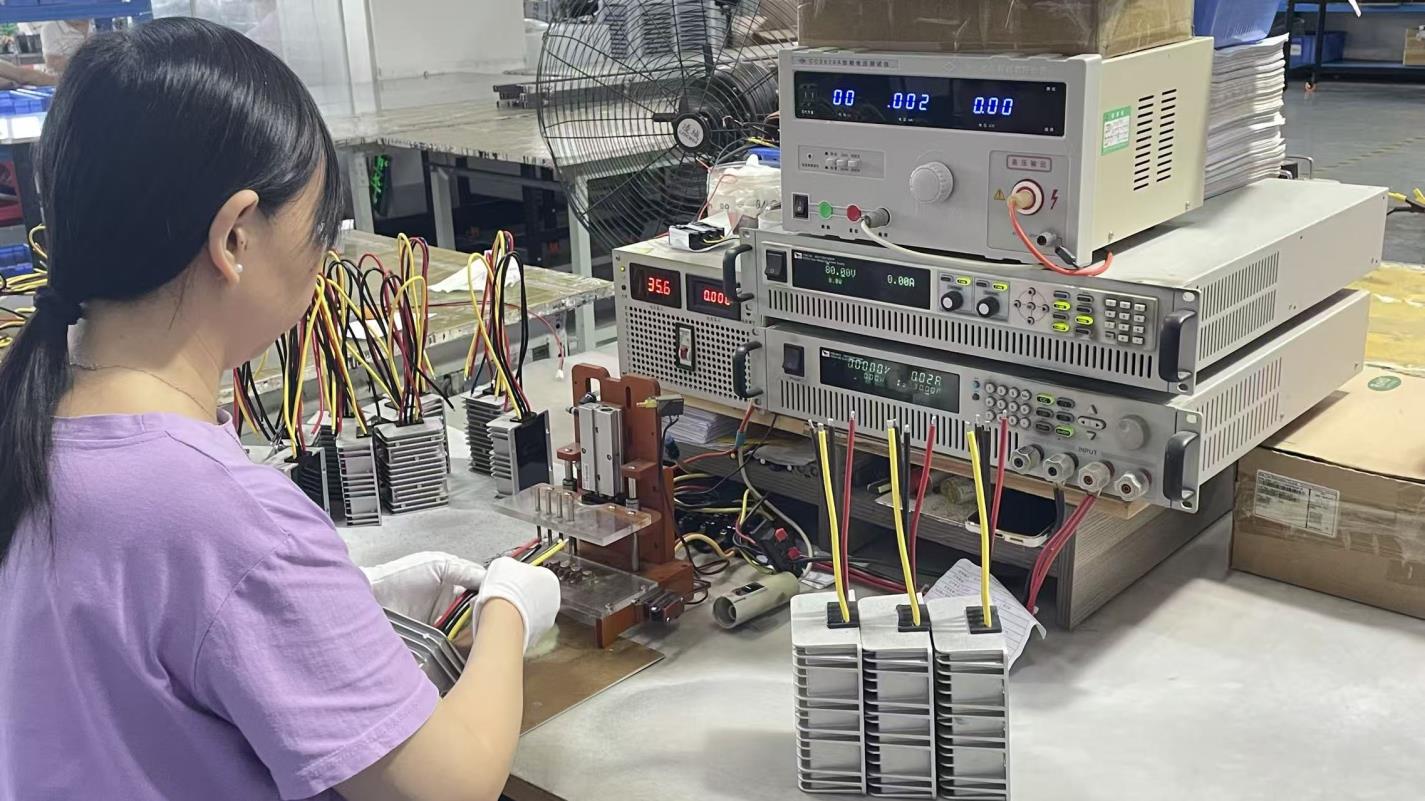 Test
Test
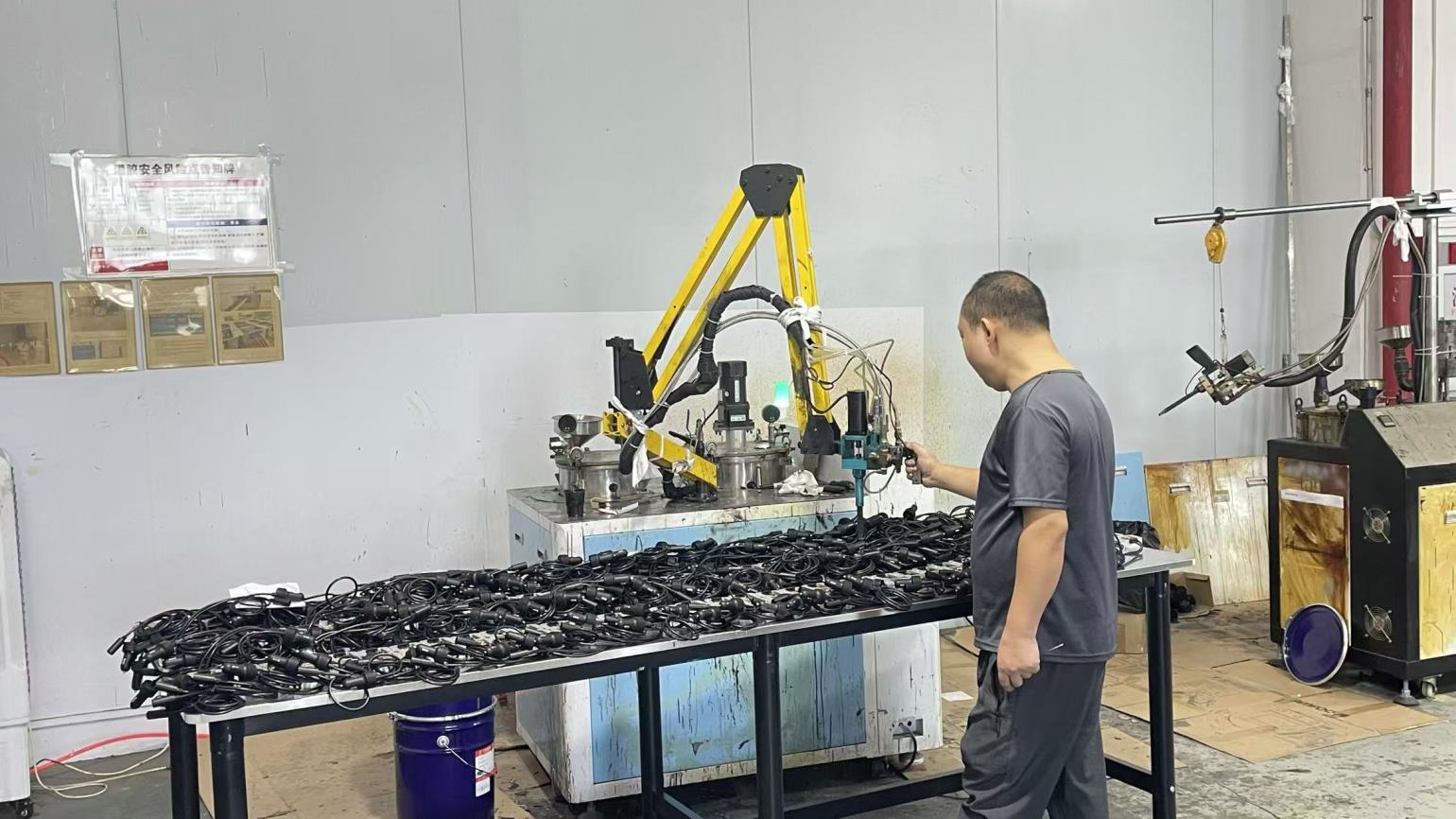 Glue Filling
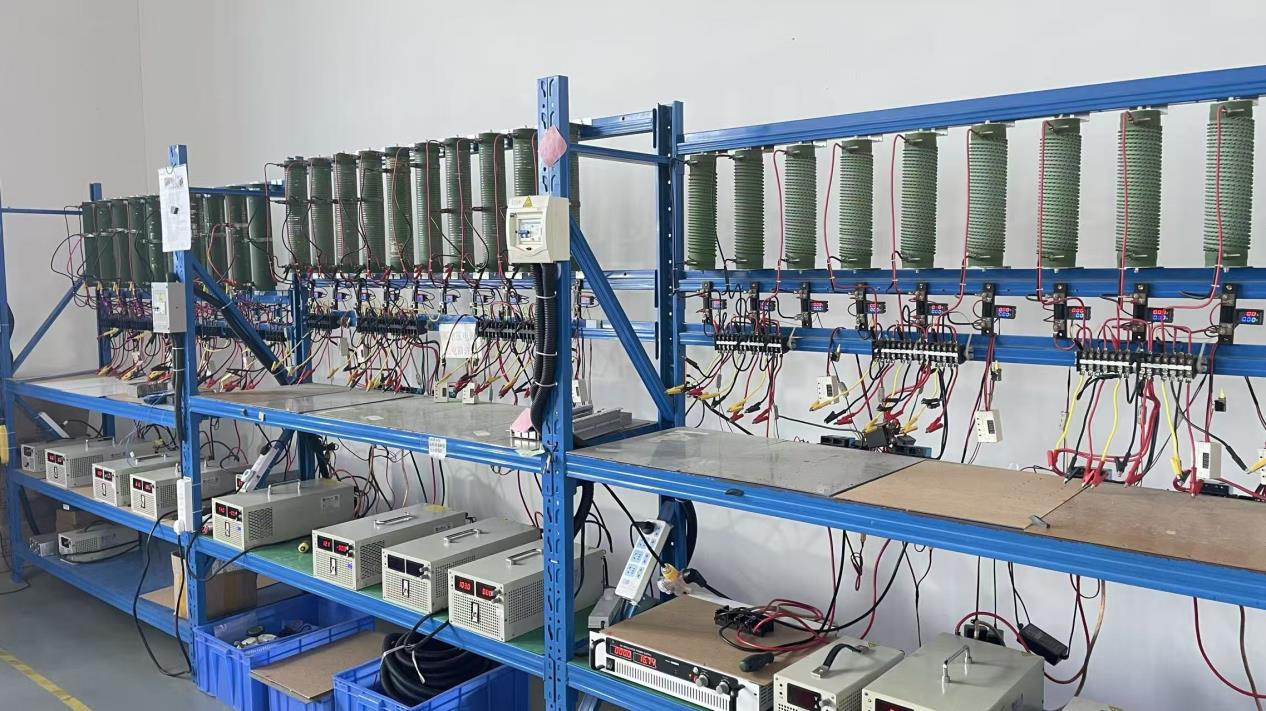 Burn-In Test
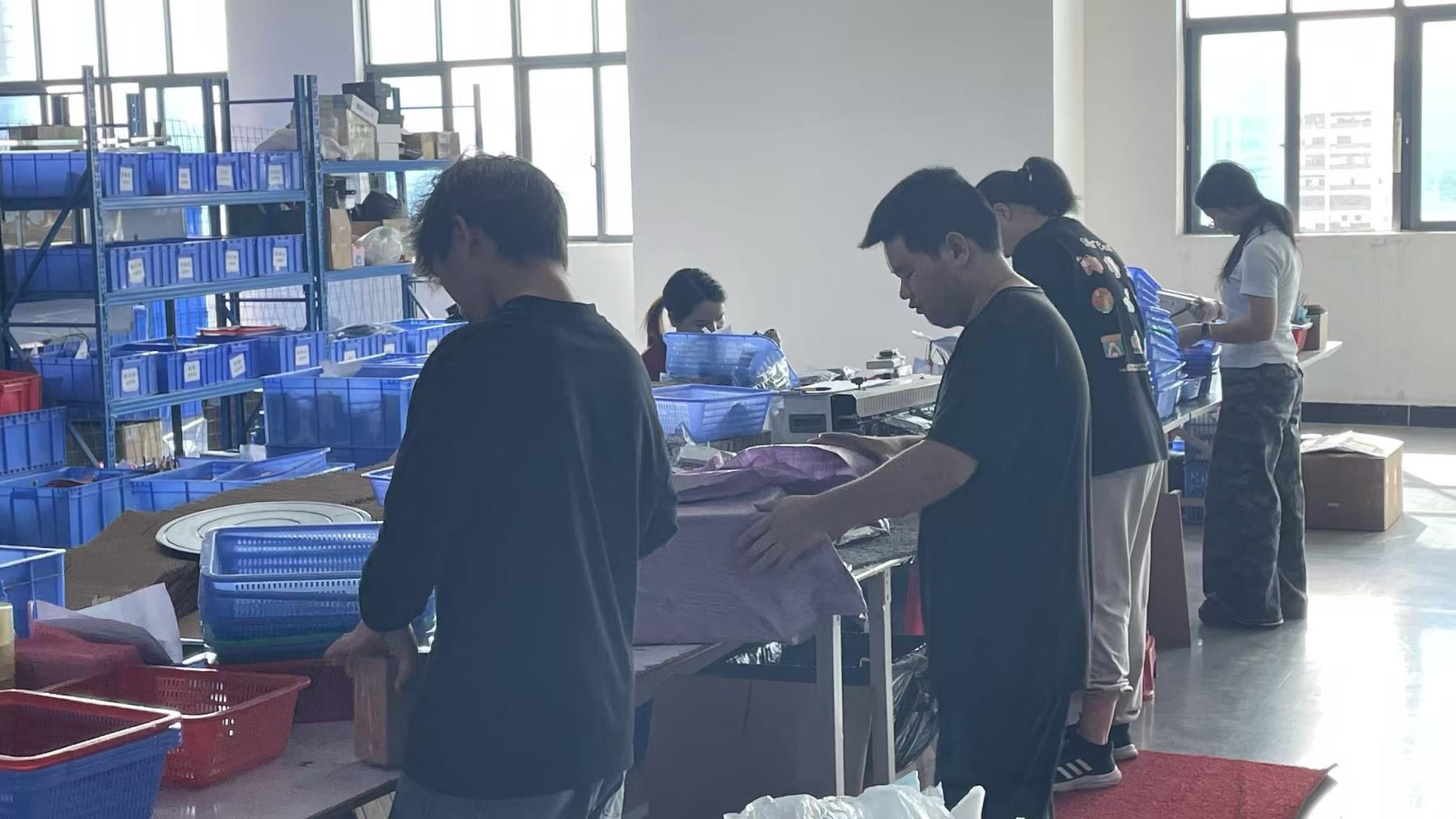 Packaging
Precision Machinery & Automated Production Equipment
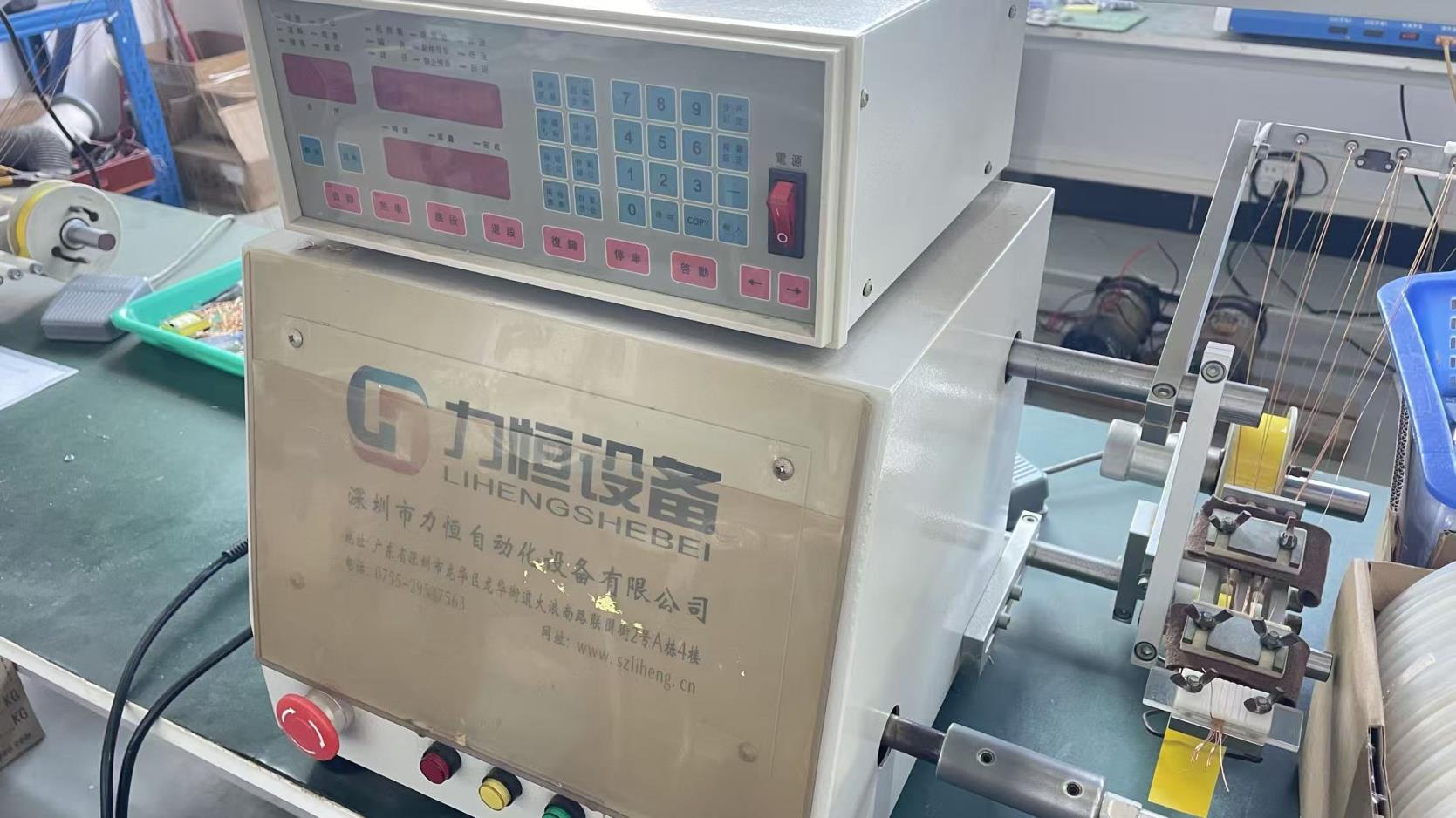 Winding Machine
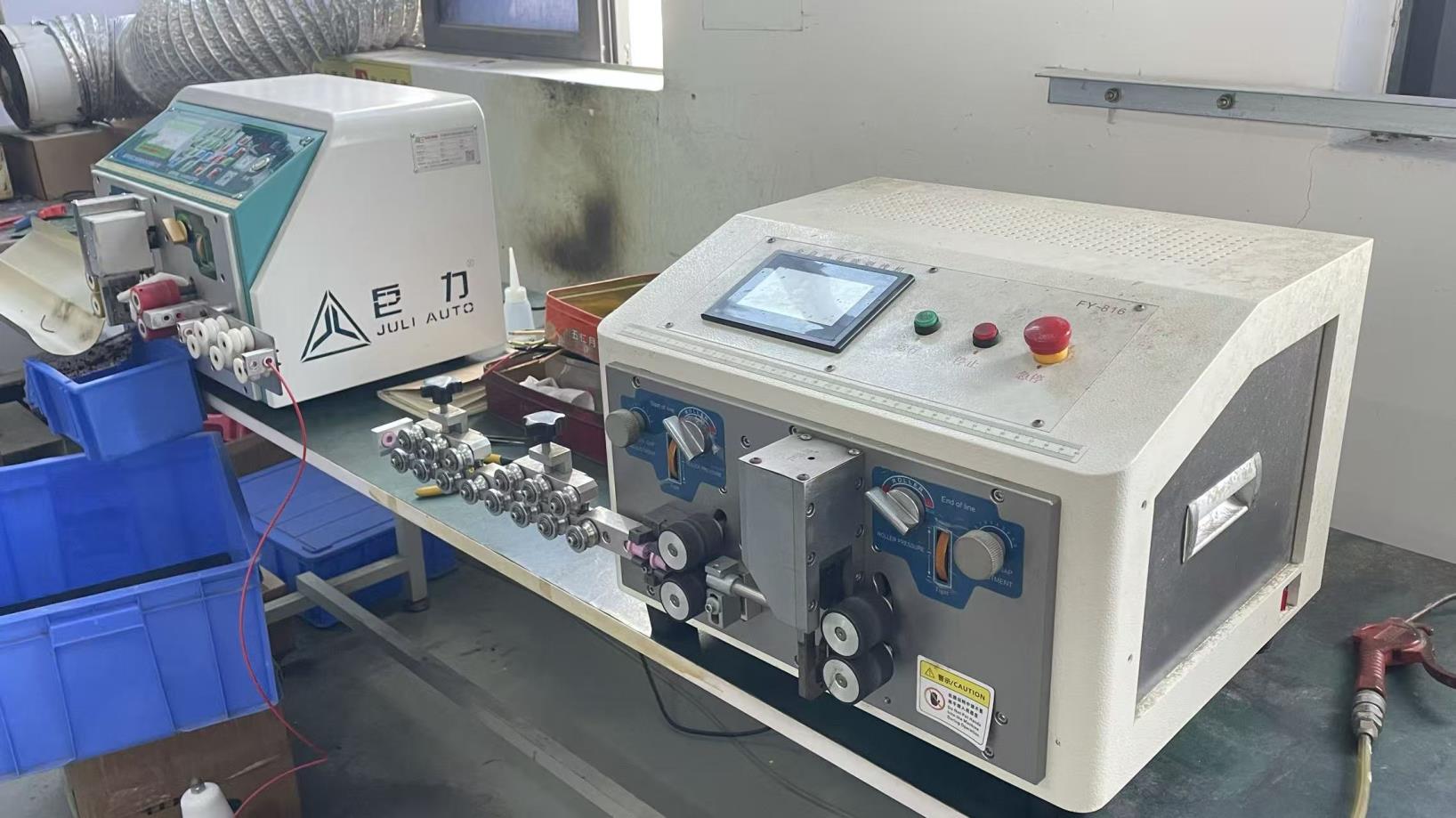 Wire Cutting Machine
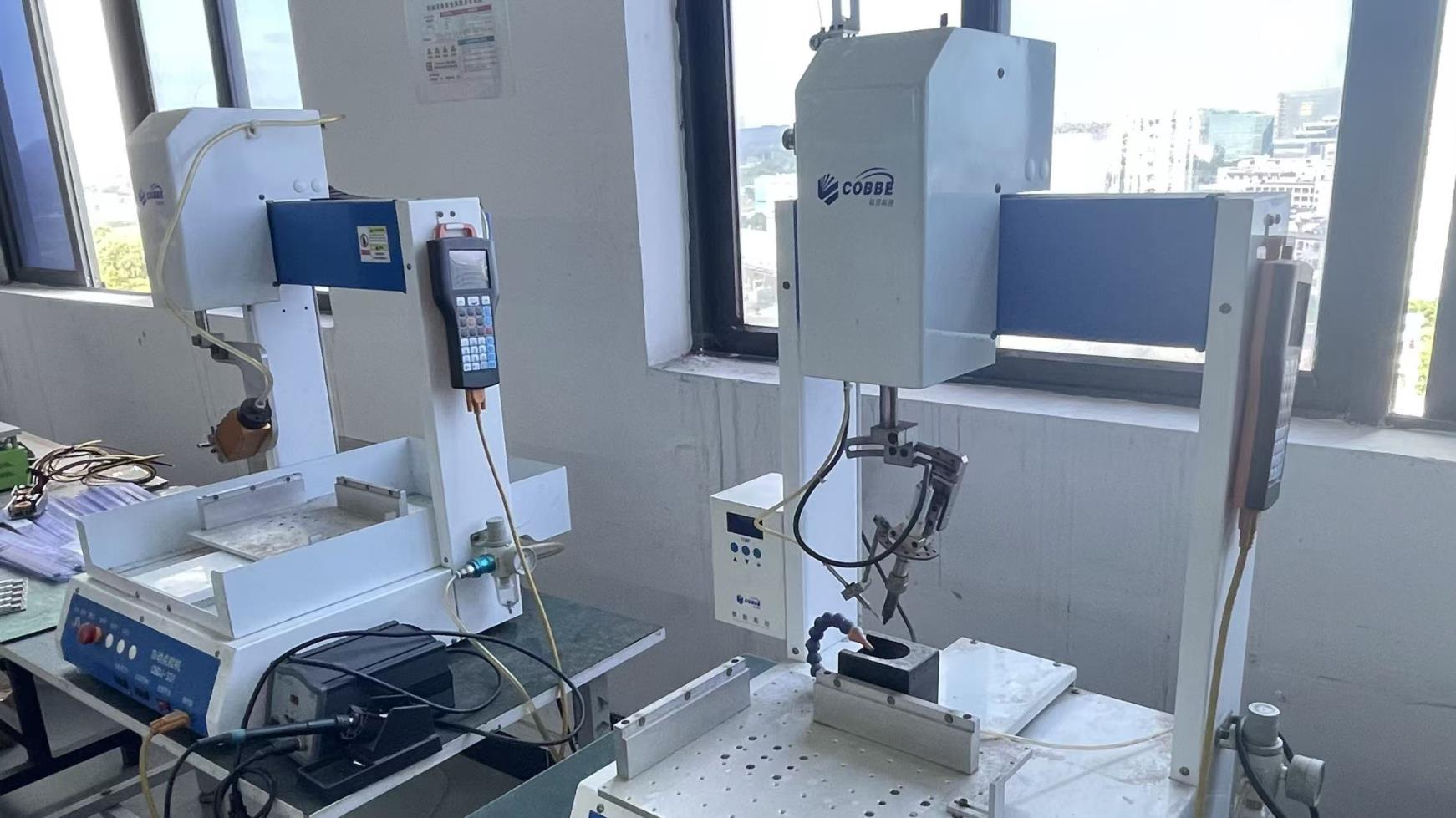 Automatic Soldering Machine
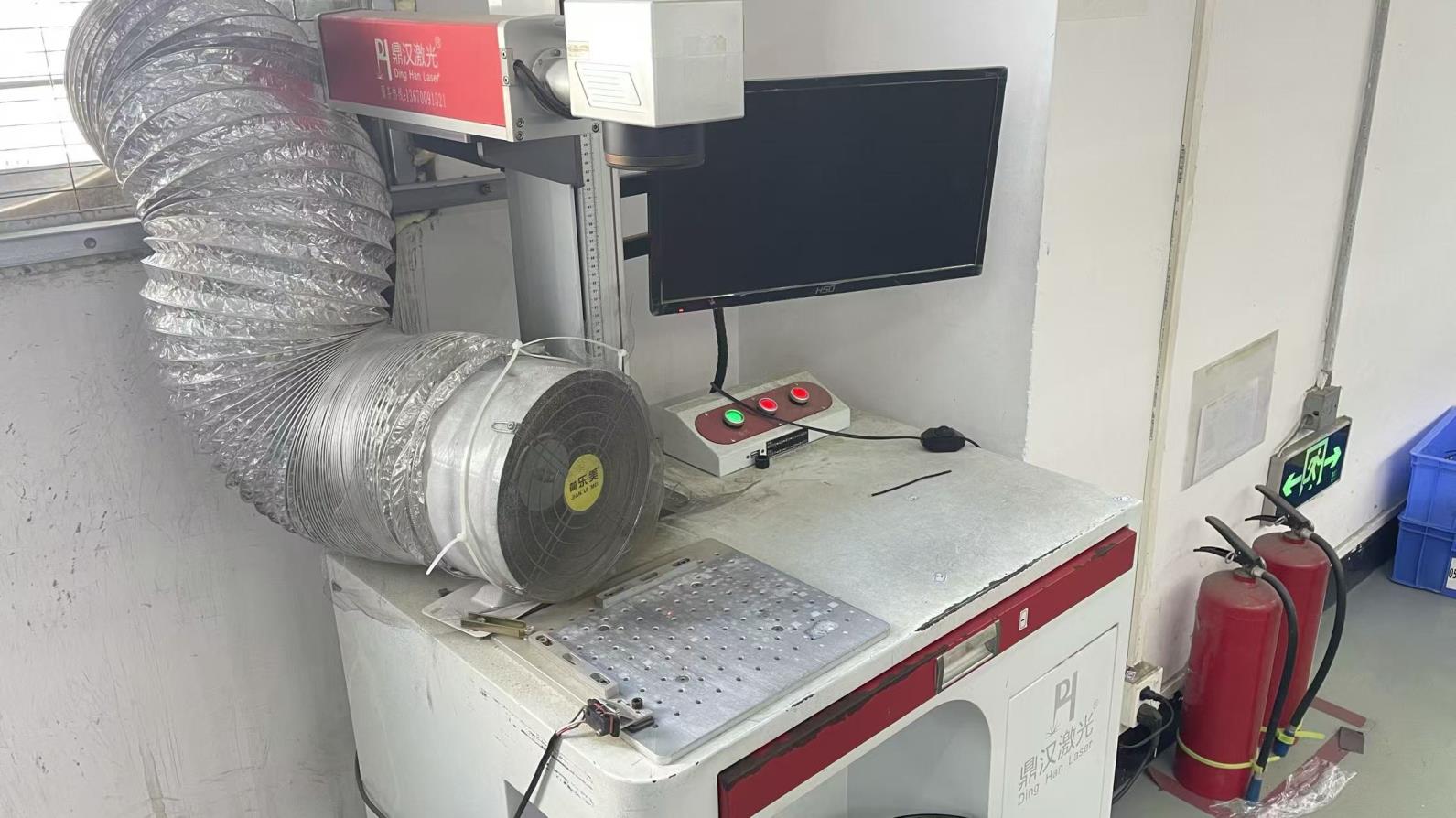 Laser Engraving Machine
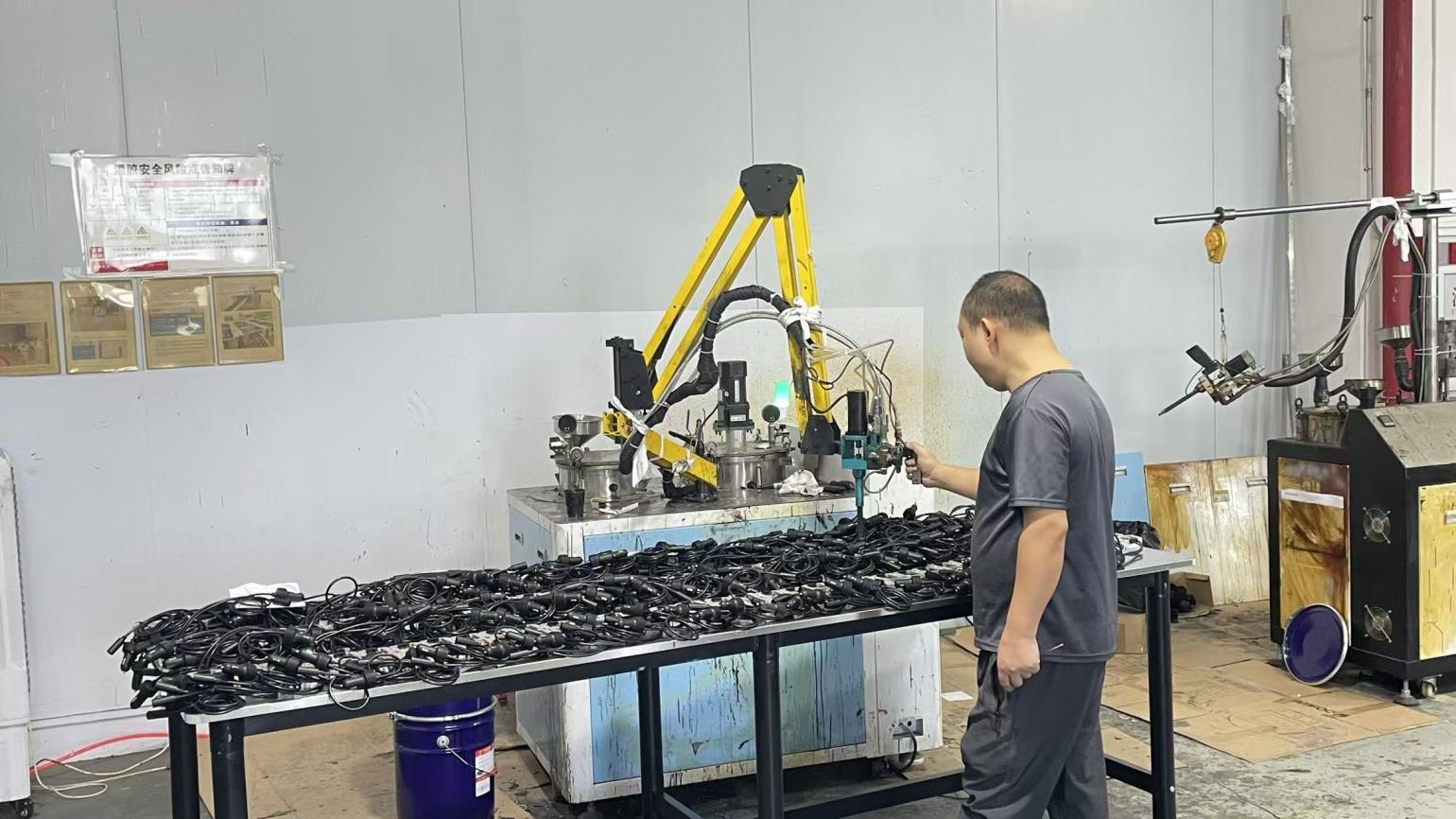 Canning machine
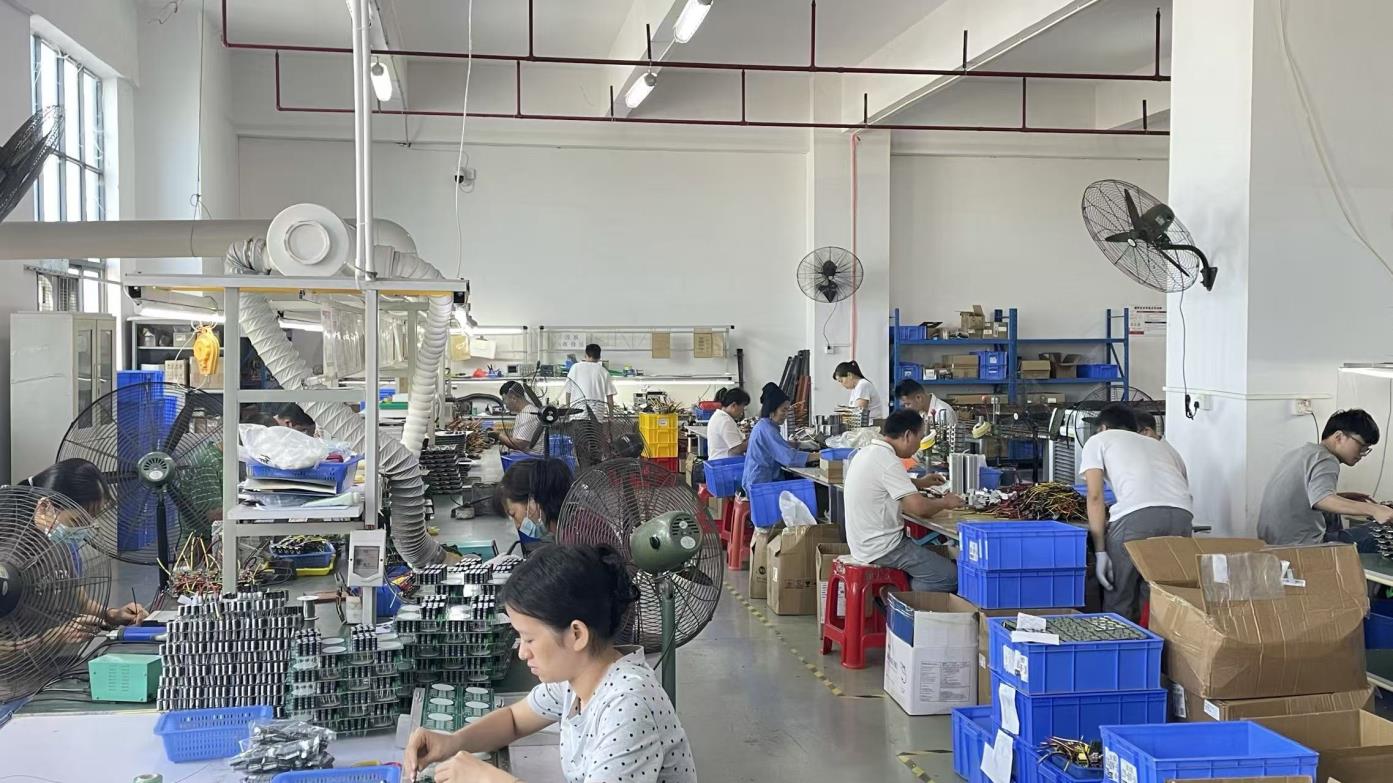 Assembly Line
Metrology & Technical Verification Laboratories
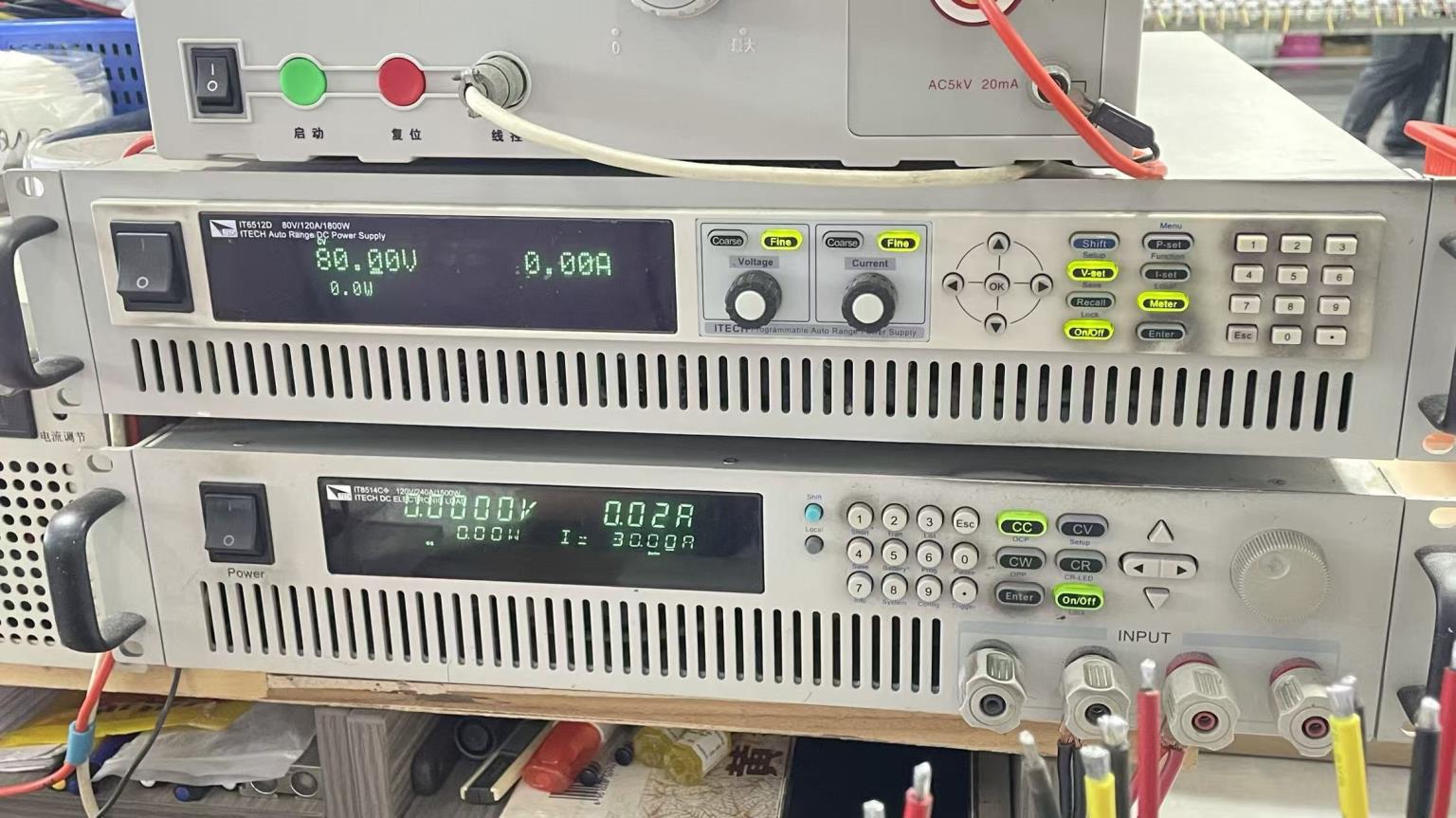 DC Power Supply Tester
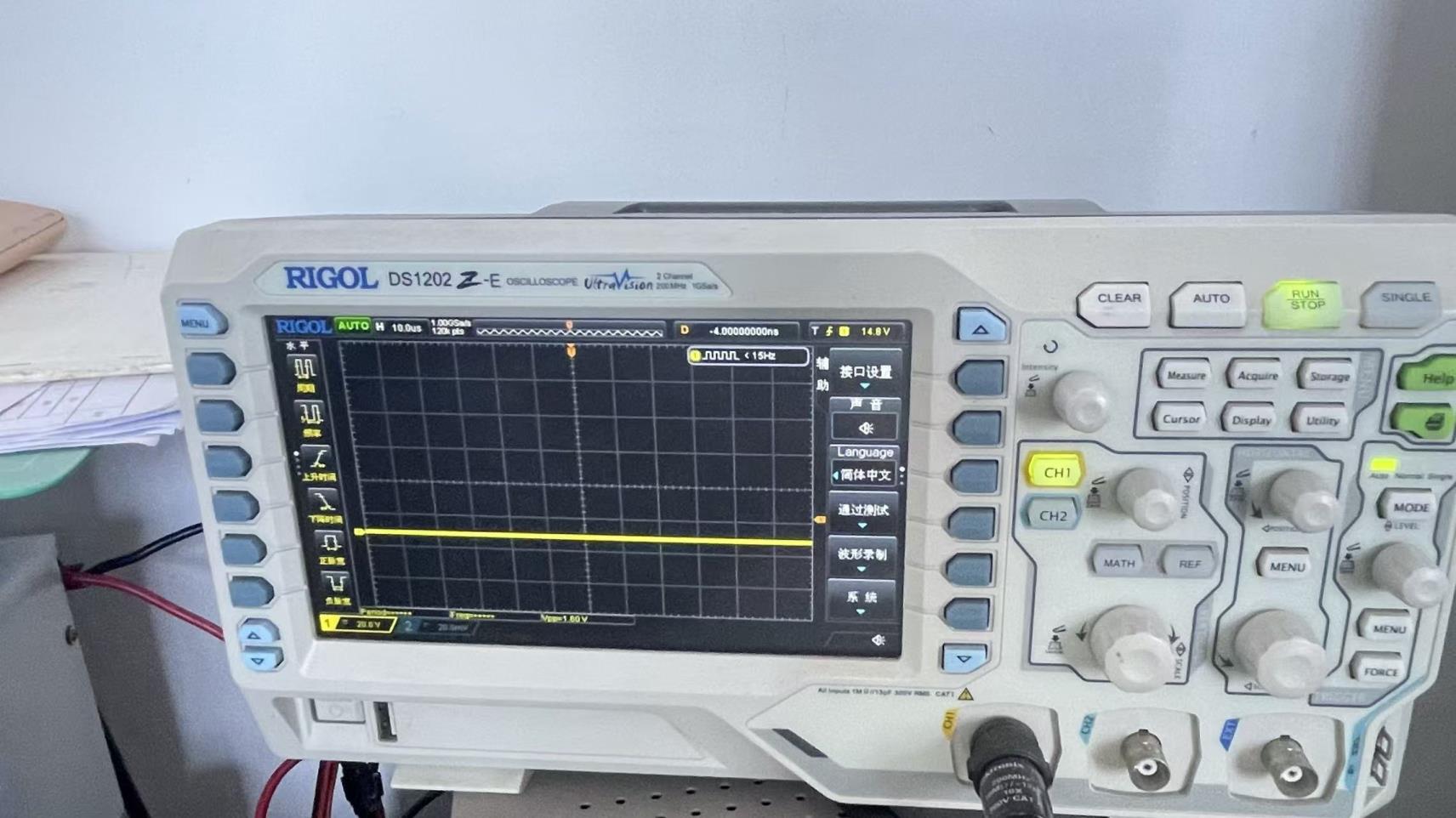 AC Withstand Voltage Tester
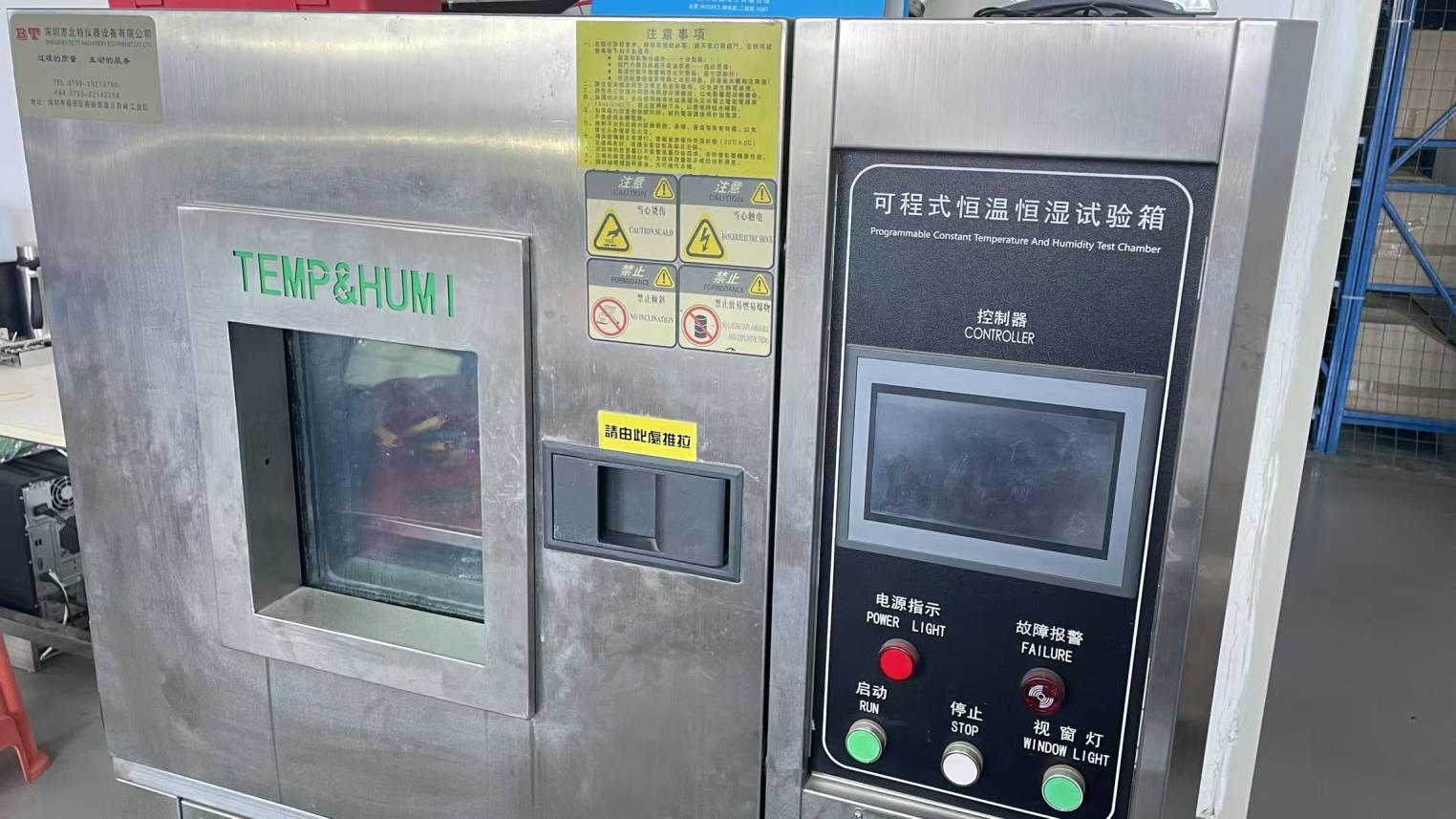 Constant temperature and humidity chamber
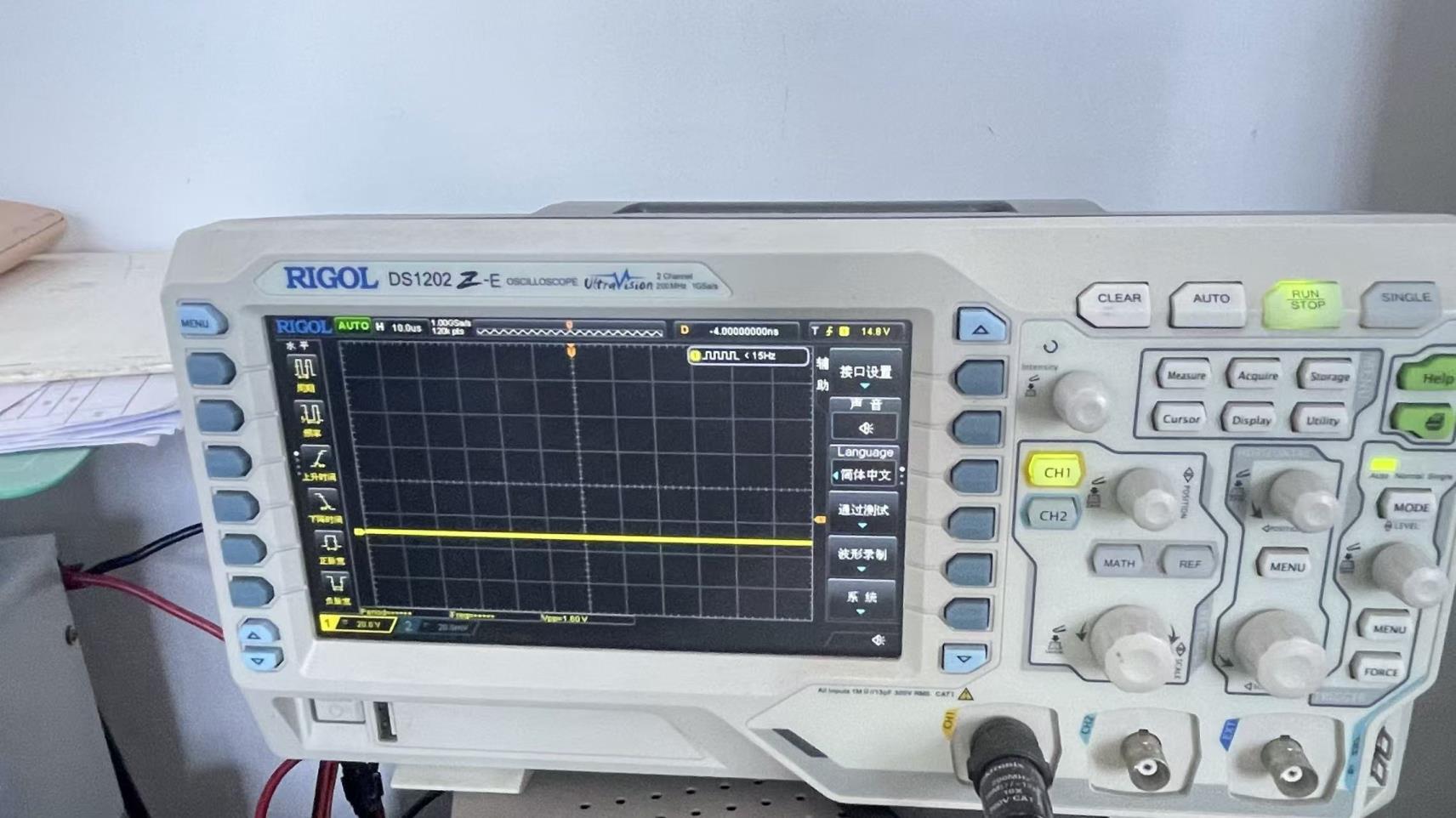 Optical microscope
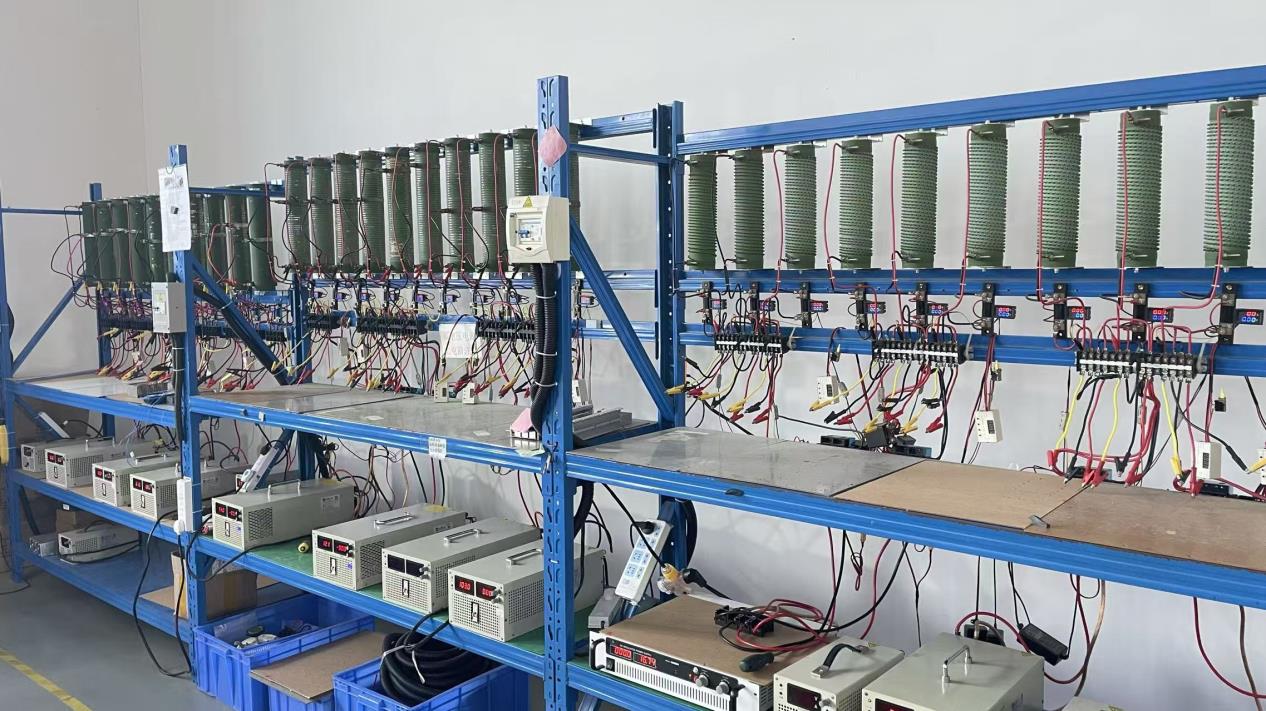 Aging test
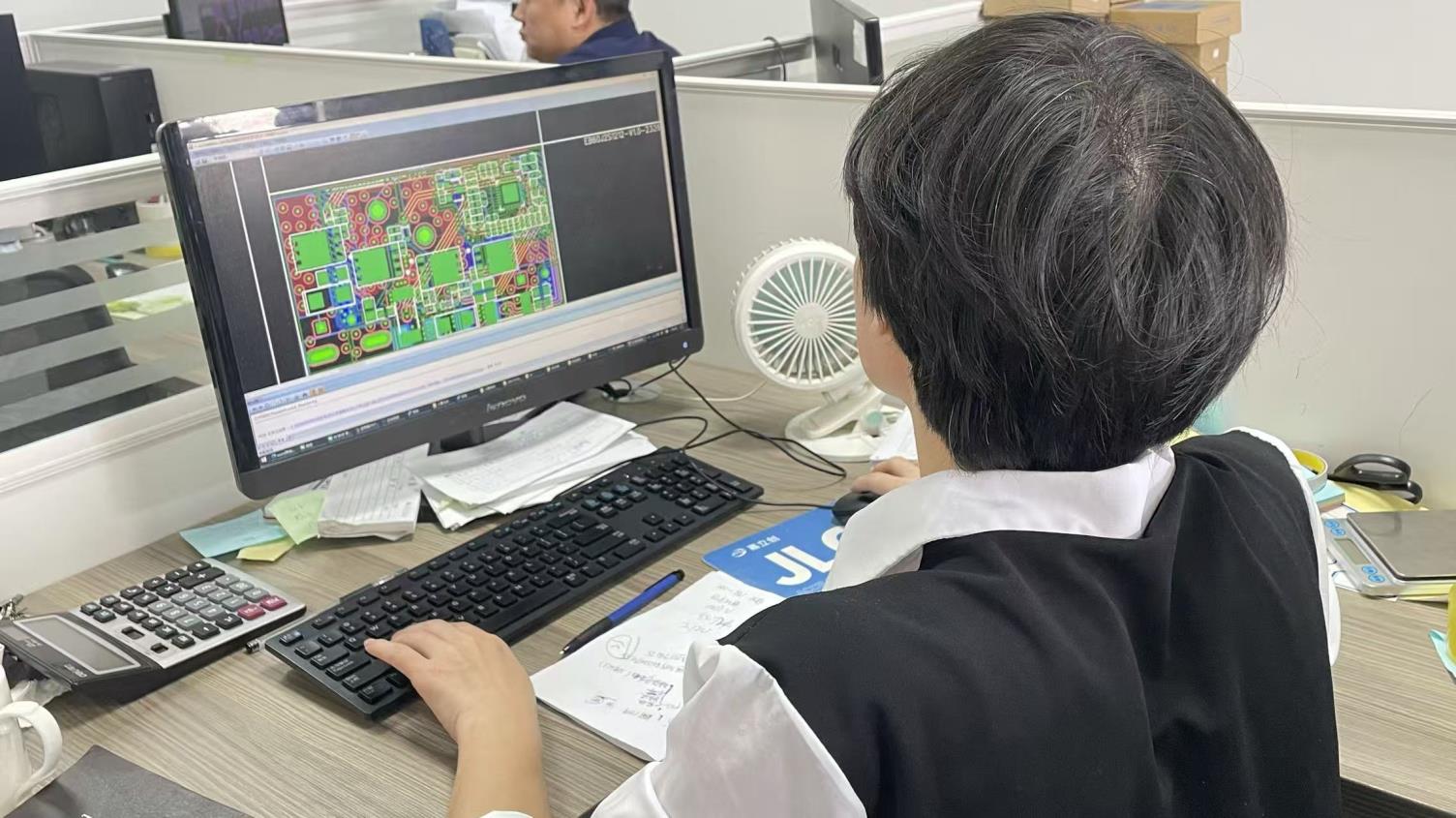 Design
4. Global Compliance, Certifications, and Custom Localization Support
Procuring industrial equipment on a global scale demands strict adherence to local electrical code specifications and safety directives. An SPD sourced for an industrial project in the European Union must conform to the EN/IEC 61643-11 standard, whereas installations in North America require certified compliance with UL 1449 4th Edition. Our engineering teams integrate these critical regional safety parameters during the design stage:
North America (UL Standards)
Compliance with UL 1449 and UL 497B requires rigorous Short Circuit Current Ratings (SCCR) and Intermediate Current testing, ensuring safety under extreme fault conditions.
European Union (CE/IEC)
Certification to IEC 61643-11 specifies strict limits on voltage protection levels (Up) and nominal discharge currents (In), securing integration into EU industrial grids.
Global Marine & Automotive
Mobile machinery applications, including boats, trucks, and marine units using our 75-150V to 12V DC-DC converters, must feature high vibration resistance and moisture proofing (IP67/IP68).
To assist global purchasing directors, we offer complete localized engineering documentation, detailed parameter configuration, and compliance testing reports. Our design and metrology labs use advanced technology, including AC withstand voltage testers, optical microscopes, and environmental chamber cycling, to assure clients that all hardware components will operate reliably in their target installation environment.
5. Future Outlook: Technological Advancements in Surge Protection & Power Controls
The electrical protection landscape is moving rapidly toward intelligent, communicative systems. Standard passive components, like Metal Oxide Varistors (MOVs) and Gas Discharge Tubes (GDTs), are being paired with microcontrollers to provide real-time diagnostic insight. Next-generation smart SPDs track leakage current, count transient events, and monitor internal thermal health, notifying system operators before an end-of-life failure occurs.
Simultaneously, the adoption of Wide Bandgap (WBG) semiconductor architectures, such as Silicon Carbide (SiC) and Gallium Nitride (GaN) components, is redefining power density in converters and inverters. These advanced materials operate at much higher frequencies and thermal limits. However, their lower gate margins mean they are more susceptible to overvoltage transients. Consequently, modern power systems must integrate custom, low-clamp, high-speed surge suppression directly on the PCB. Our R&D division is focused on designing this specialized silicon-level protection, ensuring our power electronics platforms remain compatible with the future of high-speed industrial electrical design.
Frequently Asked Questions: Technical Engineering & Sourcing Insight
Professional answers to common engineering questions regarding the application and integration of surge protection devices.
Industrial Power Supplies, Transformers & Inverters
Engineered to deliver clean, stable power, featuring built-in overvoltage, short circuit, and thermal protection for challenging operating conditions.