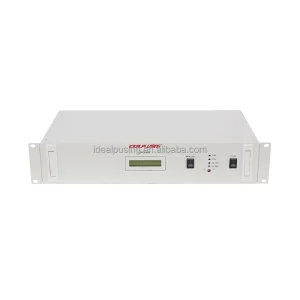
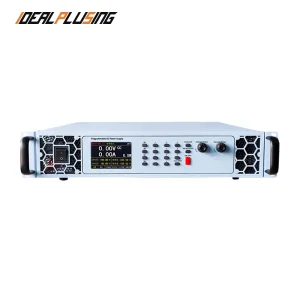
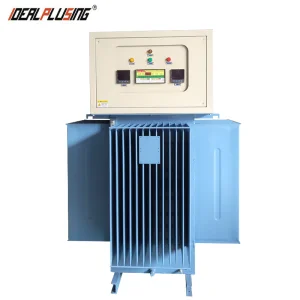
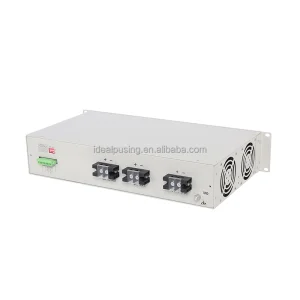
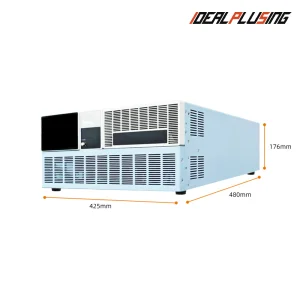
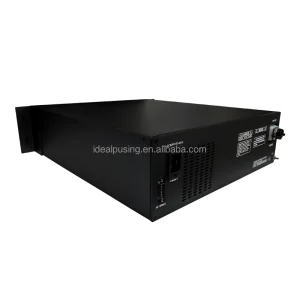
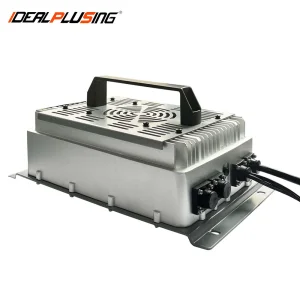
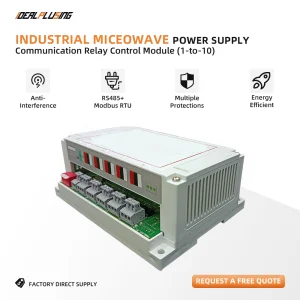
Innovative Industrial Power & Charging Solutions
Explore our premium segment of variable power supplies, heavy-duty battery chargers, high-frequency converters, and custom electronic regulators engineered for rigorous industrial demands.
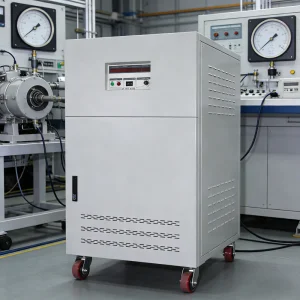


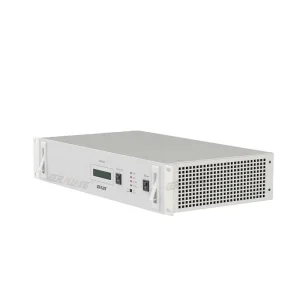
The Wireless Power Paradigm: Redefining Industrial & Commercial Efficiency
As industries aggressively pivot toward automation, dust-free environments, and contact-free systems, traditional mechanical charging connectors have become primary failure points. Our mission focuses on designing, manufacturing, and supplying industrial-grade OEM Wireless Charger Solutions that resolve thermal management hurdles, mechanical alignment variance, and extreme environment operation.
Modern factories depend on continuous Automated Guided Vehicles (AGVs), Autonomous Mobile Robots (AMRs), cleanrooms, and medical devices. Eliminating exposed contacts curtails mechanical wear, eliminates electrical arcing risk, and achieves full hermetic sealing (IP67/IP68). We harness high-frequency resonant magnetic inductive coupling to supply reliable energy over varied spatial gaps.
Macro-Industry OEM/ODM System Integration
Providing specialized architectures across vertical markets, bridging the gap between high-power transmission and strict safety barriers.
Robotics & Logistics Automation
Heavy-duty AMRs and AGVs require opportunist battery charging. Our wireless OEM systems deliver rapid energy transfer without physical docking, maintaining 24/7 warehouse uptime and lowering total cost of ownership (TCO).
Cleanrooms & ATEX Environments
Exposed charging contacts create electrical arcs and particulate degradation. In semiconductor labs or petrochemical facilities, our fully enclosed wireless charger designs eliminate spark hazards, assuring absolute cleanliness and functional safety.
Bio-Medical & Wet Environments
Medical carts and sub-surface monitors require rigorous chemical washdowns. Eliminating physical pins and ports allows for completely sealed housings that withstand repeated sterilization and wet conditions without ingress risks.
Deep Technical Architecture & Electromagnetic Topologies
To establish true Information Gain, we explore the core electromagnetic and power conversion engineering that drives our custom wireless charging designs. High-power transfer efficiency depends on the balance between coil alignment, switching frequency selection, and closed-loop control communication.
1. LCC-LCC Compensation Network & Resonant Topologies
Unlike standard low-power Qi consumer chargers, industrial systems operating above 1kW rely on advanced compensation networks. We implement the LCC-LCC topology because it offers unique benefits:
- Load-Independent Current Transfer: Keeps the output current stable regardless of battery voltage changes (crucial for Li-ion and Lead-Acid charging states).
- Zero Voltage Switching (ZVS): Lowers switching losses in the primary inverter, allowing our designs to achieve overall efficiency margins between 90% and 95%.
- Reduced Voltage Stress on Coils: Balances voltage across component terminals, preventing insulation breakdown in the high-frequency transmitter.
2. Advanced Ferrite & Shielding Geometries
High-frequency magnetic fields can cause eddy current heating in surrounding metal chassis components. To prevent this, our systems utilize customized Manganese-Zinc (MnZn) ferrite plates with calculated thickness and layout configurations. This concentrates the magnetic flux between the transmitter and receiver coils while minimizing EMI emissions, helping clients pass stringent FCC Part 15/18 and CE compliance testing.
Core Power Capabilities & Parameter Limits
| Technology Segment | Voltage Input / Output Range | Current/Power Capability Range | Target Industrial Application |
|---|---|---|---|
| DC-DC Converters (Isolated/Non-Isolated) | 12 VDC to 1000 VDC | 1 kW to 200 kW | Heavy Vehicle Converters, Hybrid Drivetrains, Bus Systems |
| AC-DC Power Supplies | Up to 200 kV Variable | 0 to 20k Amps | Electrostatic Sorters, Laboratory R&D, Capacitor Charging |
| DC-AC Inverters | 12 VDC to 2000 VDC Input | 100 W to 500 kW | Off-Grid Systems, Industrial Power Backups |
| AC-AC Frequency Converters | Single & 3-Phase (10 Hz - 500 Hz) | 1 kVA to 500 kVA | Aviation Ground Units, Military Equipment Calibration |
| AC-DC Ground Power Units | Standard Mains Input | 300 A to 50,000 A | Aerospace Testing, Heavy Ship-to-Shore Grid Simulation |
Who We Are & What We Do
Operating a high-capacity manufacturing plant in Guangzhou, China, we coordinate production across our primary factory and 20 specialized partners. We provide complete manufacturing services, from custom transformer winding to automated SMD assembly and compliance testing.
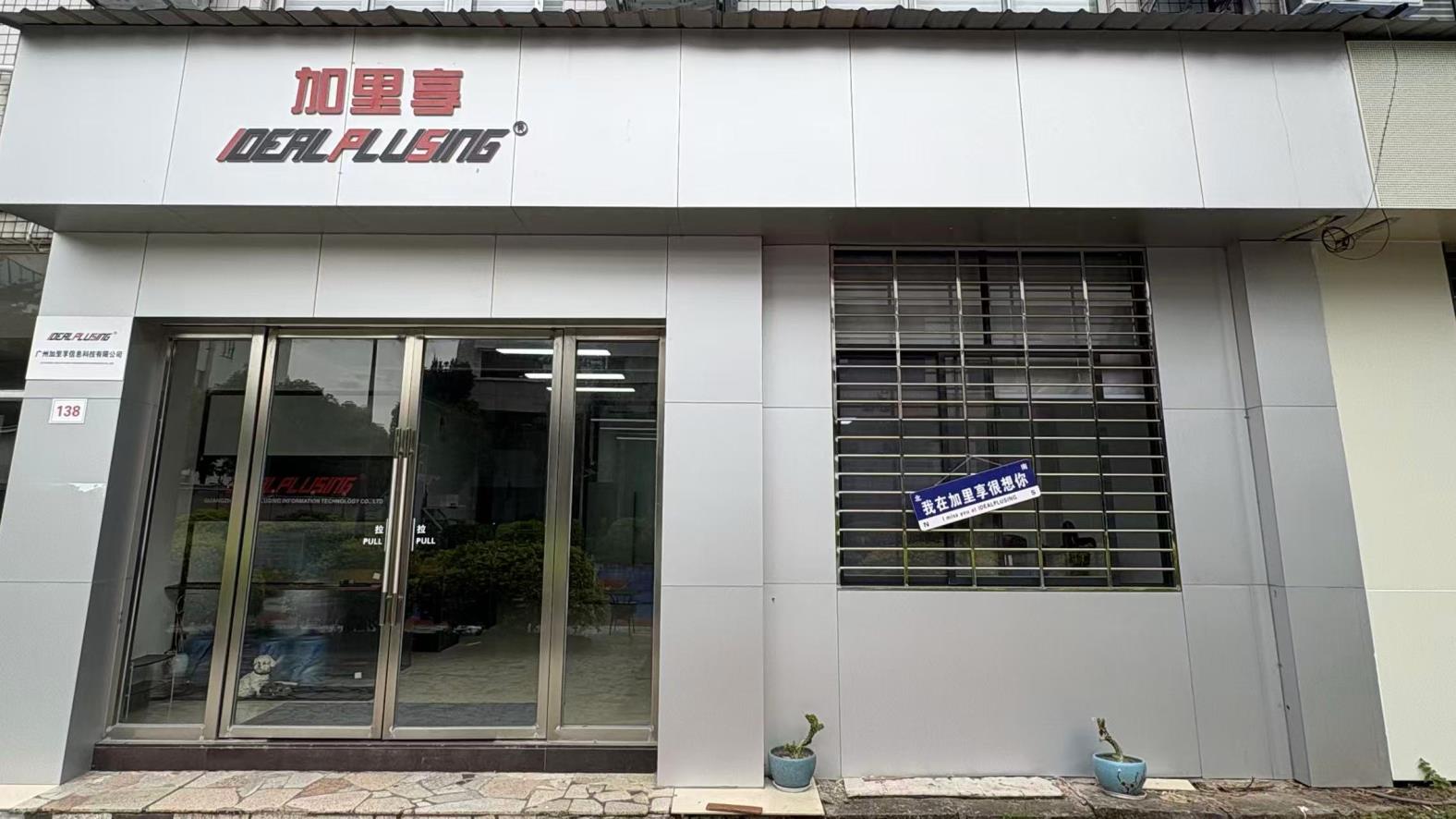
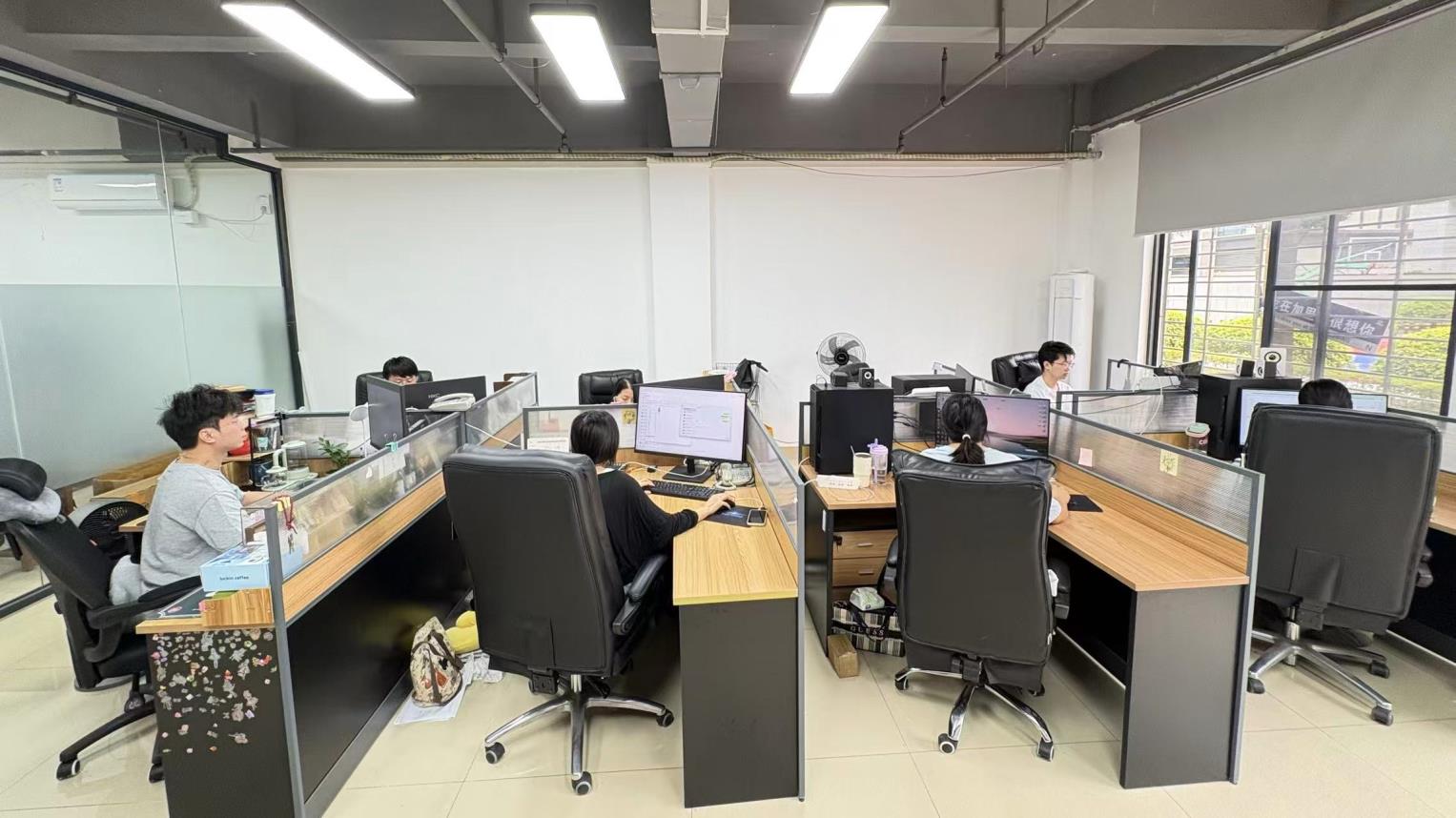


Advanced Manufacturing Step-by-Step Pipeline
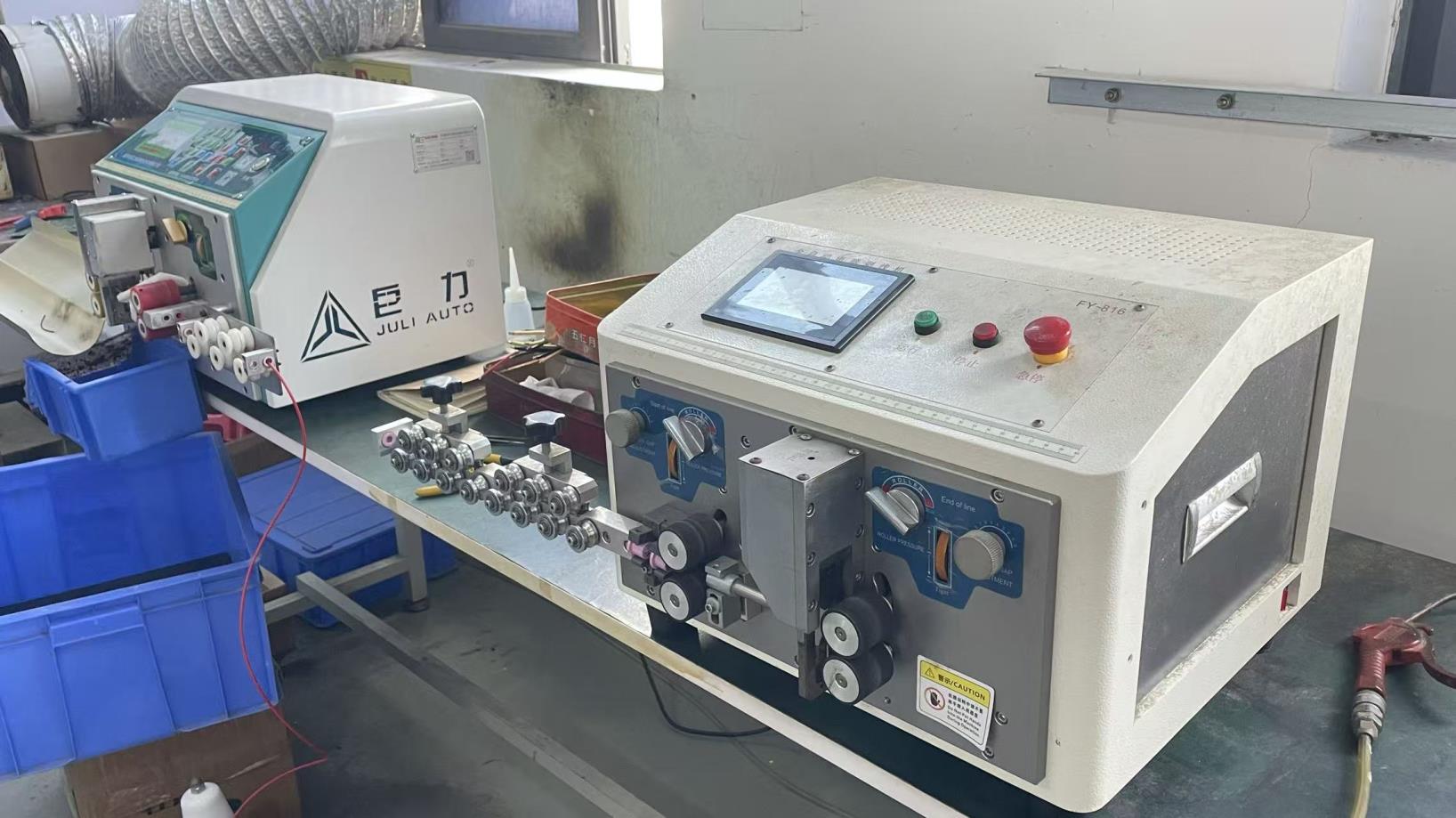
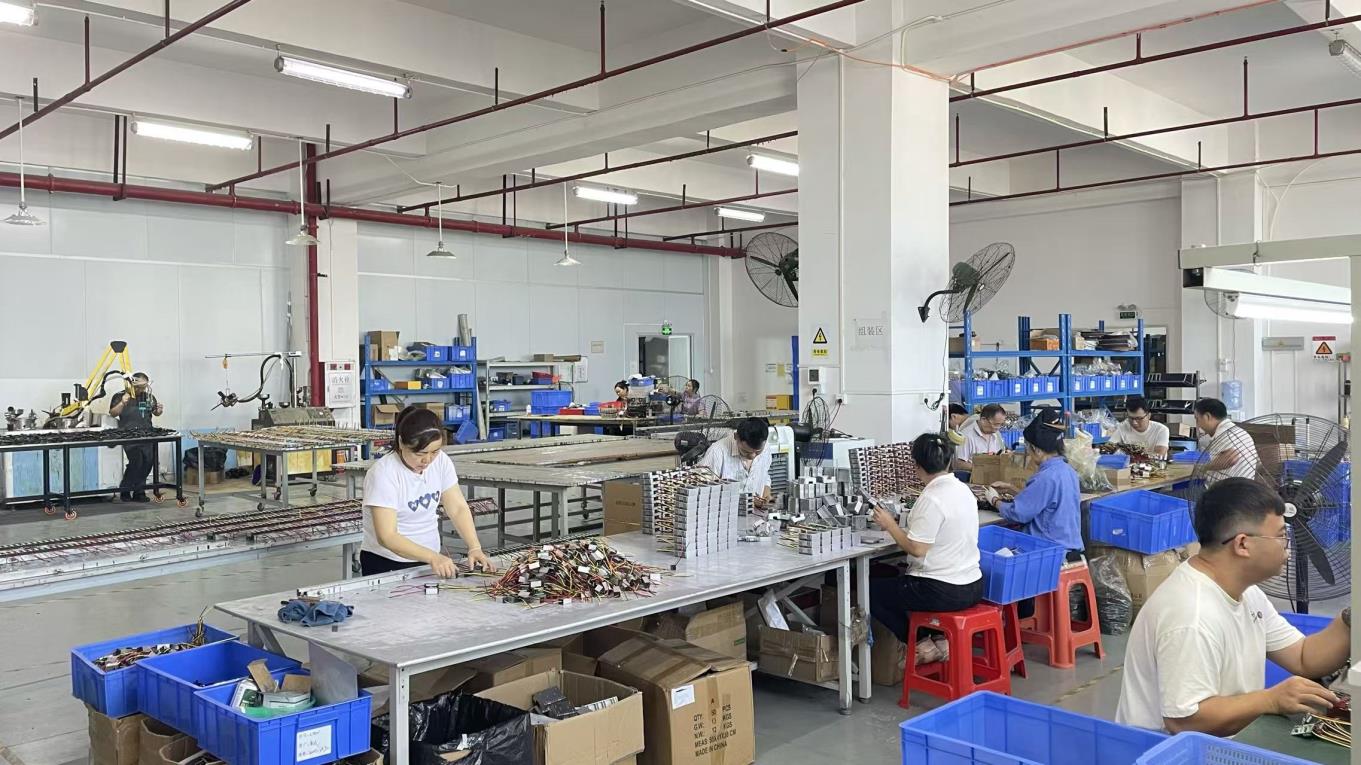
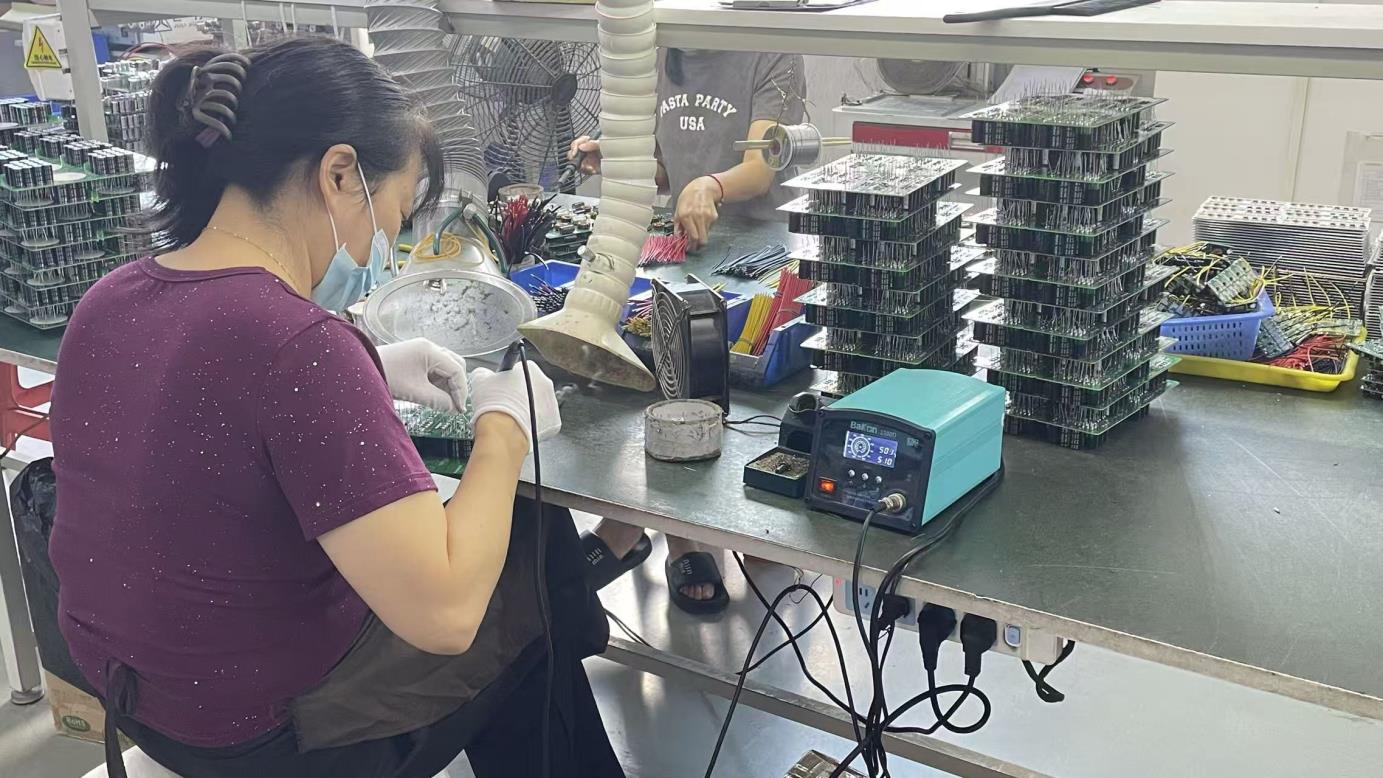
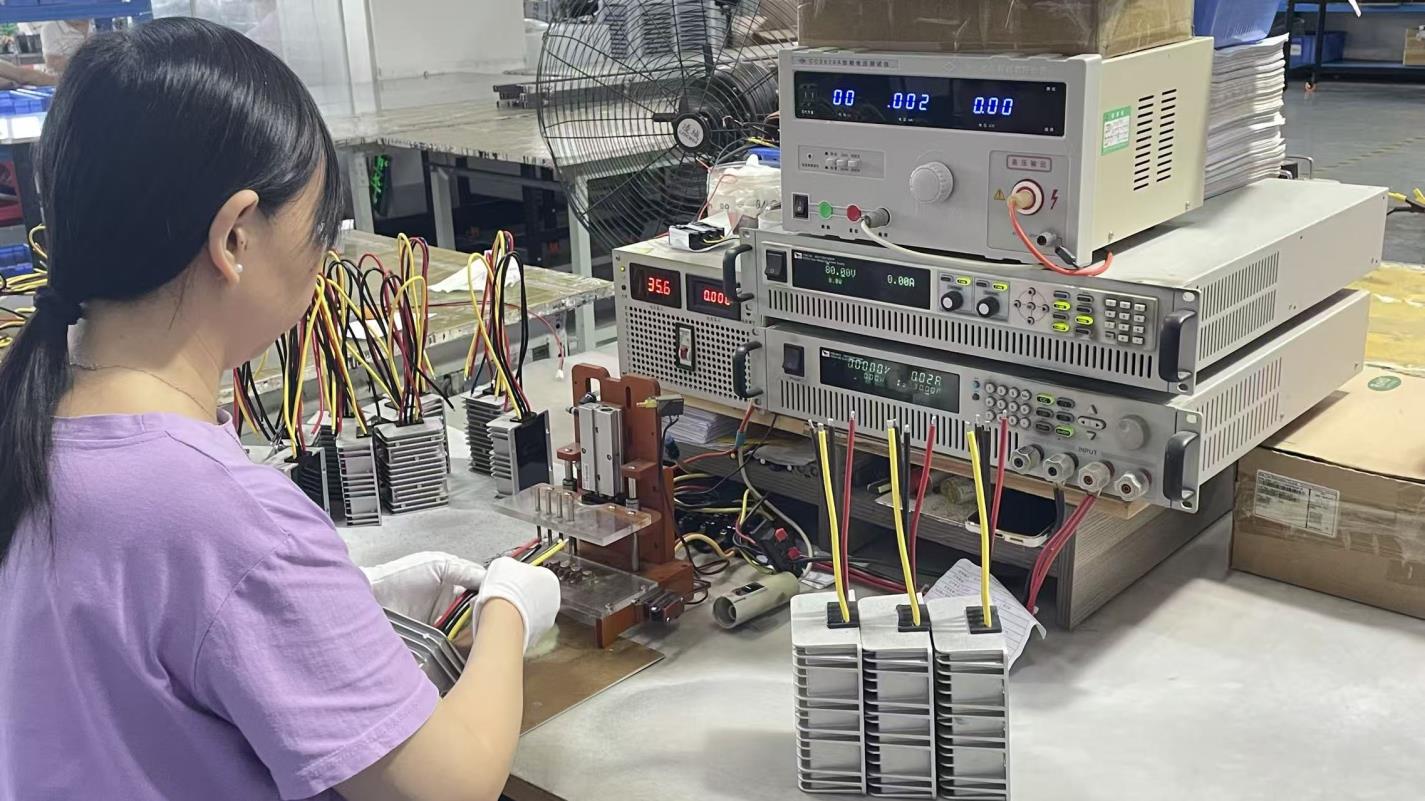
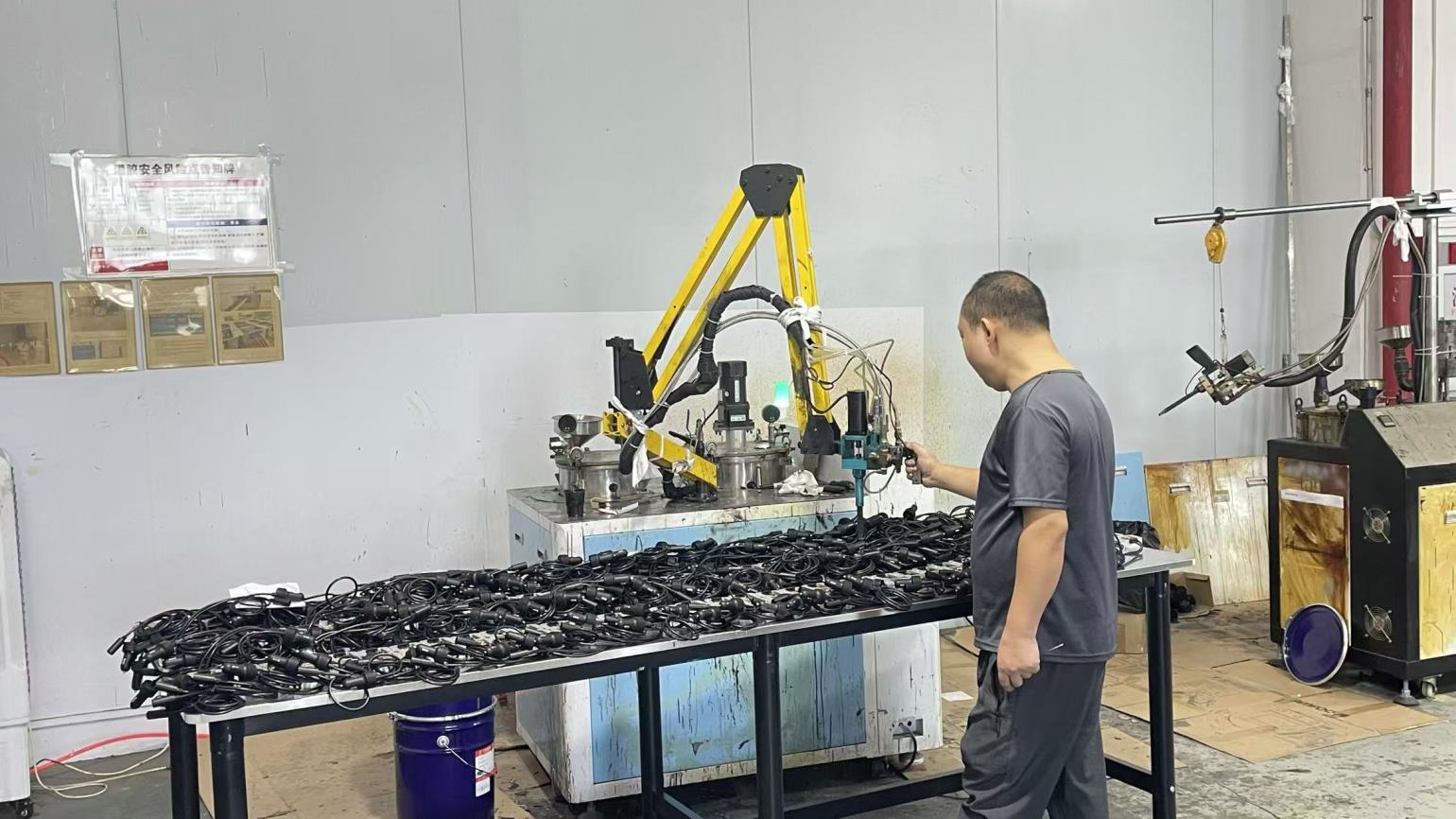
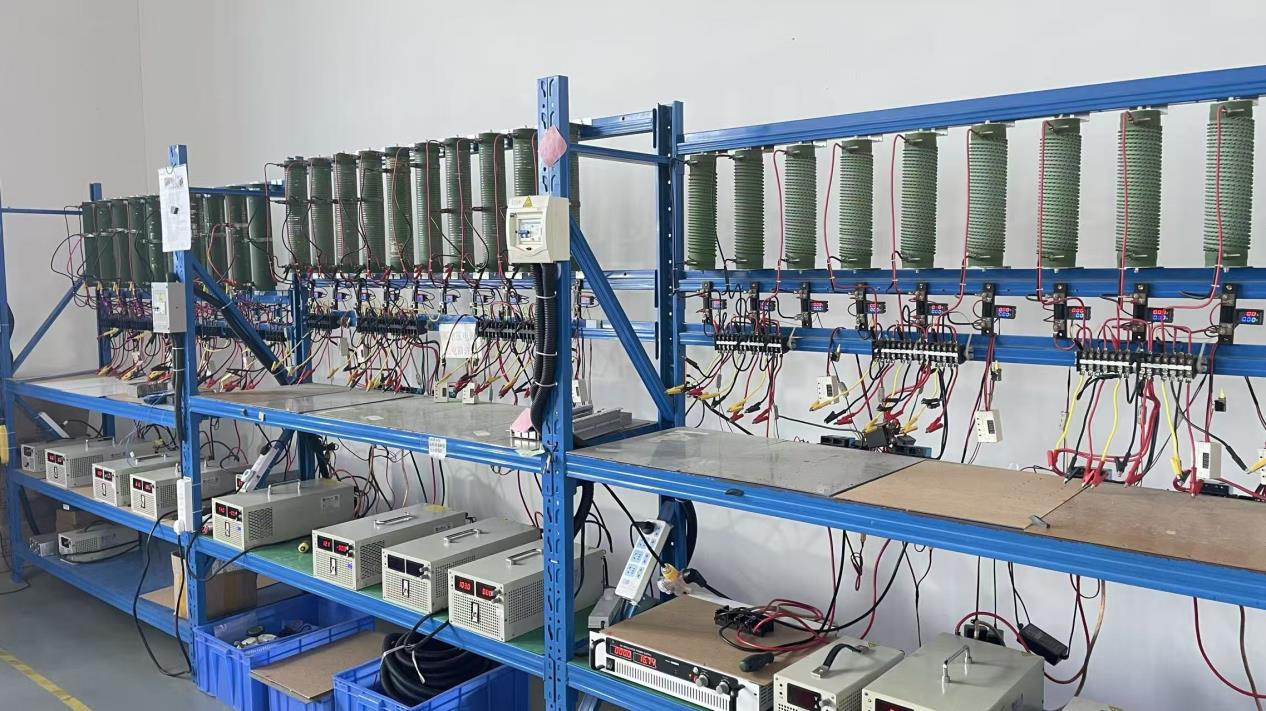

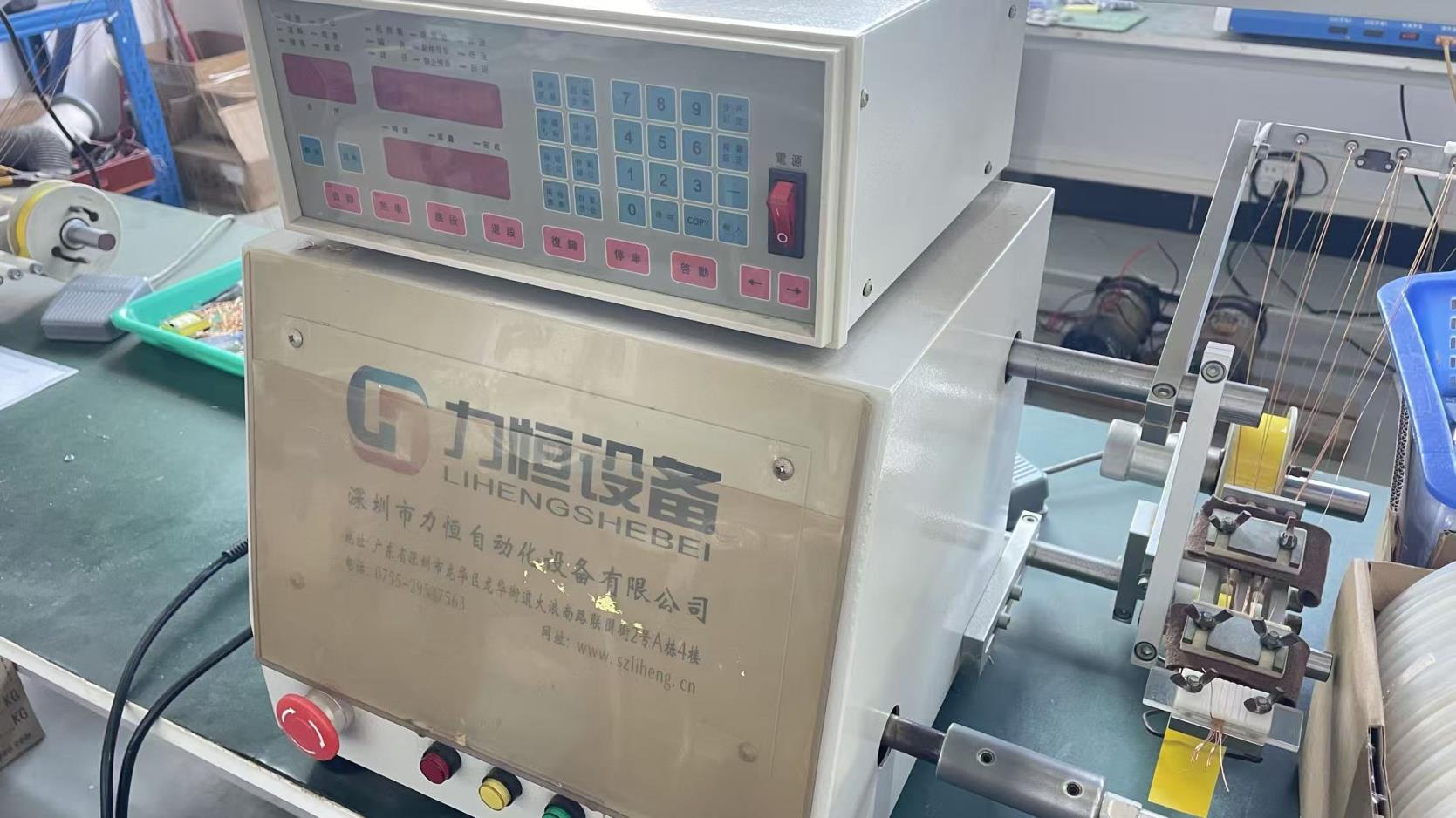
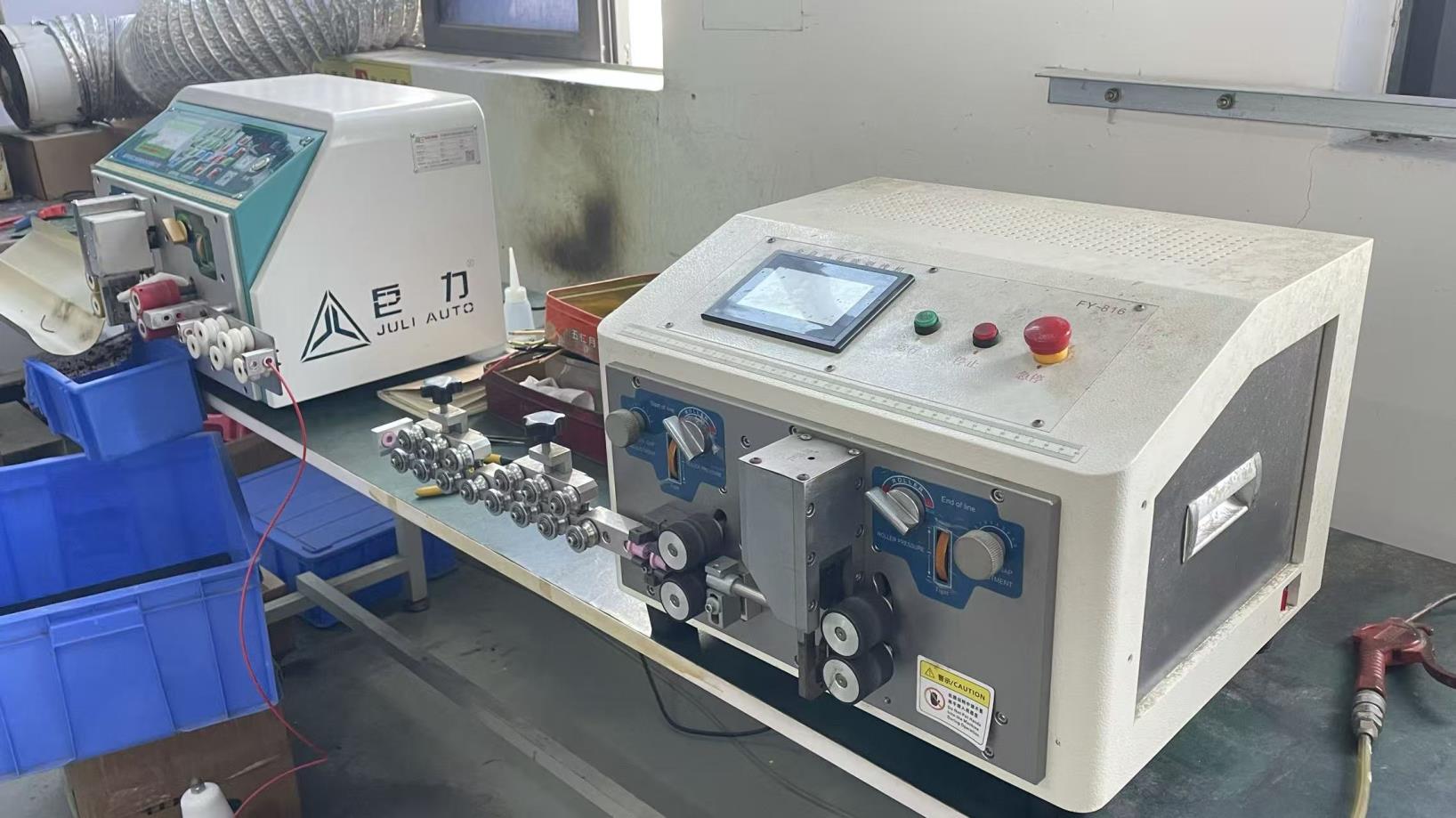
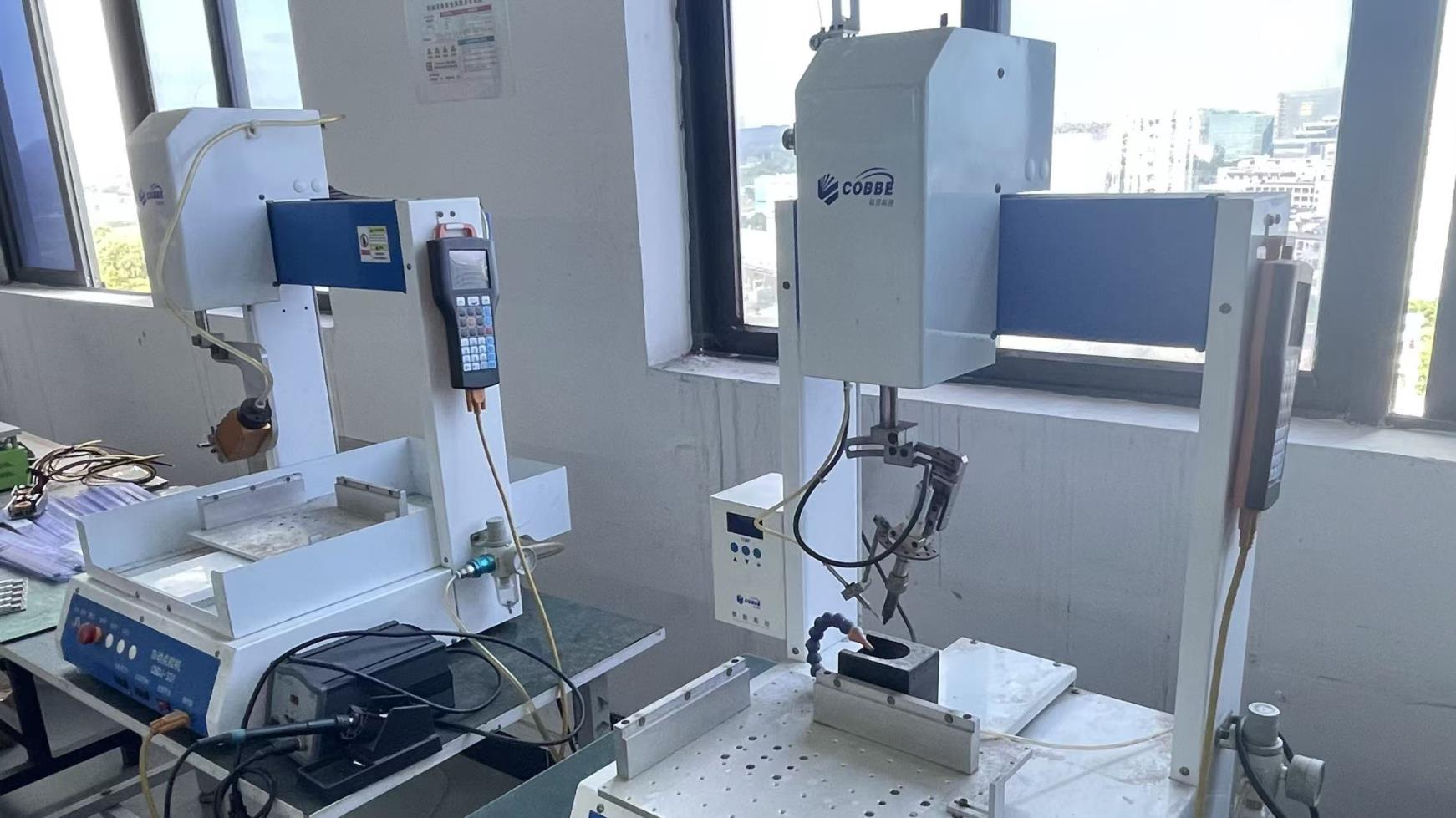
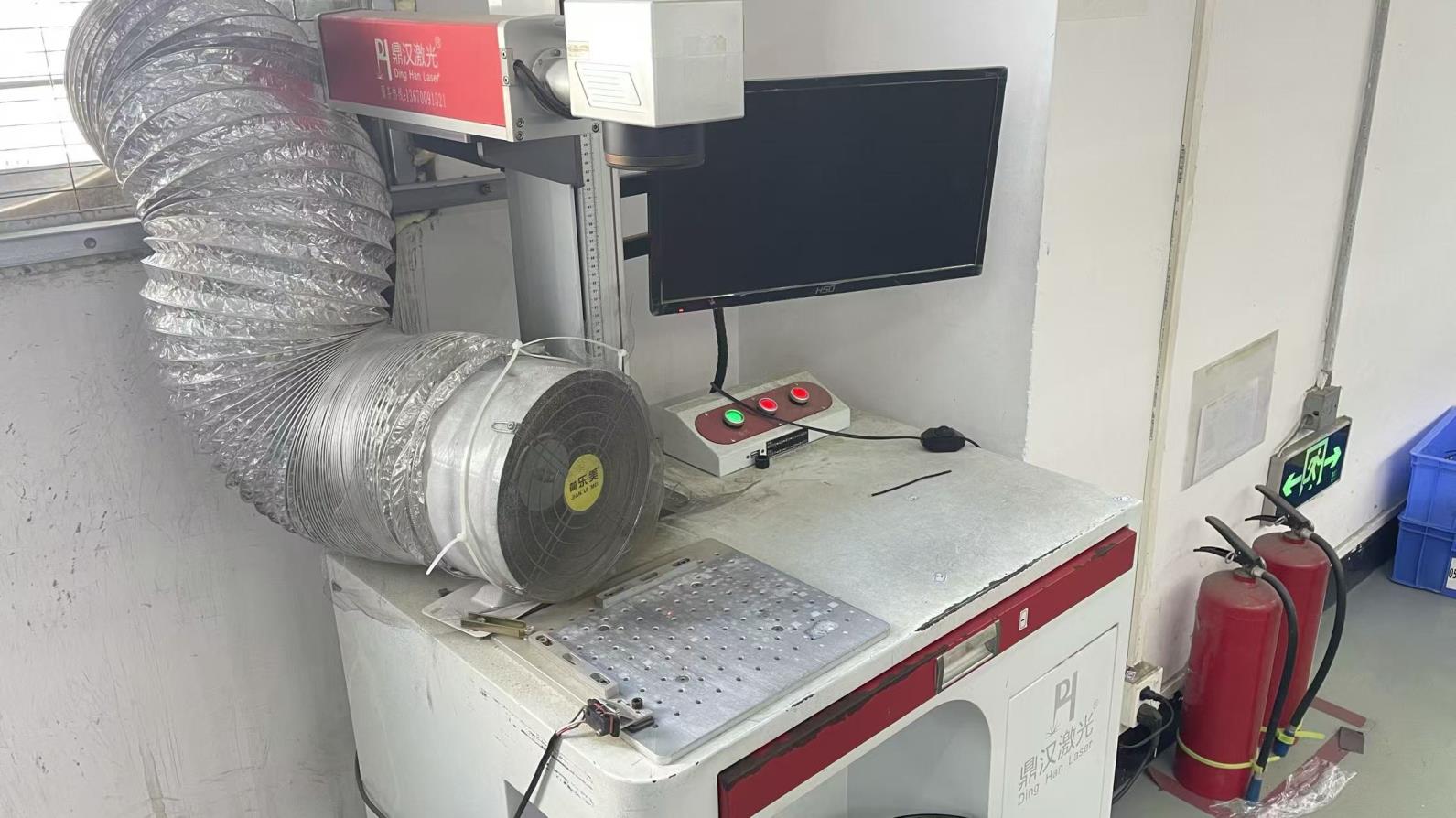
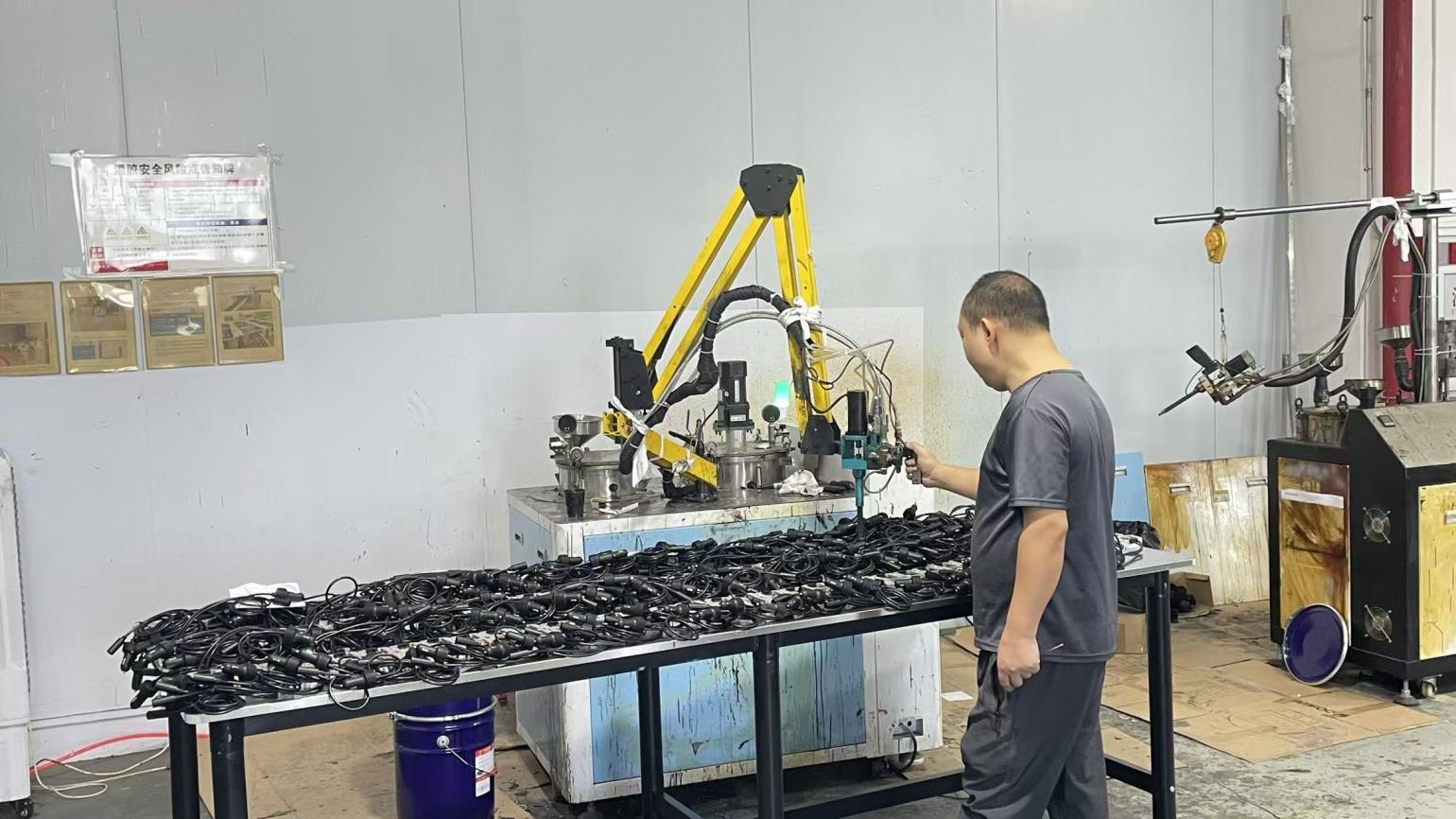
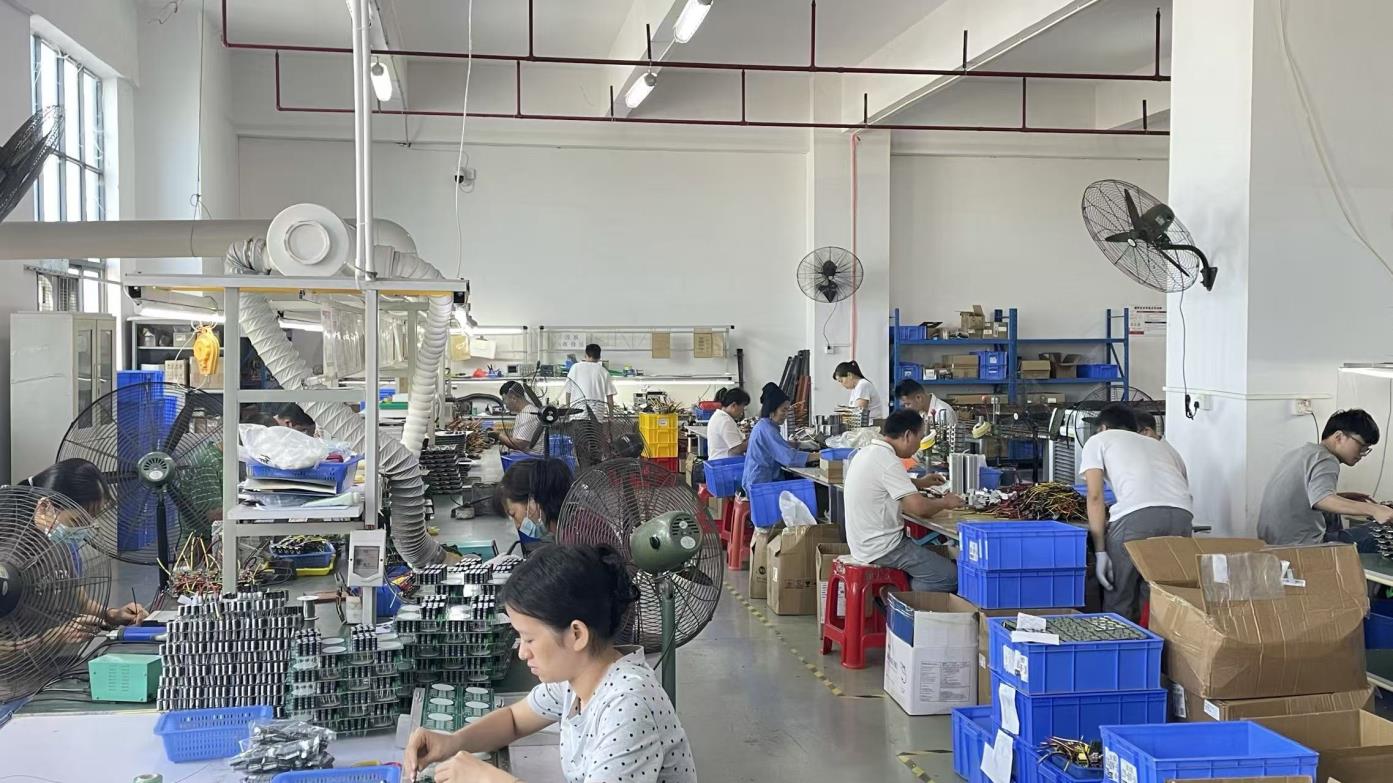
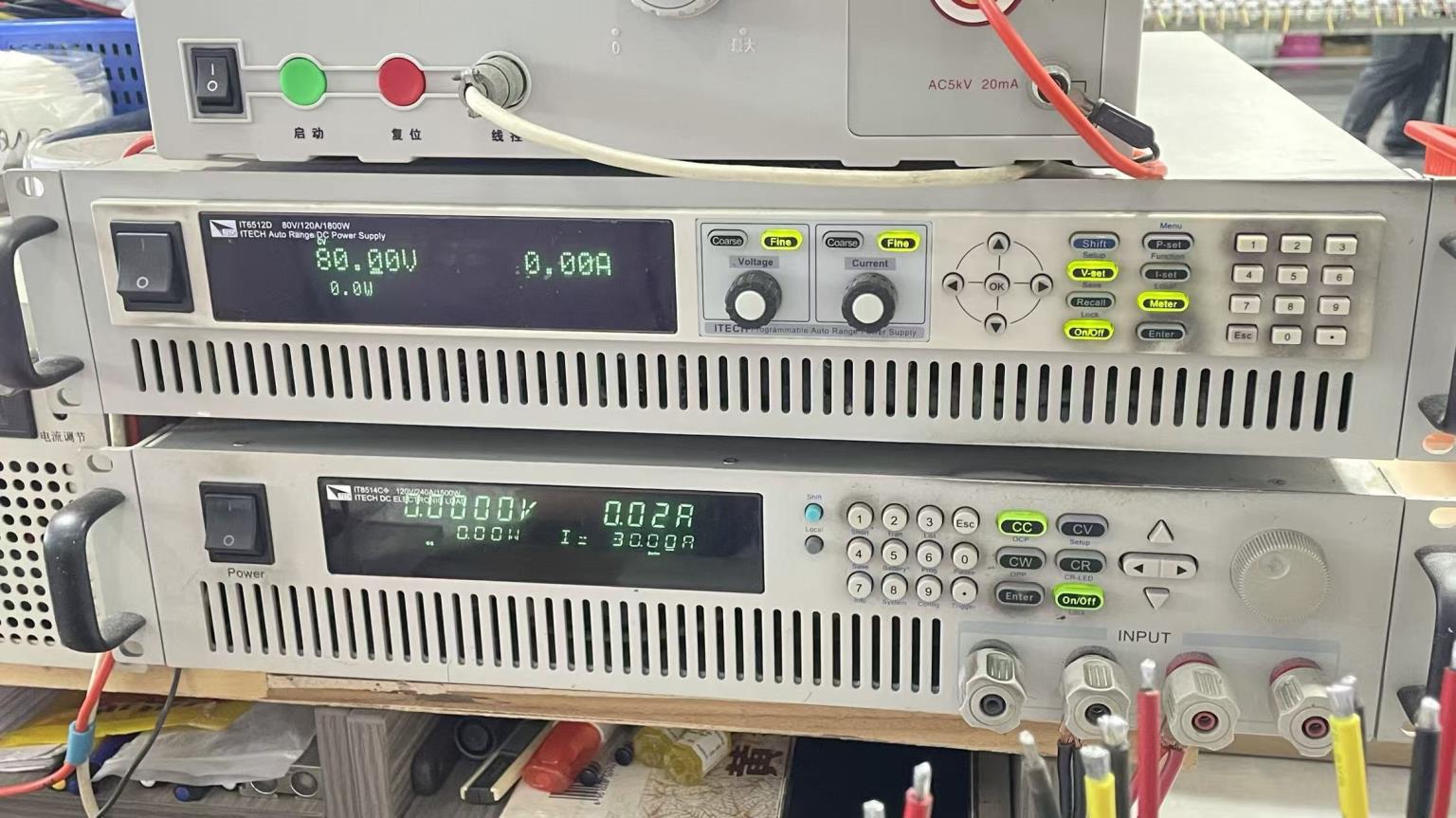
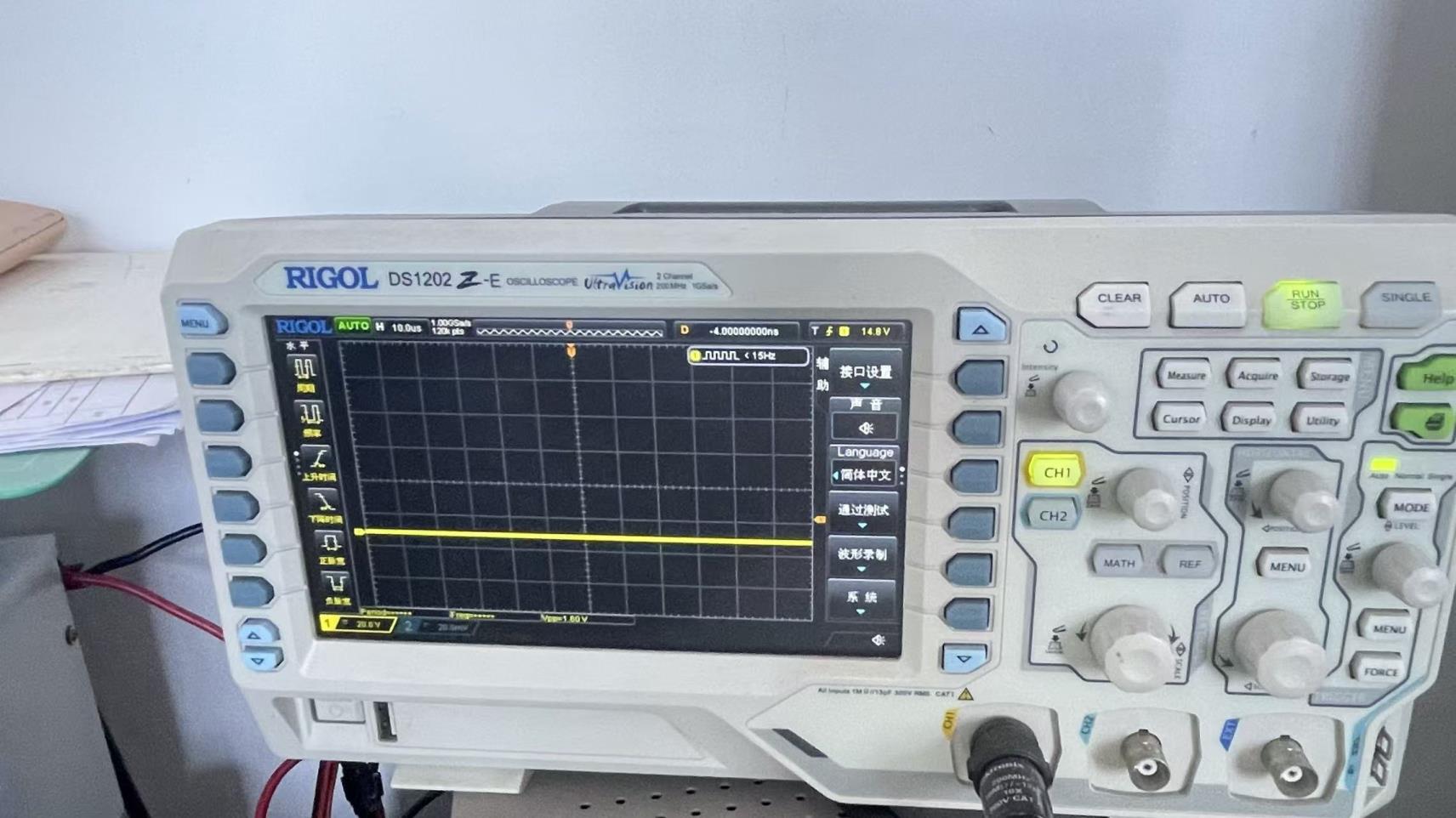
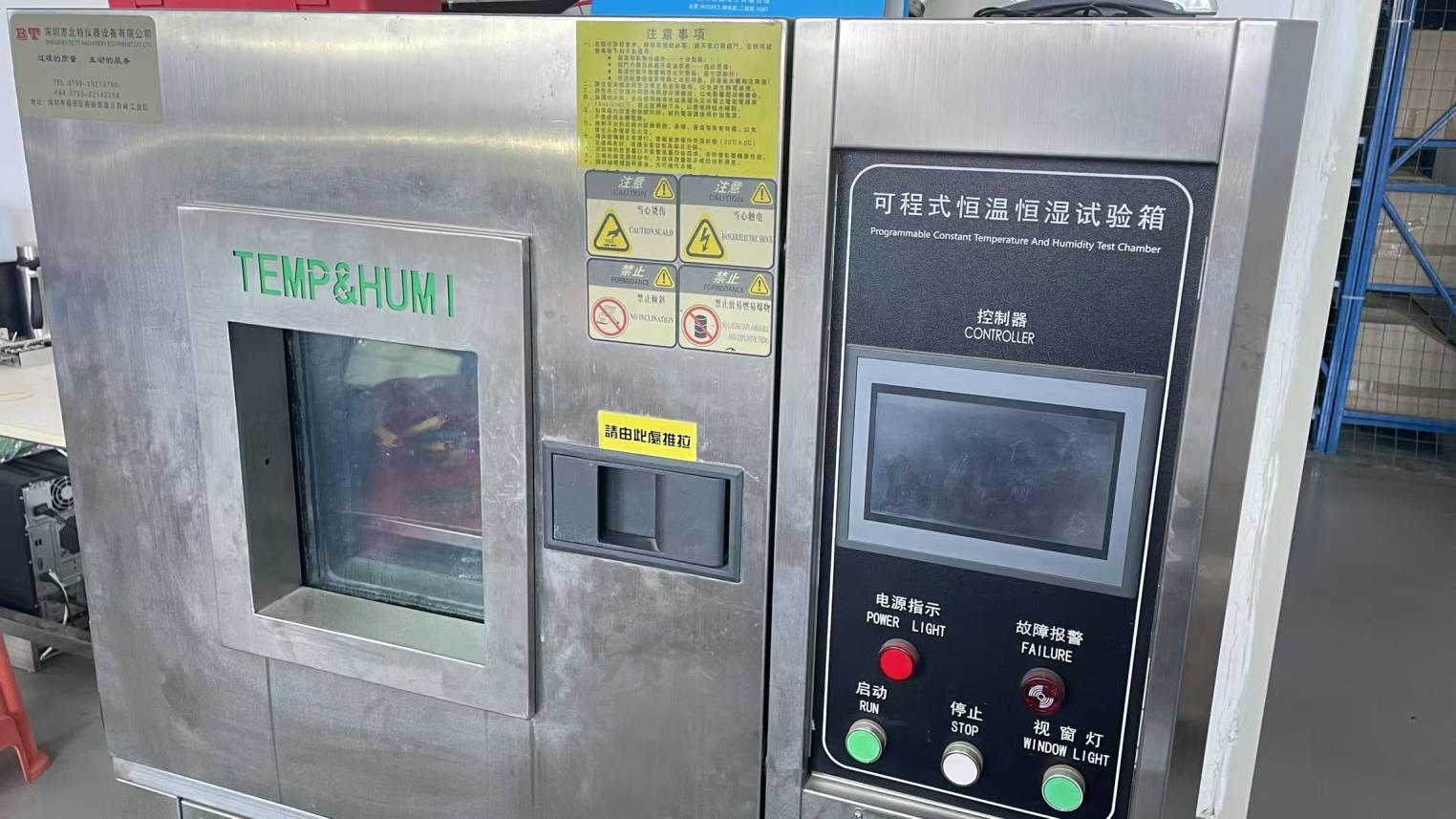
Precision Test Equipment & Design Verification
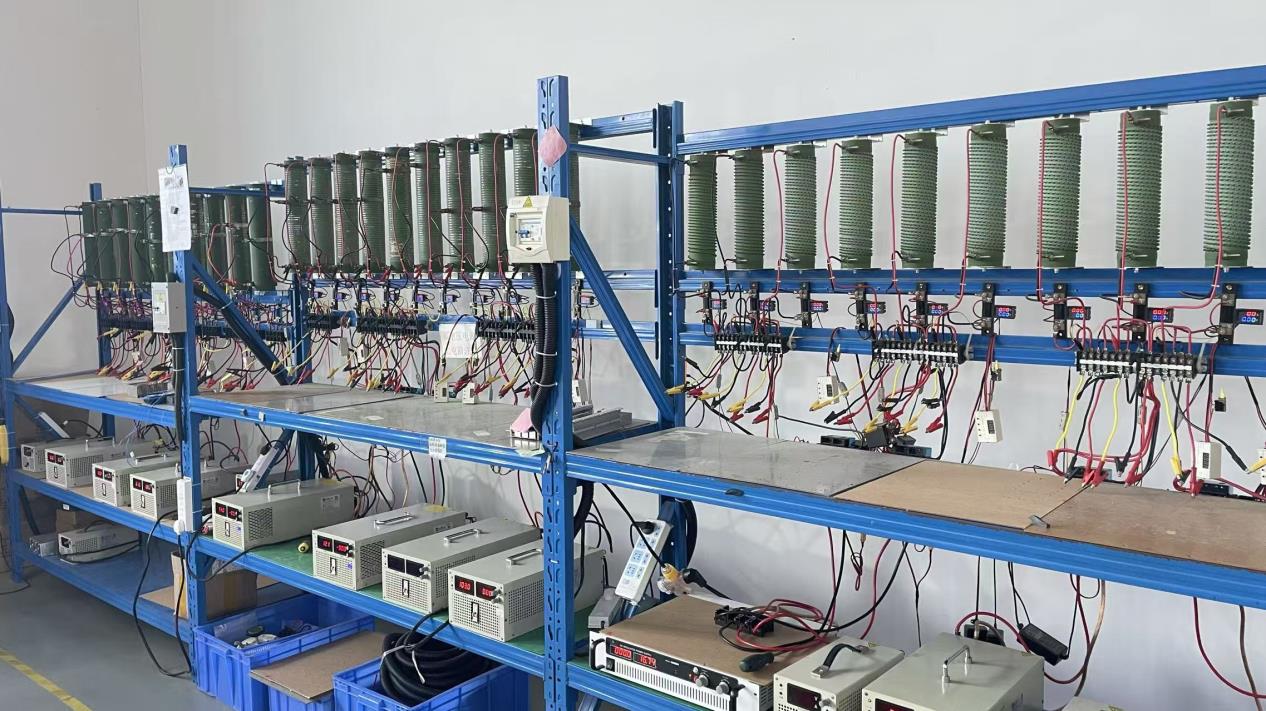

Global Safety Compliance & Thermal Mitigation
Deploying OEM wireless charging hardware globally requires strict adherence to international standards and robust thermal management. Below is an overview of our engineering approach to safety, thermal mitigation, and compliance.
1. Active & Passive Thermal Control
In high-power inductive transfer, heat generation in the copper coils and the battery chemistry must be actively controlled. We employ several mitigation techniques:
- Thermally Conductive Potting (Glue Filling): Our vacuum canning process uses high-K epoxy resins to conduct heat away from core magnetic components to external aluminum heatsinks, maintaining an IP67 rating.
- Over-Temperature Cutoff Protection (OTP): Integrated NTC thermistor arrays communicate real-time temperature data to the primary control board, enabling smart power throttling before critical heat limits are reached.
2. Foreign Object Detection (FOD)
Metallic contaminants (such as coins, keys, or tools) in the active magnetic field act as single-turn short circuits, creating extreme heat hazards. Our systems integrate dual-frequency resonant shifts and Q-factor degradation analysis. The transmitter detects minor field variances and instantly halts power transfer, warning operators via digital bus interfaces.
3. Global Safety & Testing Certification Roadmap
Our designs comply with leading regulatory frameworks: CE (LVD/EMC), FCC Part 18, RoHS, and IEC/EN 62368-1. We support customers throughout the certification process, providing complete documentation packs, transformer insulation diagrams, and schematics to simplify local lab approvals.
Technology Roadmap & Future Outlook
Expanding the limits of wireless power transfer through advanced power semiconductors and dynamic spatial optimization.
Wide Bandgap Integration (GaN & SiC)
Moving from Silicon MOSFETs to Gallium Nitride and Silicon Carbide switches, boosting resonant frequencies to 85kHz - 300kHz while significantly reducing switching losses.
Multi-Degree-of-Freedom Alignment
Developing spatial array transmitters that identify receiver position and optimize magnetic coupling, reducing the need for precise physical parking alignments.
Bi-Directional Wireless V2G
Enabling bidirectional energy transfer to allow electric vehicle batteries to supply power back to the grid wirelessly, optimizing grid demand balancing.
Frequently Asked Questions & Engineering Queries
Technical guidance on customization options, performance parameters, and safety integrations for OEM/ODM projects.
Specialized Conversion Modules & System Componentry
Explore our industrial range of high-efficiency step-down converters, high-voltage chargers, and high-frequency power controllers designed to meet specific engineering standards.