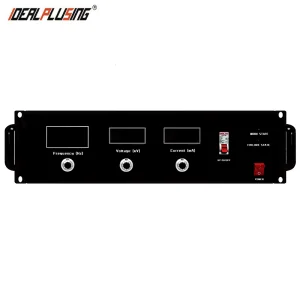
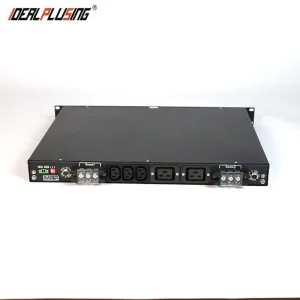
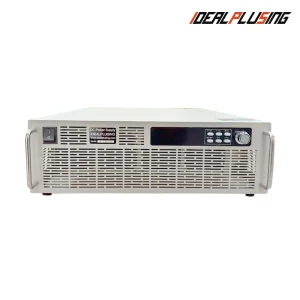
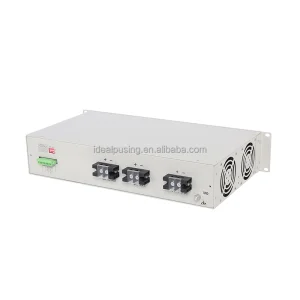
Featured CE-Certified Power Testing Systems
Industrial-grade instrumentation designed for continuous-duty stability, featuring dynamic loads, custom buck-boost modules, and switching power sources.
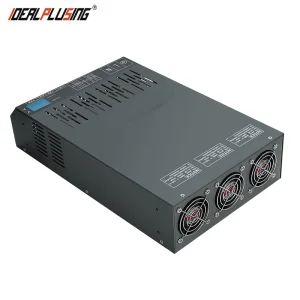
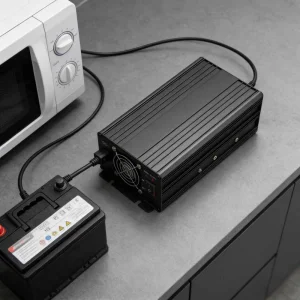
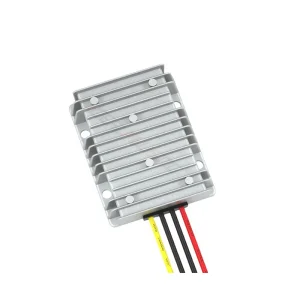
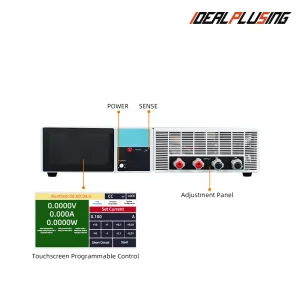
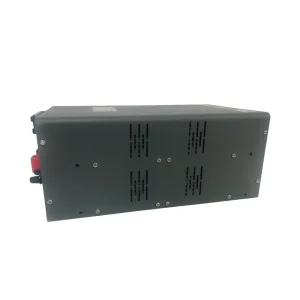
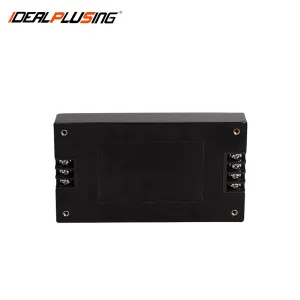
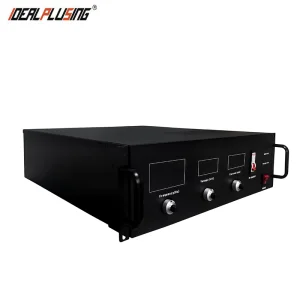
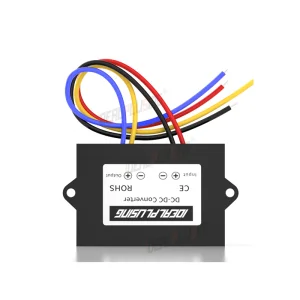
State-of-the-Art Power Conversion & Electronic Load Testing Technologies
As leading CE certified electronic load manufacturers with an integrated, state-of-the-art manufacturing factory in Guangzhou, China, we specialize in high-capacity instrumentation engineered to meet the stringent demands of modern power validation laboratories. Our product portfolio spans critical categories across the entire spectrum of power conversion, control, and dissipation technology:
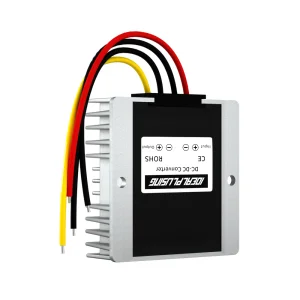
DC-DC Converter Systems
Isolated and non-isolated designs, managing DC voltage inputs and outputs from 12VDC to 1000VDC, with scalable power configurations ranging from 1kW to 200kW. Engineered for exceptional transient response and high thermal dissipation efficiency in extreme test setups.
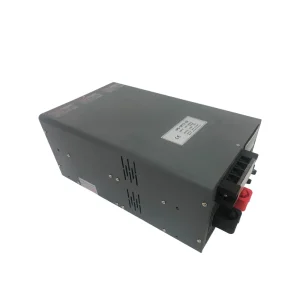
AC-DC Power Supplies
Industrial regulated power architectures spanning ultra-precise low voltage to extreme high-voltage ratings from 0V to 200kV, with active current control from 0 to 20,000 Amps. Optimized for plasma generation, electrospinning, and advanced semiconductor testing.
DC-AC Inverters
Pure sine wave inverter systems converting input voltages of 12VDC to 2000VDC into highly stable AC power (110V to 240V or customized phase values) up to 500kW capacity. Designed for critical grid tie, industrial machinery, and telecom backups.
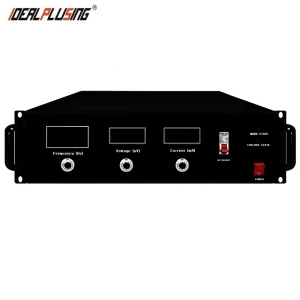
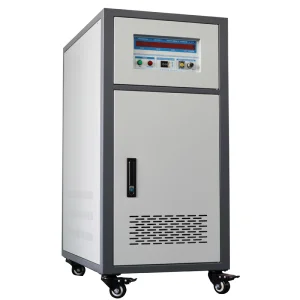
AC-AC Power Sources
Single and three-phase programmable frequency converters spanning 10Hz to 500Hz, supporting system ratings from 1kVA to 500kVA. Excellent harmonic distortion performance (<1% THD) for precise avionics and international grid simulation.
AC-DC Ground Power Units
Aerospace and marine duty ground power systems running from 300 Amps to 50,000 Amps, engineered for military and commercial operations. These units are built to withstand continuous peak demands and severe operational environments.
Core Manufacturing Vision: The IDEALPLUSING Standard
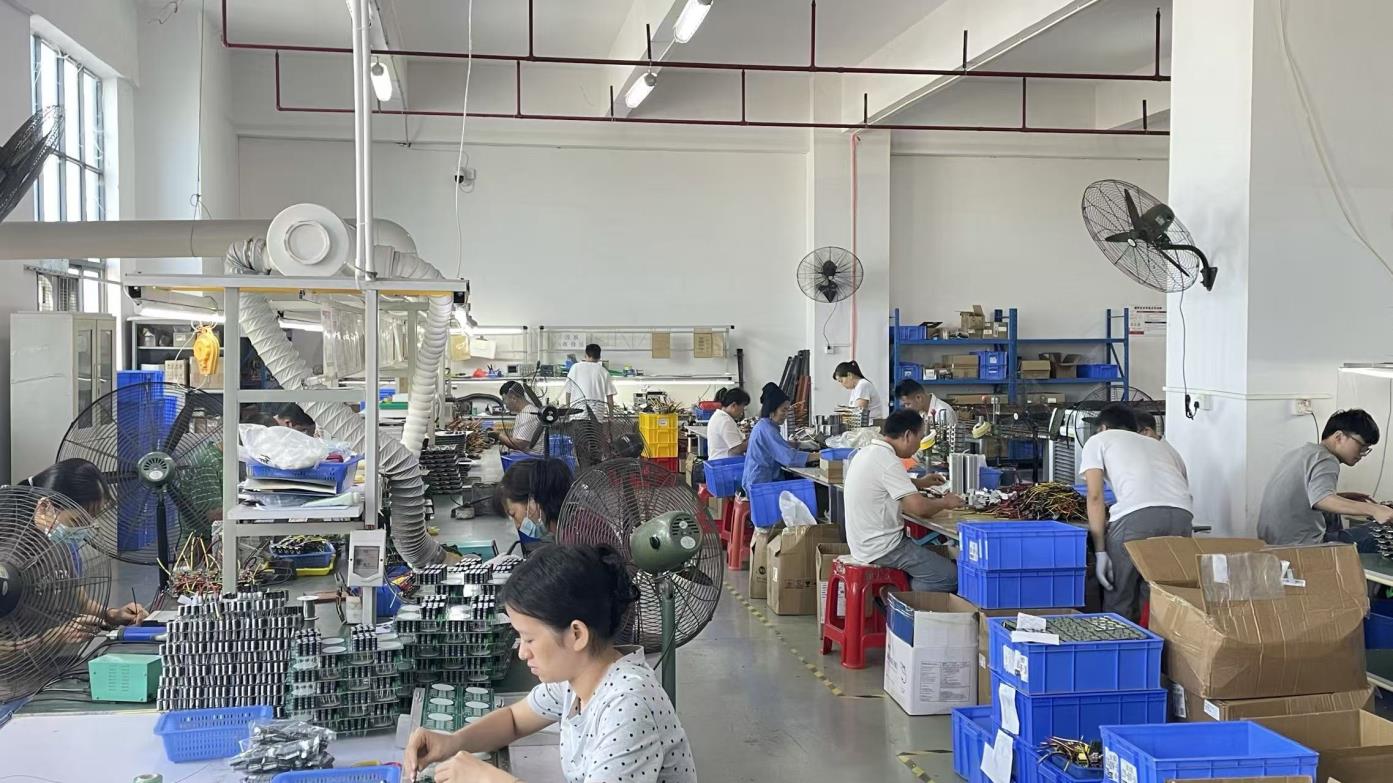
By adhering strictly to our operation guideline of "Leading Technology, Reliable Quality, Satisfactory Service & Customers First!", we manage an expansive supply chain. Our operations combine a proprietary manufacturing hub in Guangzhou with more than 20 specialized partner factories. We maintain a staff of over 60 highly skilled assembly workers and R&D engineers to support a catalog of over 10,000 distinct power supply and electronic load models.
CE Certified Safety: The Standard for Global Procurement
For global procurement offices, system integrators, and testing laboratories, importing high-power test equipment without adequate compliance creates major liabilities. In the European Economic Area (EEA) and other global regions that align with CE standards, having the **CE Mark** is not just optional—it is a legal requirement. Our factory-engineered electronic loads and power supplies undergo comprehensive validation to meet the European Union's Low Voltage Directive (LVD) 2014/35/EU and Electromagnetic Compatibility (EMC) Directive 2014/30/EU.
Why Sourcing from a Certified Factory Matters
When testing high-voltage batteries, automotive charging infrastructure, or solar inverters, the test load must absorb massive energy continuously. A substandard electronic load can experience thermal runaway, creating a risk of fire or shock. As a specialized CE certified electronic load factory, we integrate multiple layers of protection: Over-Voltage Protection (OVP), Over-Current Protection (OCP), Over-Power Protection (OPP), and Over-Temperature Protection (OTP). This guarantees that in the event of an unexpected fault in the Device Under Test (DUT), the electronic load safely isolates the circuit to protect personnel and expensive testing infrastructure.
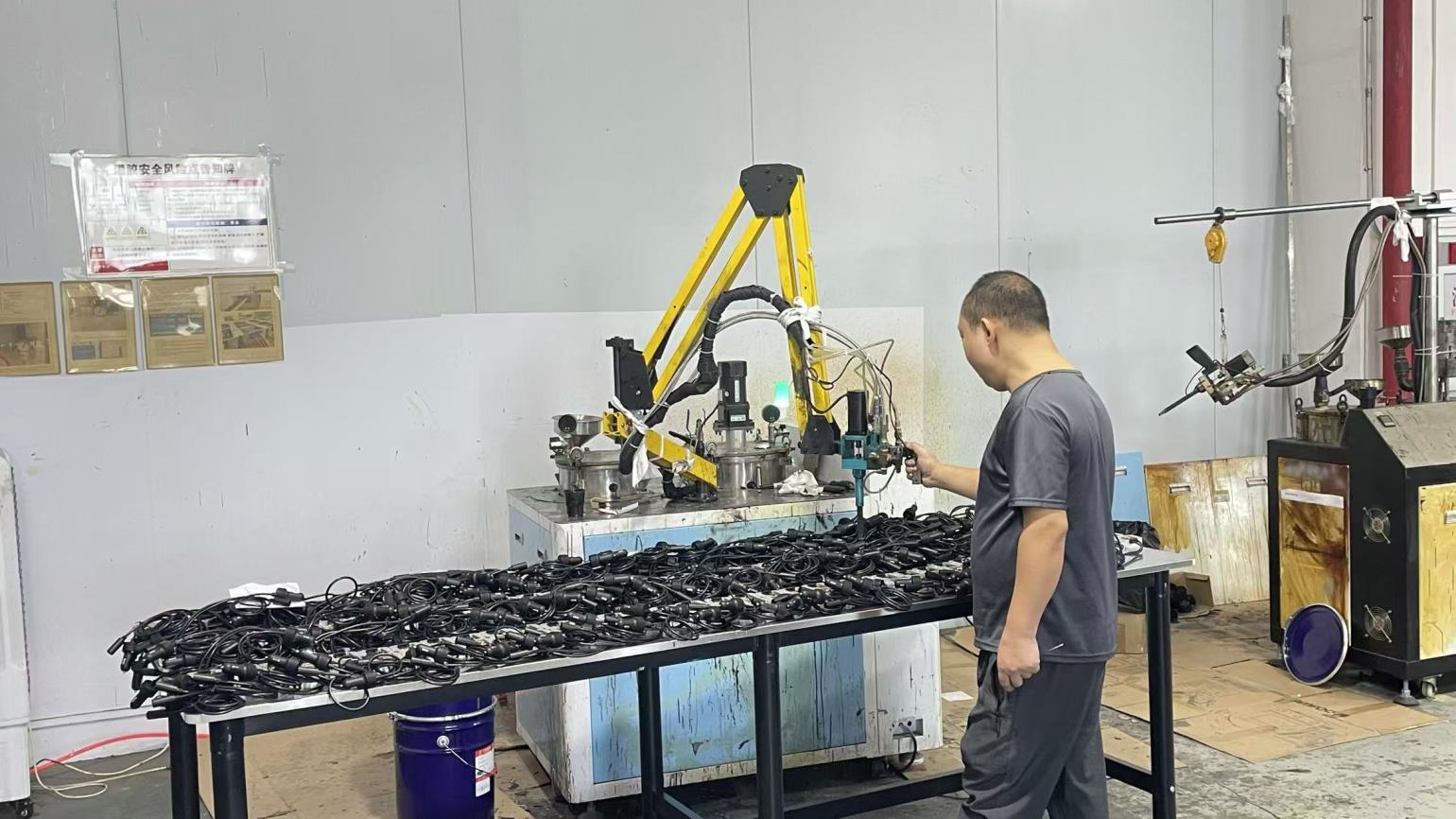
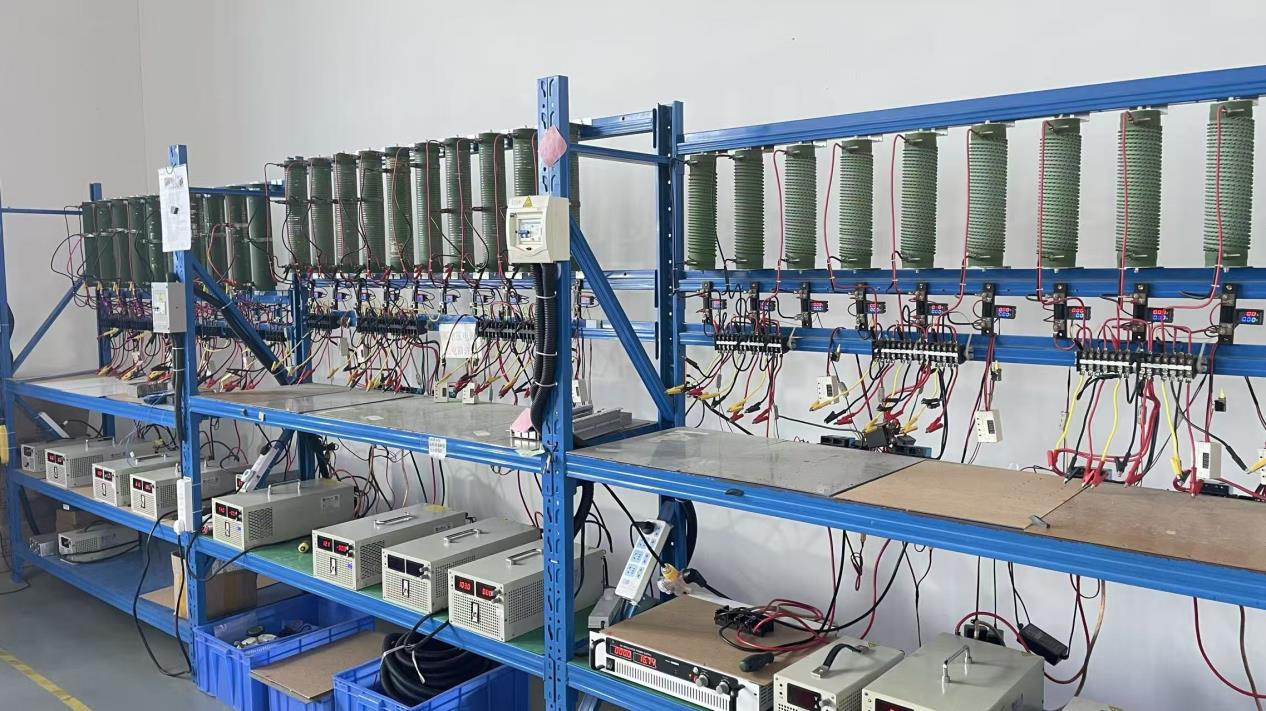
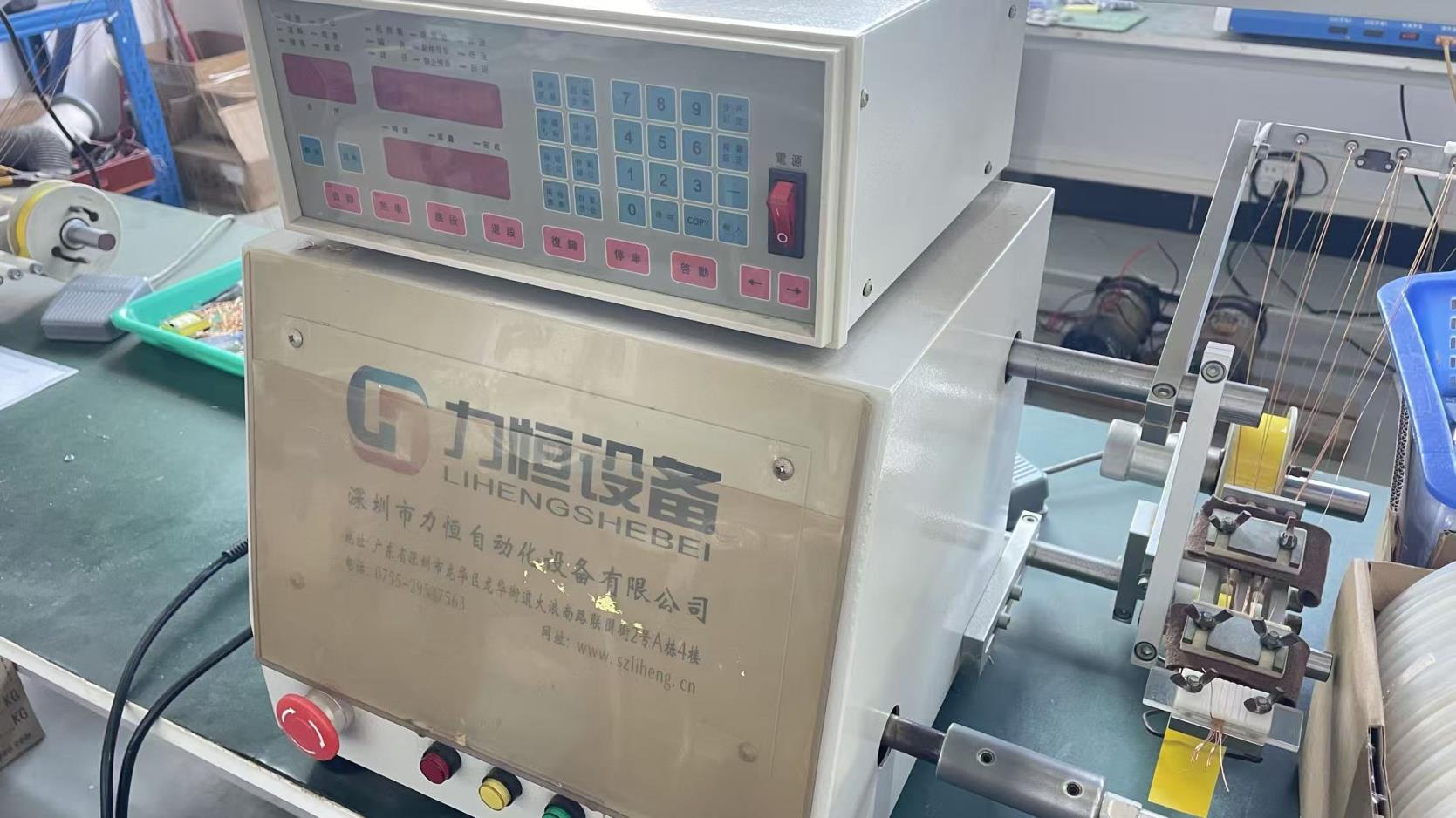
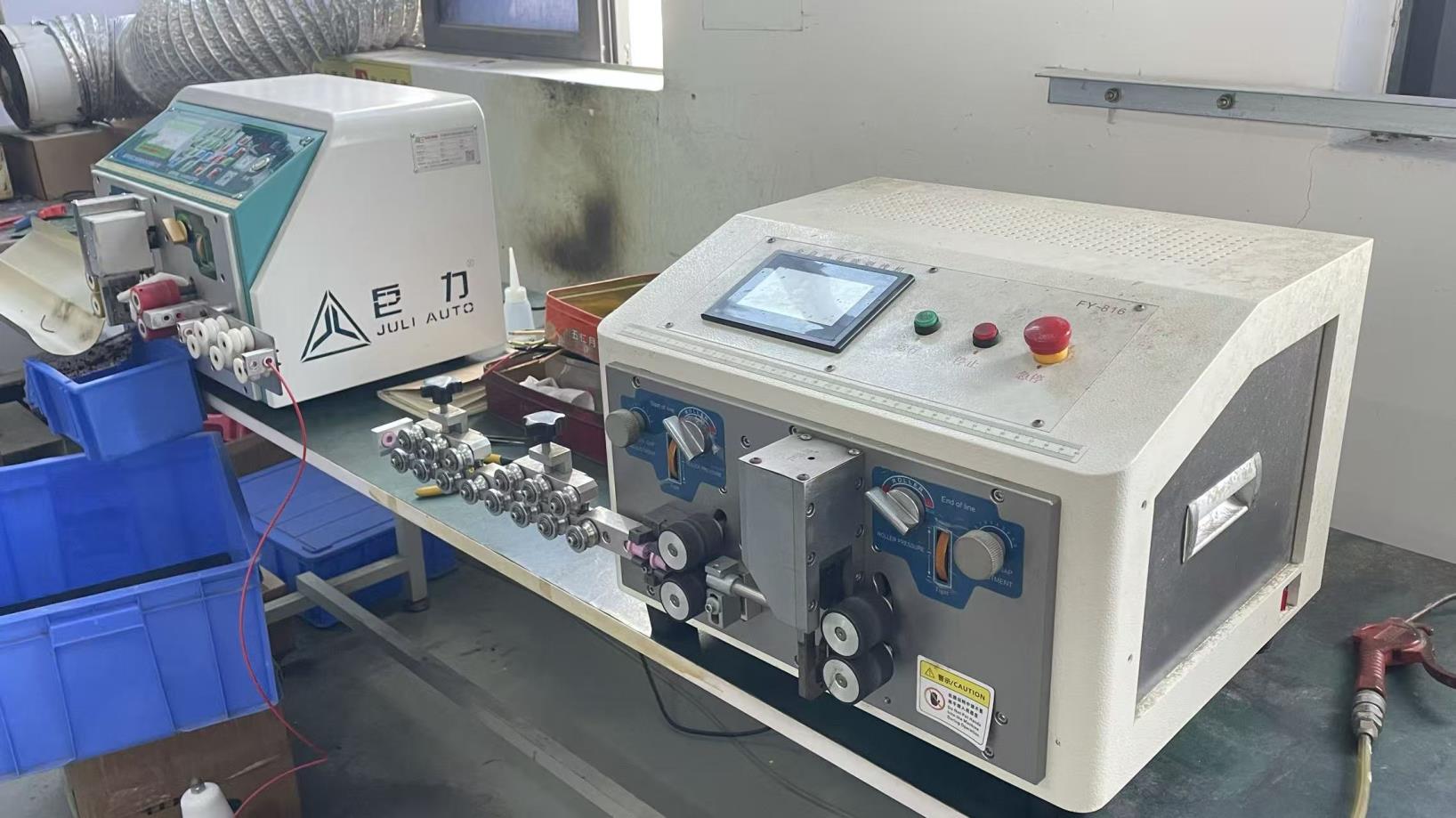
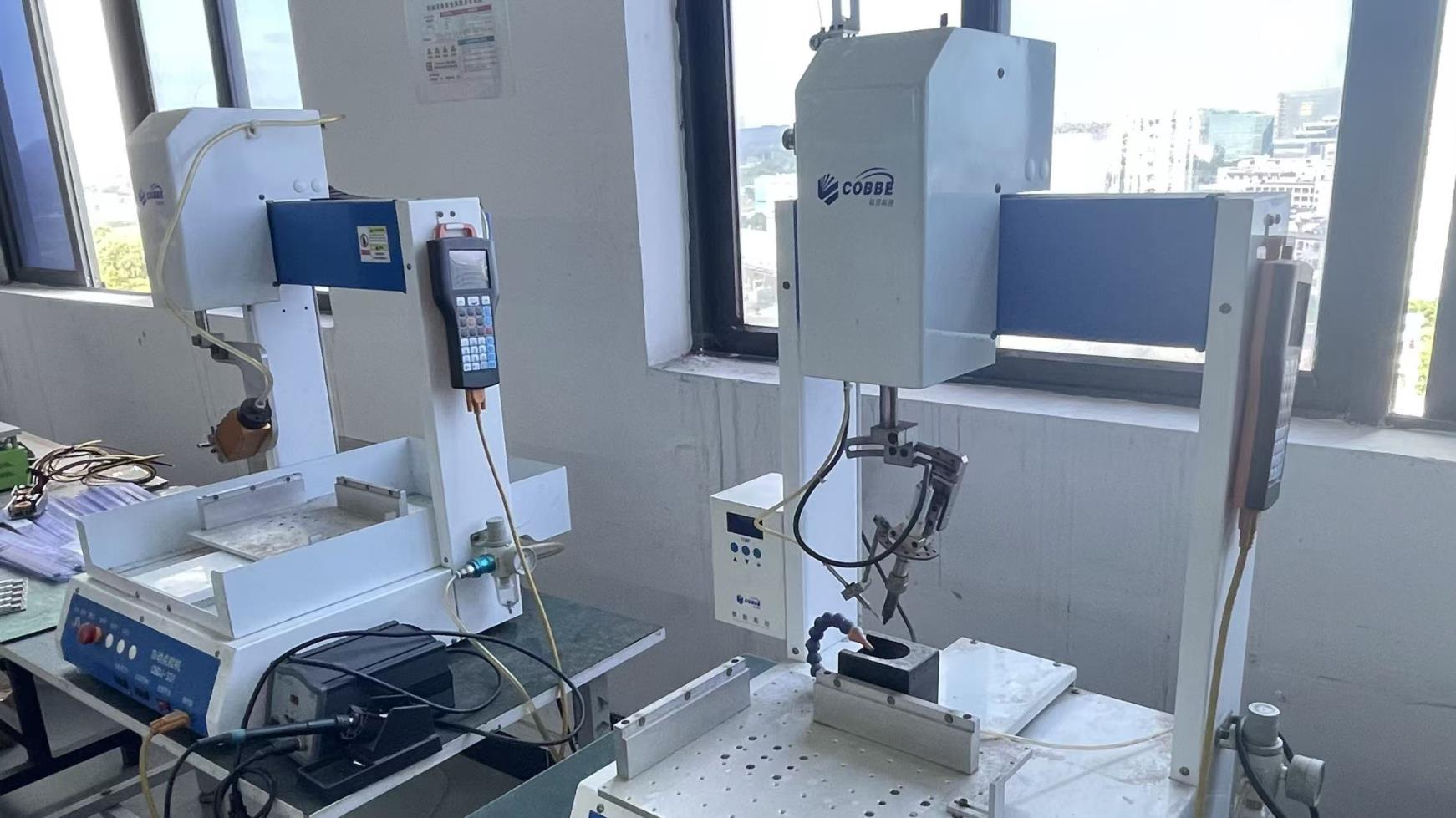
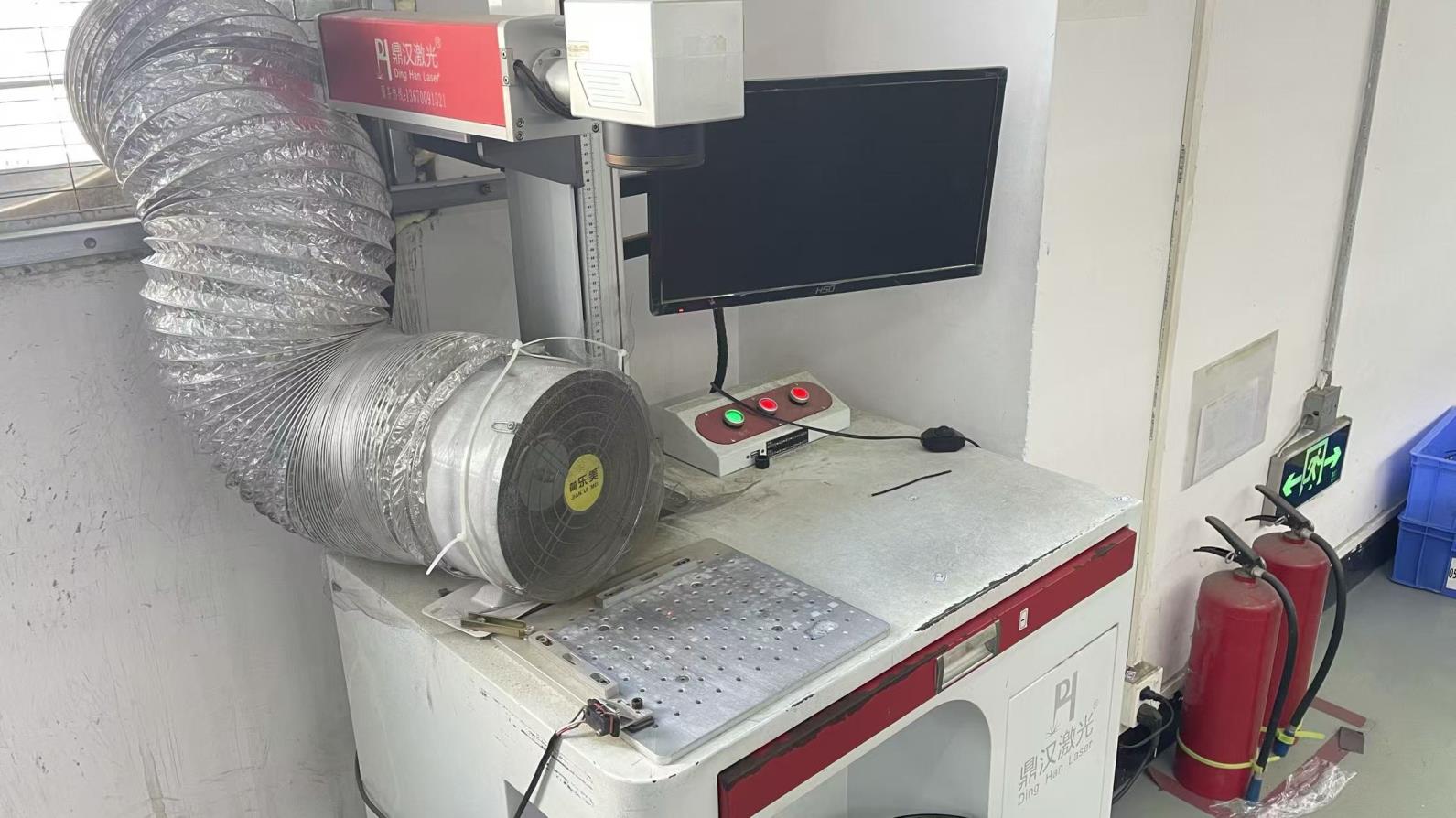
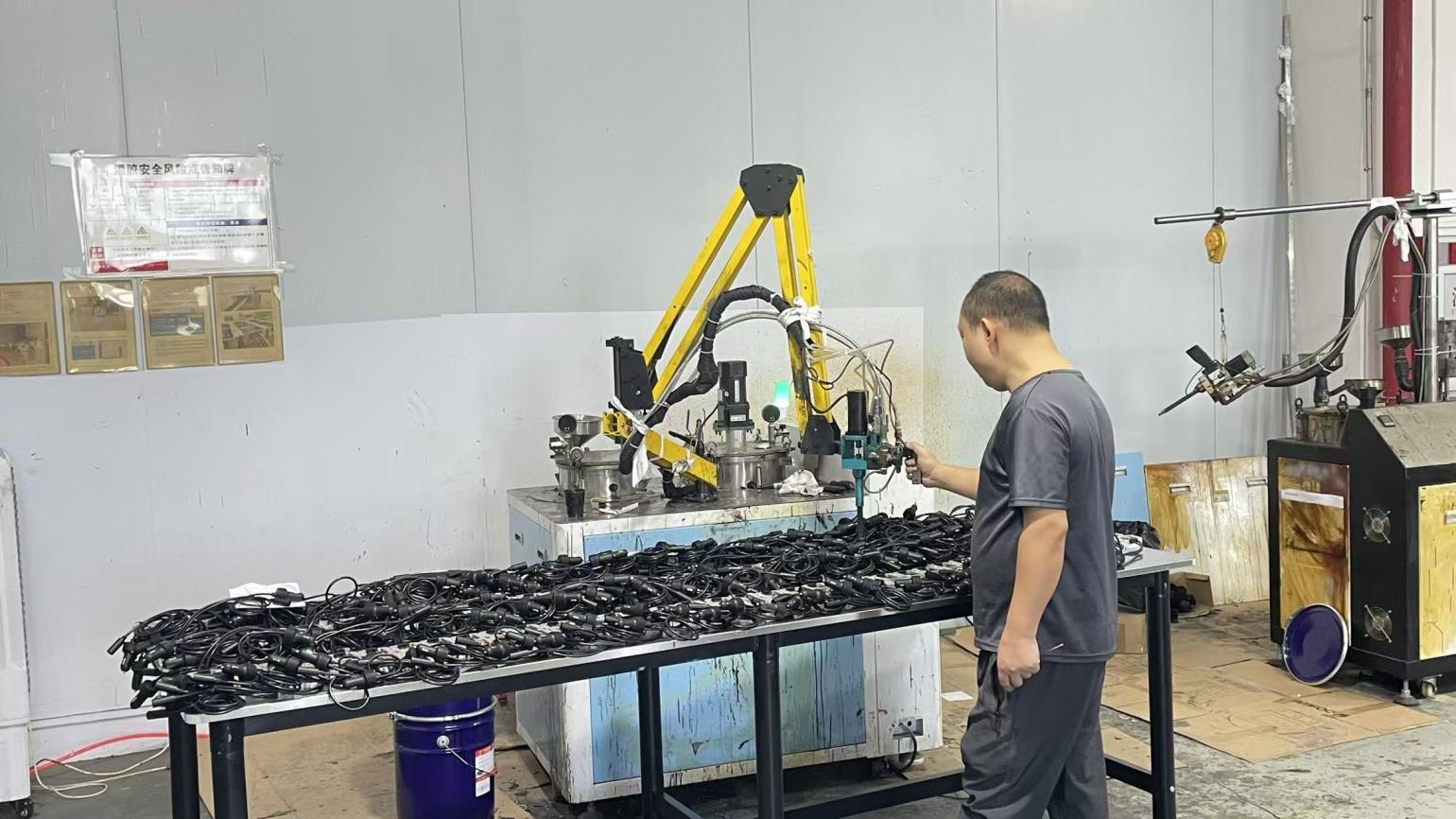
State-of-the-Art Production & Quality Testing Laboratory
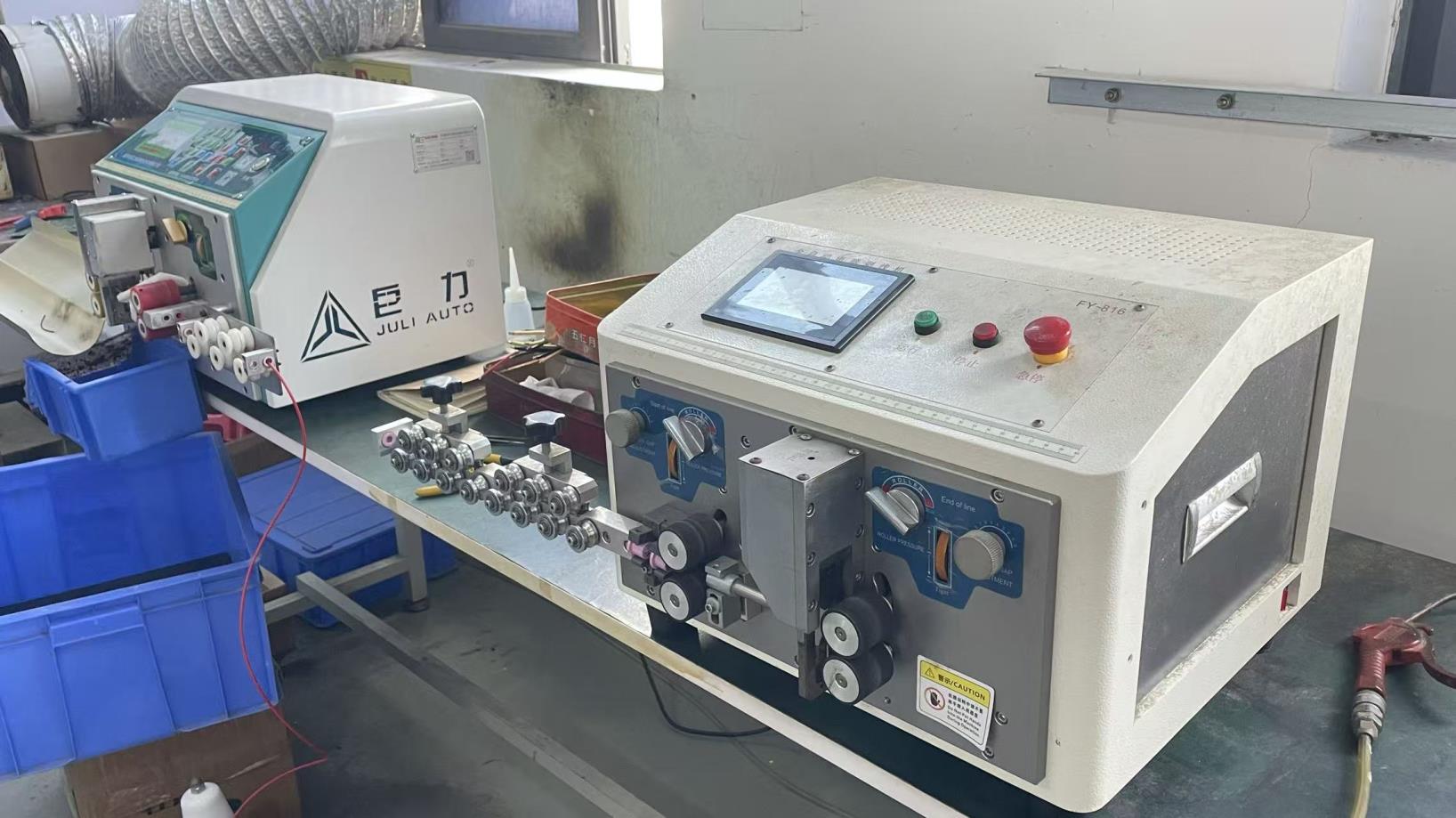
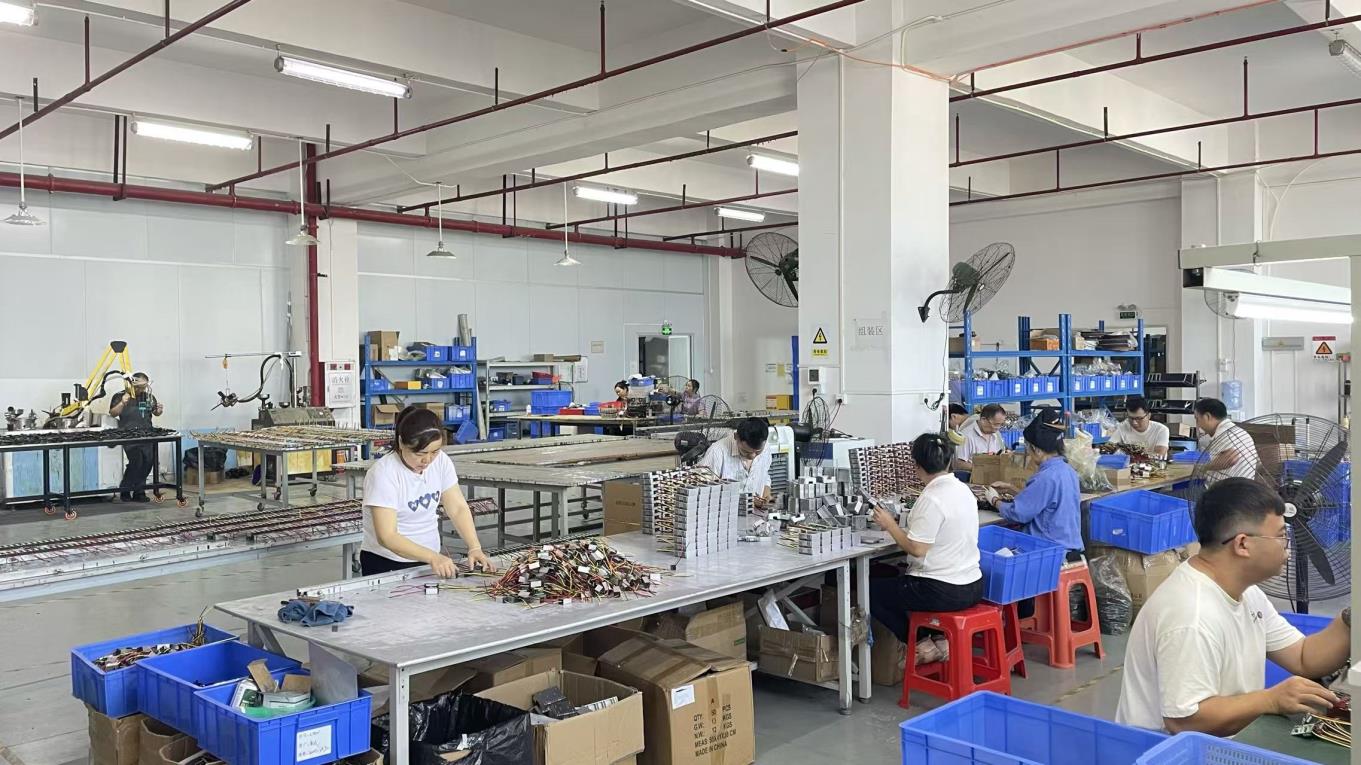
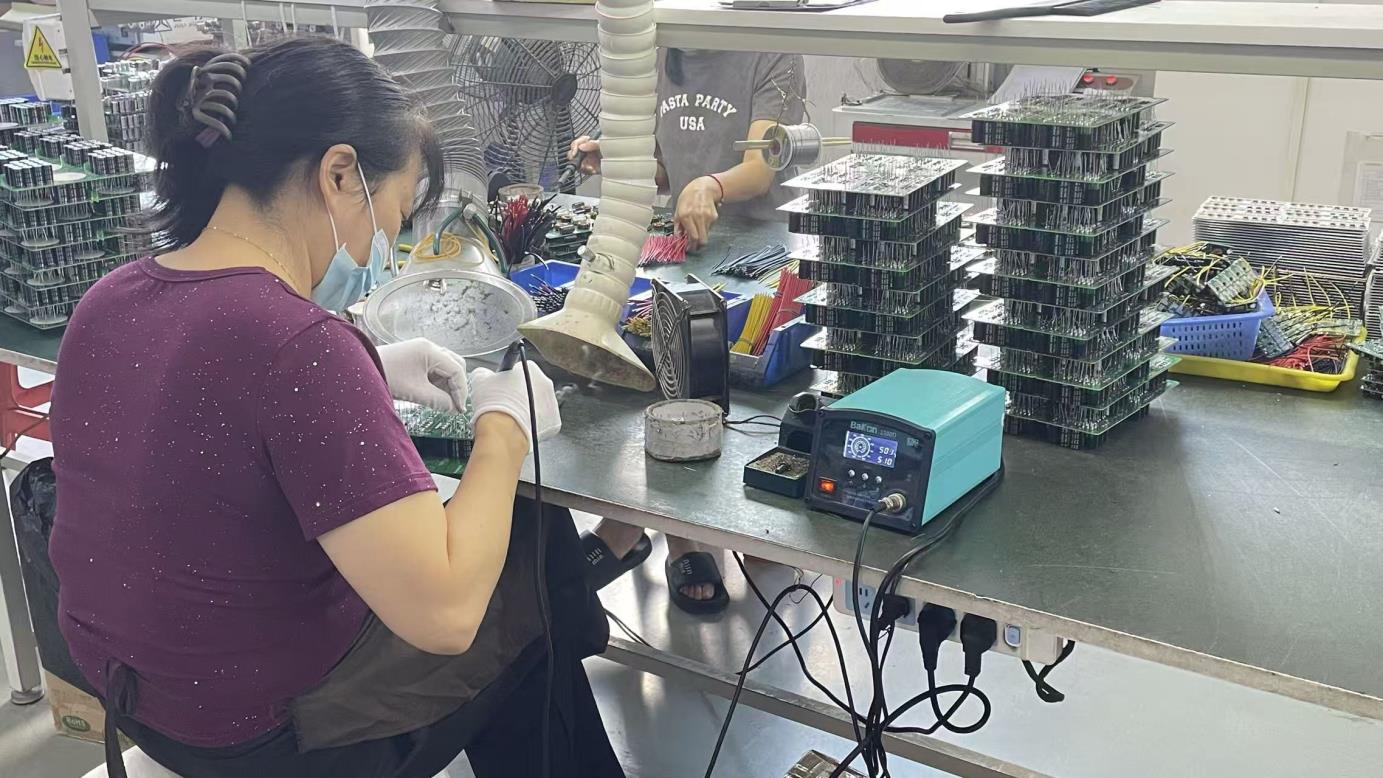
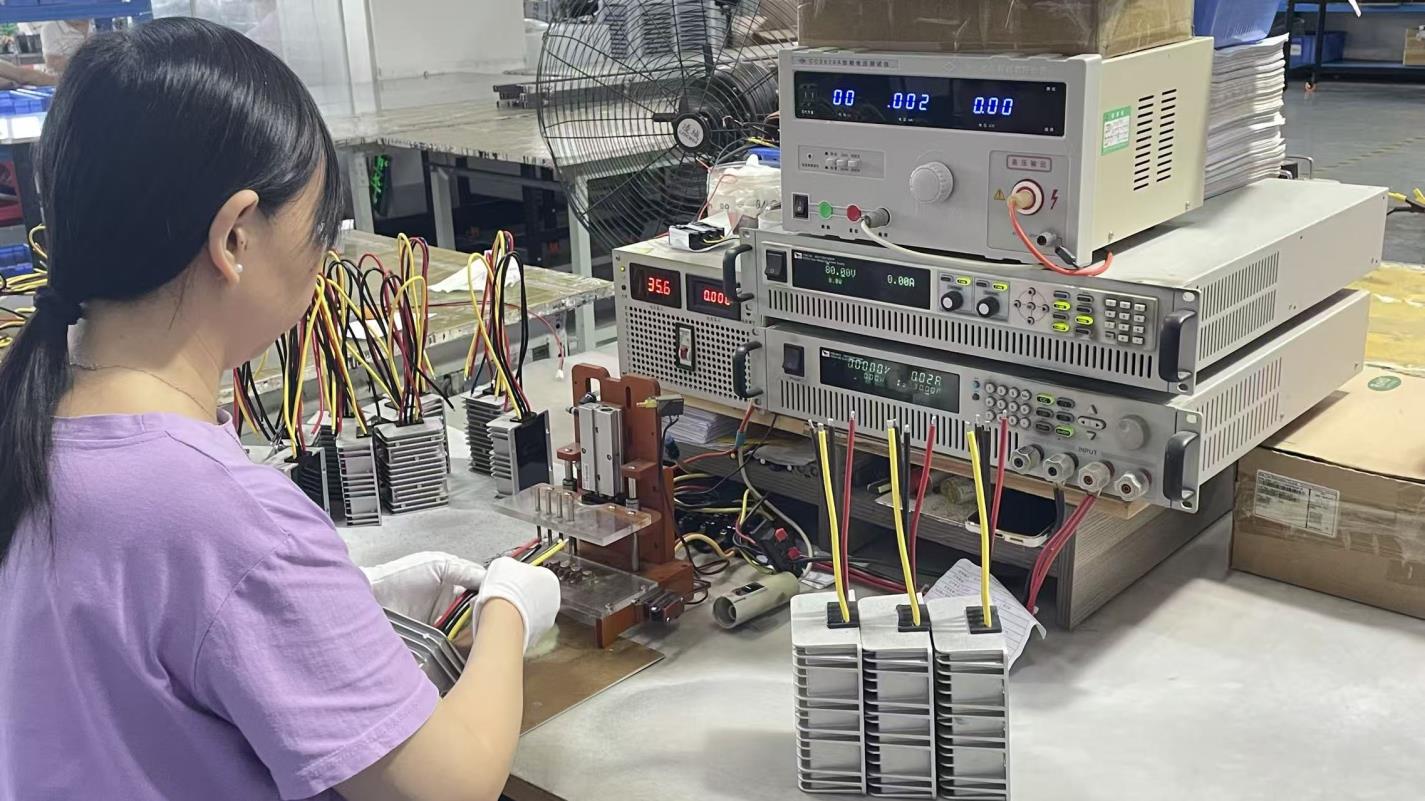
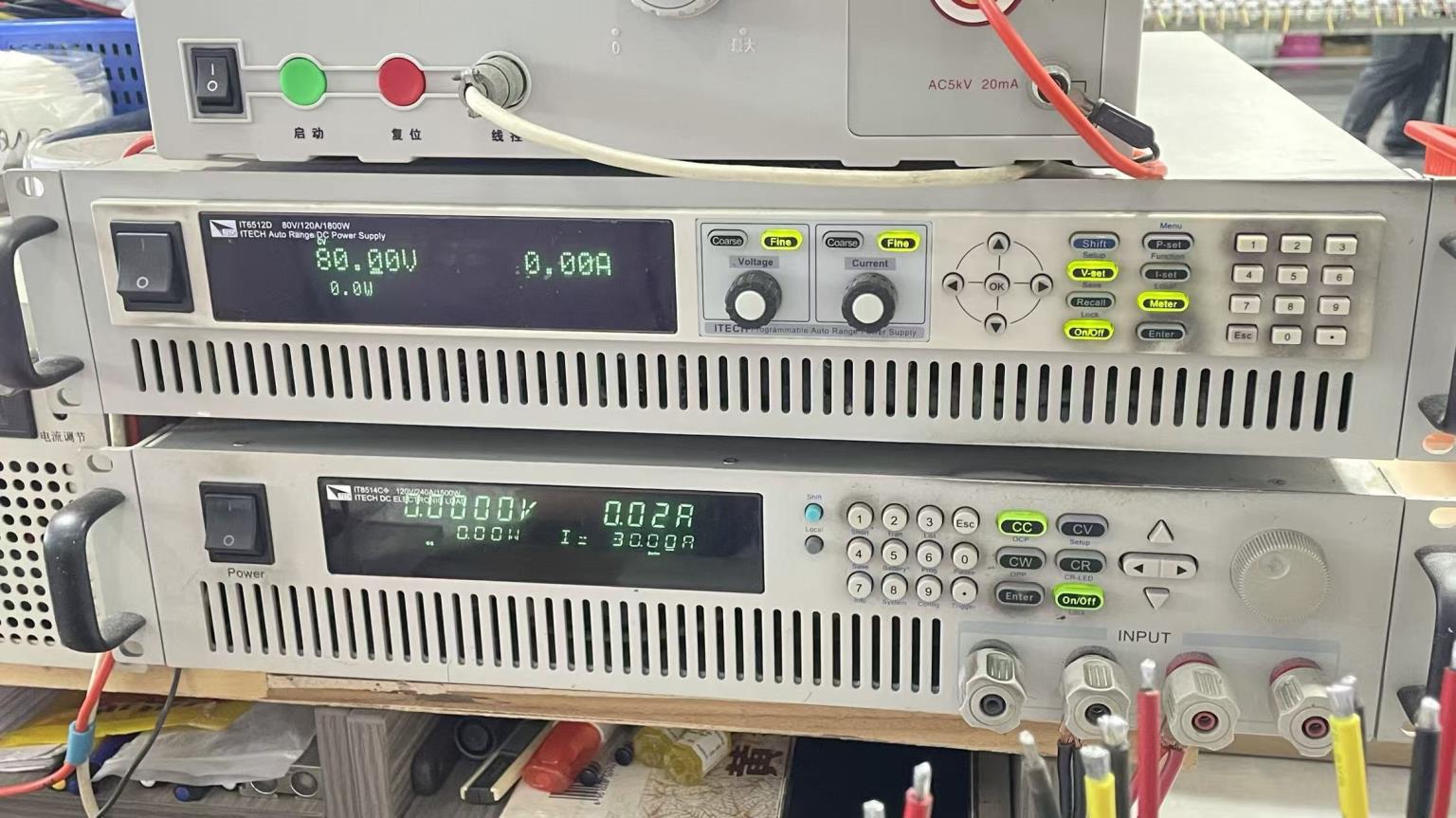
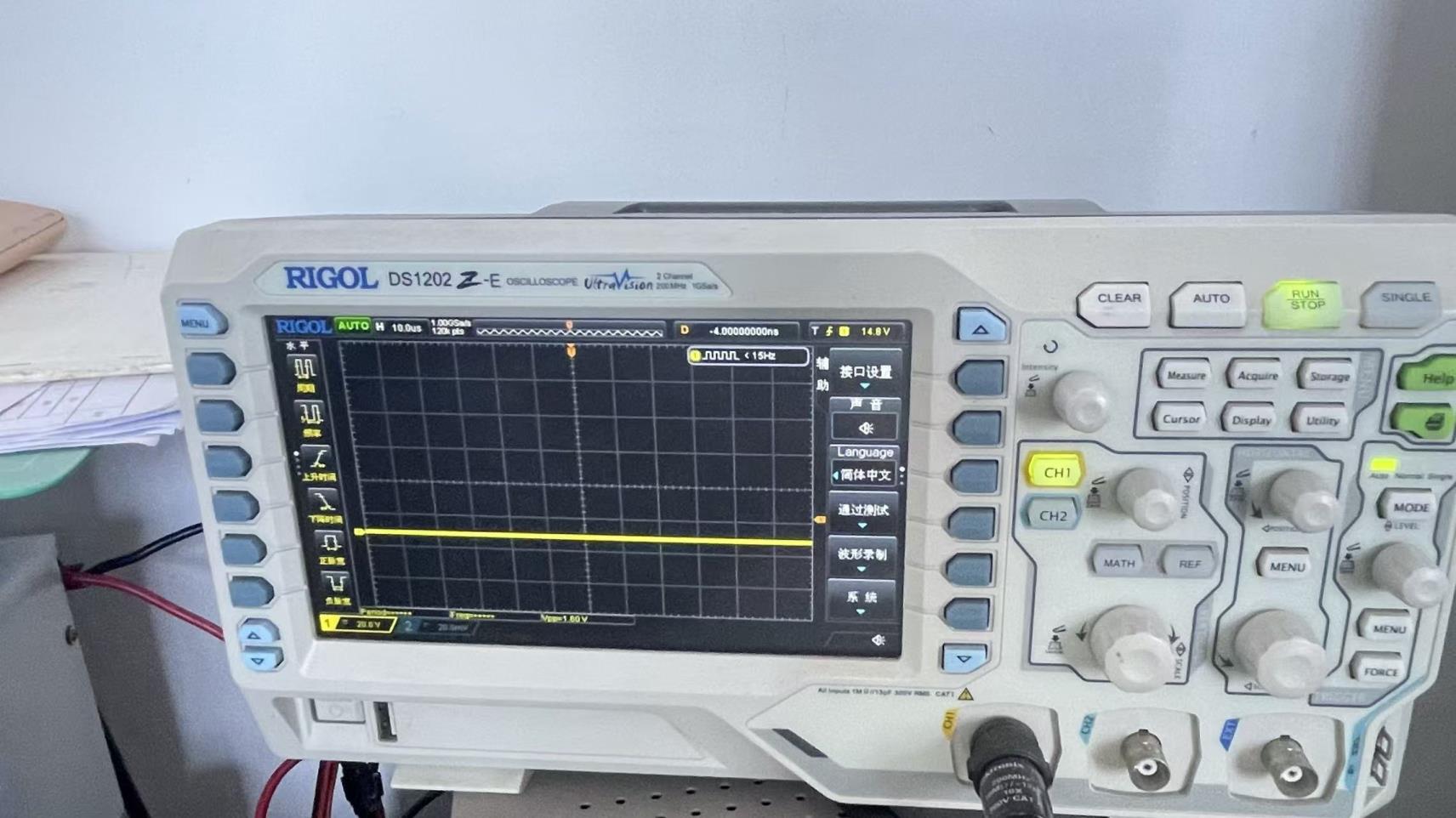
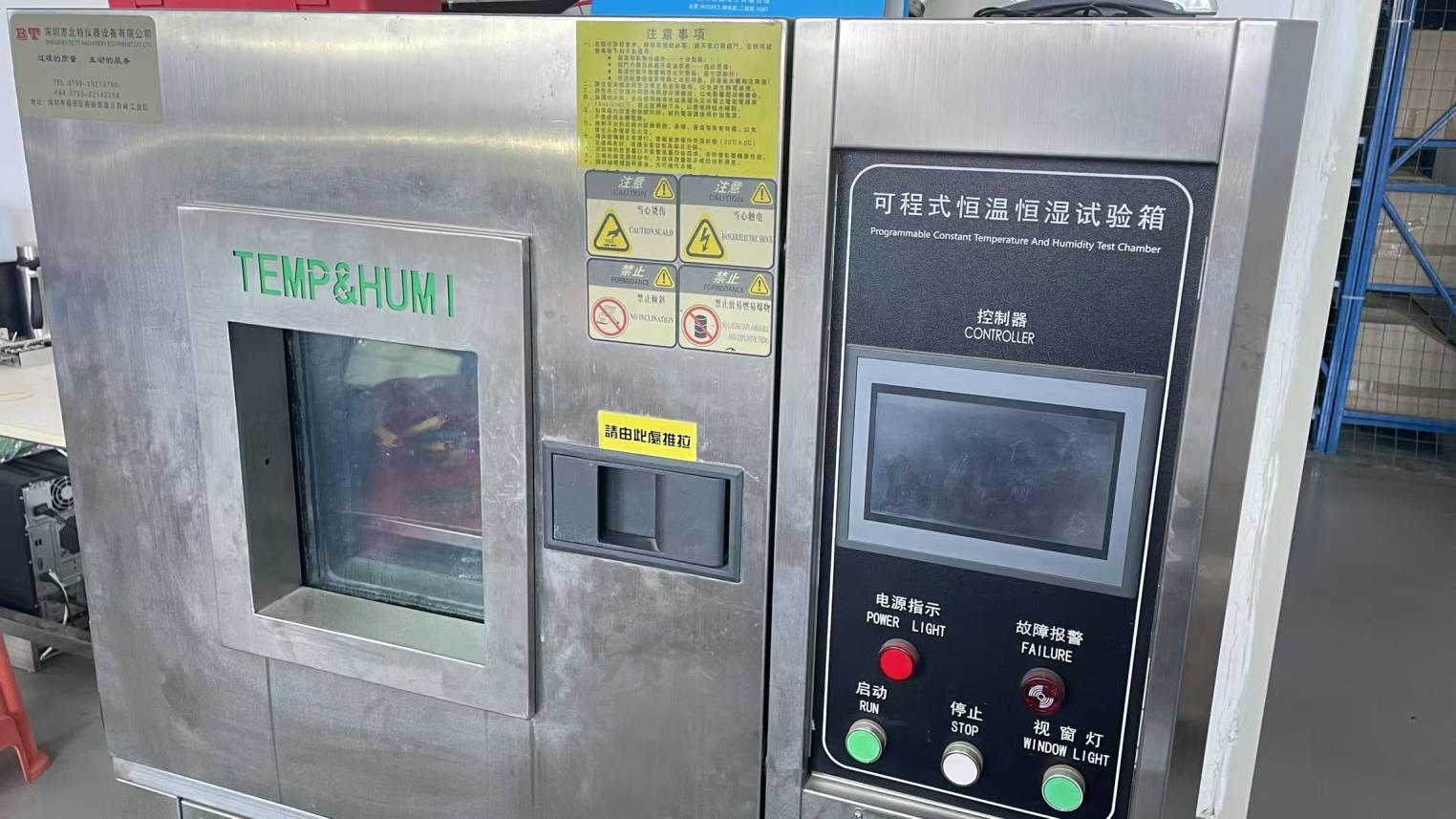
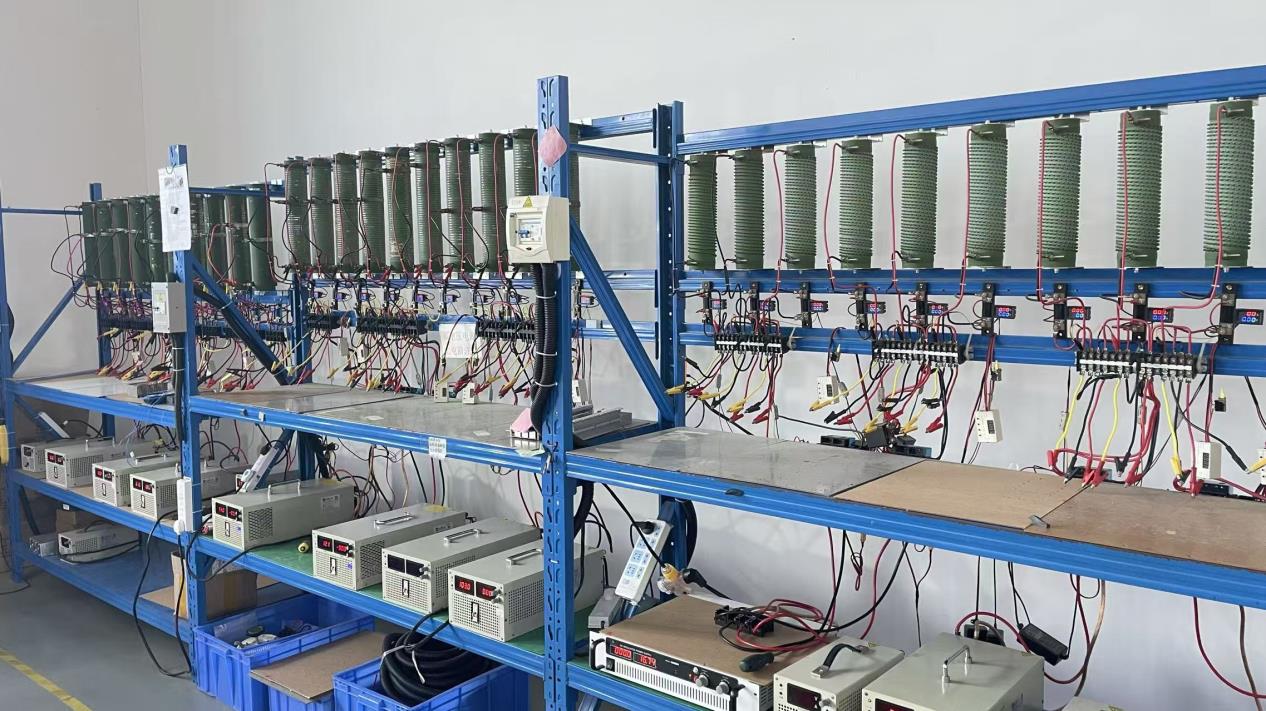
Every electronic load and high-power converter is assembled, inspected, and calibrated in our specialized manufacturing plant in Guangzhou, China.
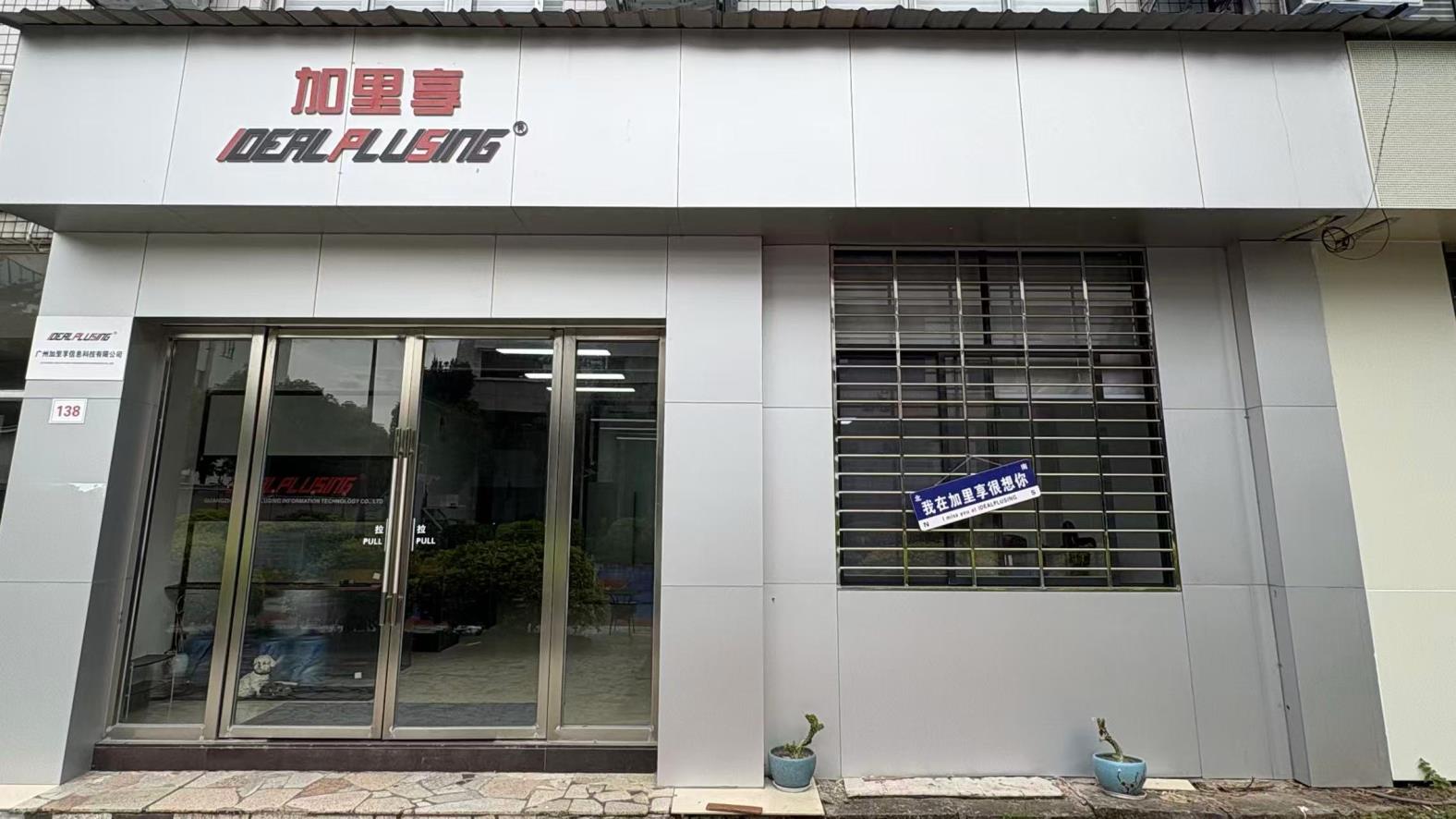
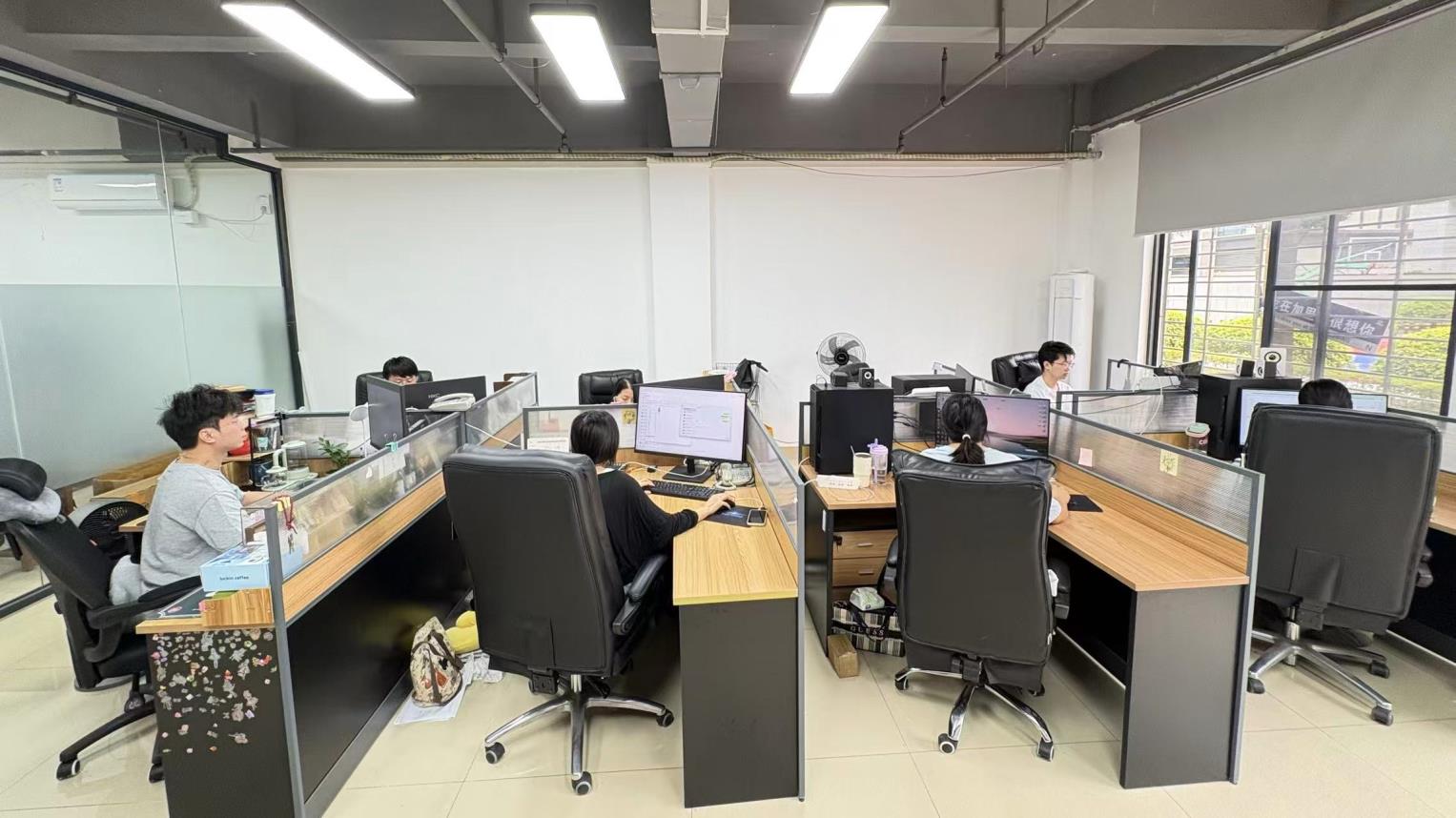
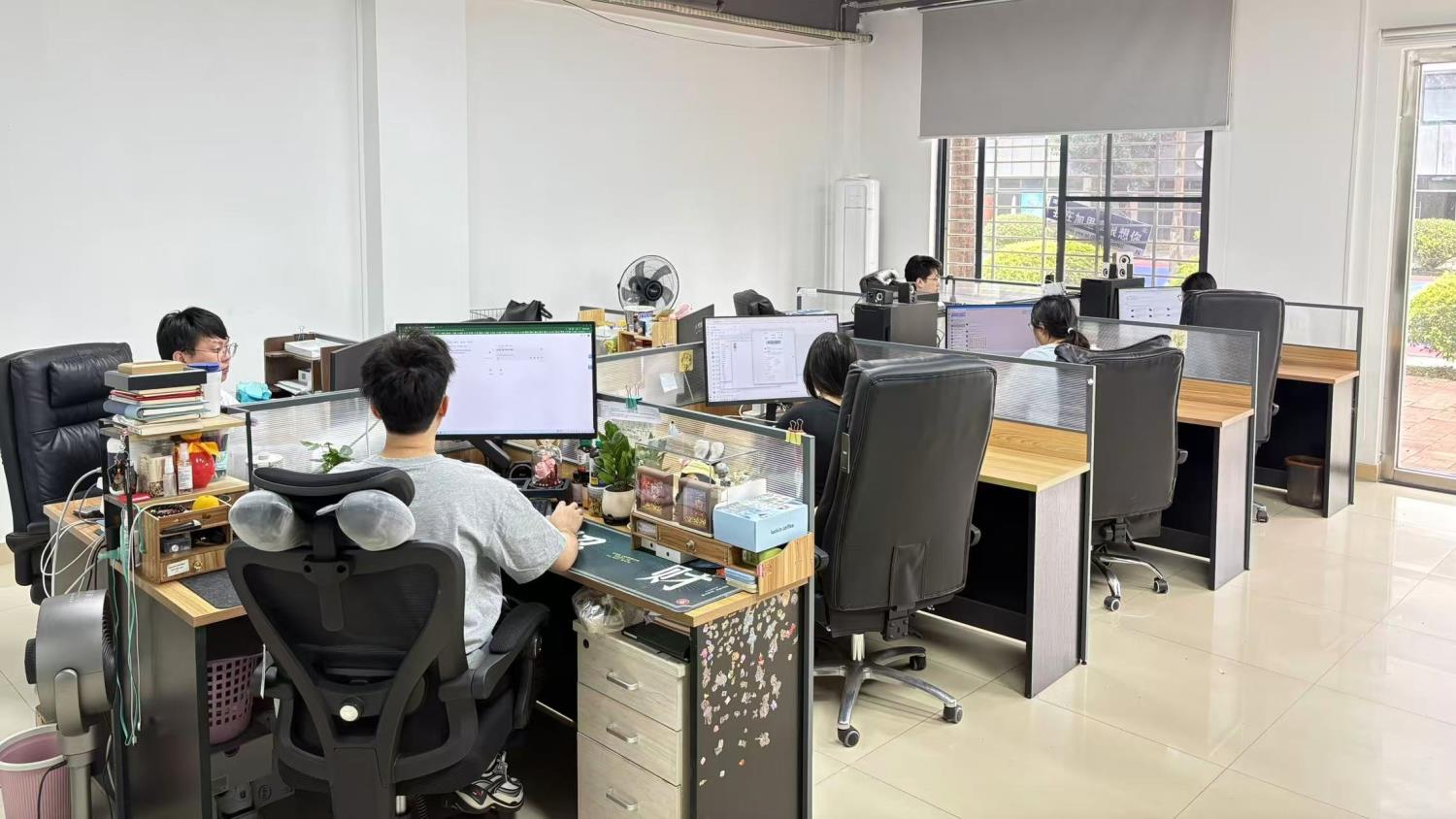
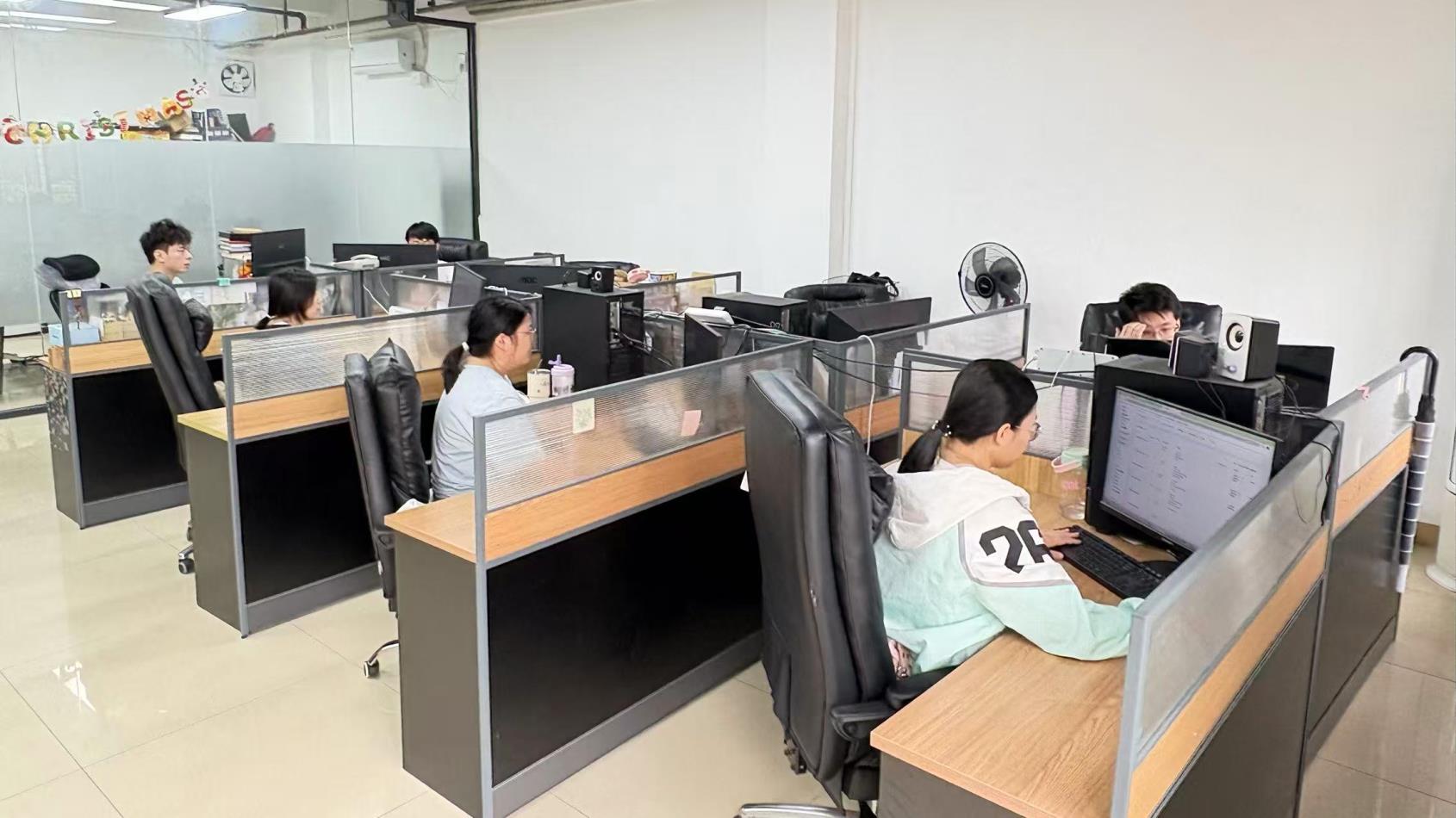
Step-by-Step Processing & Diagnostics Calibration


Technological Evolution & Future Industry Trends in Electronic Load Sourcing
The global power test instrumentation industry is going through a major transition. It is shifting away from traditional analog, dissipating load systems and moving toward high-frequency, programmable, and regenerative power architectures. This evolution is driven by several key factors:
1. Silicon Carbide (SiC) and Gallium Nitride (GaN) Device Validation
Modern power electronics are adopting wide bandgap (WBG) semiconductors like **SiC** and **GaN** at a rapid pace. These semiconductors operate at higher switching frequencies and run much hotter than traditional silicon components. As a result, the electronic loads used to test them must have fast dynamic response capabilities.
Slew rates that used to be measured in milliamperes per microsecond now frequently require values in the tens of Amps per microsecond. Our programmable DC electronic loads feature advanced feedback loops. These allow test engineers to achieve ultra-fast transient responses, which prevents voltage overshoots that could damage the device under test.
2. Regenerative Electronic Loads: The Rise of Energy Recovery
In traditional air-cooled or water-cooled electronic loads, all of the electrical energy absorbed during testing is converted into waste heat. This heat must then be managed and removed from the facility, which creates additional cooling demands and utility costs.
Modern green energy factories are moving toward **regenerative electronic loads**. These systems feed the absorbed energy back into the local AC grid with high efficiency (often exceeding 92%). This energy-recovery approach reduces electricity bills, lowers the facility's carbon footprint, and simplifies thermal management requirements.
3. Automated Test Equipment (ATE) Integration via SCPI and Modbus
With the rise of Industry 4.0, manufacturing test loops require fully automated control. Testing is no longer performed manually with front-panel knobs. Instead, electronic loads must interface seamlessly with computerized control systems.
Our programmable systems support **SCPI commands** over USB, RS-232, RS-485, and LAN interfaces, and offer compatibility with LabVIEW. This enables engineers to easily program automated test profiles, such as simulating complex battery discharge curves, testing fuse clearing curves, or running dynamic transient tests on automotive power buses.
Macro Industry Solutions & Reference Architectures
Electronic loads are essential tools used across a wide range of industries to validate safety, measure efficiency, and confirm regulatory compliance. Our team works closely with global engineering clients to deploy solutions tailored to their specific applications:
EV Powertrain and Battery Management System (BMS) Verification
Electric vehicle battery packs require highly rigorous testing protocols to verify dynamic safety and lifespan expectations. Our programmable electronic loads can simulate real-world driving cycles by loading battery packs with rapid, high-amplitude current pulses. This enables testing laboratories to measure cell chemistry stability under stress and confirm that the BMS accurately calculates State of Charge (SoC) and State of Health (SoH).
Renewable Energy Inverter & Photovoltaic (PV) Emulation
In solar power applications, grid inverters must extract the maximum possible power from solar panels. This process relies on Maximum Power Point Tracking (MPPT) algorithms. By programming our DC electronic loads to behave like a simulated solar array (using custom Current-Voltage curve curves), engineers can test the accuracy and speed of an inverter's MPPT tracking. This validation is critical for maximizing field performance and securing regulatory certifications.
Application Case: High-Voltage Hydrogen Fuel Cell Stacks
Hydrogen fuel cells require precise, low-ripple load testing to prevent membrane damage. Our high-resolution, low-ripple DC electronic loads allow testers to sweep the current range incrementally. This makes it possible to safely construct polarization curves and identify degradation mechanisms without introducing unwanted electrical noise into the cell structure.
Localized Customization & High-Volume Factory Sourcing
Every testing laboratory has unique requirements. A standard off-the-shelf electronic load may not have the exact voltage limit, current capacity, or physical dimensions needed for a specific test layout. Because we manage our own manufacturing facility in Guangzhou, China, we offer comprehensive OEM and ODM options to customize systems to your project's exact needs:
- Chassis Configurations: Benchtop cabinets, 19-inch rack-mount designs, or custom environmental enclosures for harsh outdoor deployments.
- Voltage and Current Range Tuning: From low-voltage, high-current systems (e.g., 5V/1000A) for low-resistance testing, up to high-voltage setups (up to 1000V) for EV powertrains.
- Analog Monitor Output: Real-time isolated BNC outputs that display voltage and current levels on external oscilloscopes without requiring separate high-voltage differential probes.
- Specialized Test Modes: Custom-coded profiles for battery discharge testing, capacitor lifetime validation, and fuel cell sweep behaviors.
Through our coordinated manufacturing model, we can rapidly scale production from individual engineering prototypes up to large-scale deployments for automotive assembly plants, automated manufacturing lines, and university research facilities.
Technology Roadmap & Next-Generation Test Systems
Our ongoing research and development efforts are focused on meeting the future demands of high-performance energy infrastructure. Over the next few years, our engineering team is targeting several key technological milestones:
Next-Gen Energy Density
Developing ultra-dense power architectures that pack up to 30kW of load capacity into standard 3U rack units, saving valuable space in dense testing cabinets.
Cloud-Connected Diagnostics
Integrating secure IoT communication protocols to enable remote monitoring of long-term aging tests, letting engineers track progress via mobile devices.
Dynamic Hardware-in-the-Loop
Upgrading DSP response times to enable real-time Hardware-in-the-Loop (HIL) testing, which simulates complex vehicle dynamics with microsecond-level latency.
Frequently Asked Questions (FAQ)
Technical answers from our engineering team regarding electronic load selection, safety, compliance, and factory custom ordering.
Industrial Grade Regulators, Inverters & Custom Conversion Modules
Explore our range of high-frequency power electronics designed to meet international safety and performance standards.