Why Is Telecom Electric Use Crucial for Global Buyers?

Time:2026-09-02 Author:Sophia
0%

Telecom Electric Use is increasingly vital for global buyers. As the telecommunications sector expands, so does its energy demand. According to the International Energy Agency (IEA), the telecom industry consumed over 1,000 terawatt-hours of electricity in 2022. This surge emphasizes the importance of efficient energy management.

Industry expert Dr. Linda Sutherland, a leading researcher in telecom sustainability, states, "The future of telecom depends on sustainable electric use." Her insights highlight that companies must adopt cleaner energy sources. This shift is not just an operational choice but a crucial step towards reducing carbon footprints and ensuring long-term viability.

However, the path forward is not without challenges. Many telecom providers struggle to implement energy-efficient technologies. Costs can be high, and return on investment may take time. Buyers must weigh these factors carefully. As global consumers demand greener solutions, the responsibility to optimize Telecom Electric Use continues to grow. Our choices today shape the industry's future.
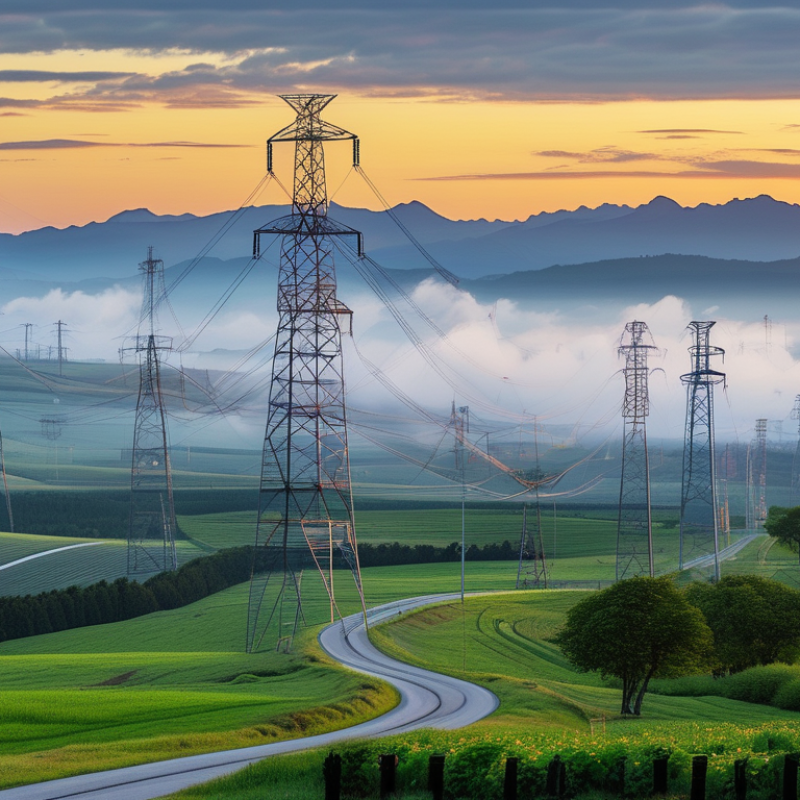
Why Is Telecom Electric Use Crucial for Global Buyers?

The Importance of Telecom Electric Use in Global Commerce

Telecom electric use plays a critical role in global commerce. With the rise of digital communication, businesses rely on robust telecommunications networks. These networks support day-to-day operations, enhance productivity, and foster connections across borders. Companies need real-time data and communication. Effective telecom solutions ensure seamless interactions in a fast-paced market.

Many global buyers seek reliable telecom services. These services contribute to efficient supply chains and customer satisfaction. However, some regions experience challenges like inconsistent power supply and outdated infrastructure. This can hinder growth and innovation. Companies need to address these issues to remain competitive. Investing in modern telecom infrastructure is essential for long-term success.

The proliferation of e-commerce highlights the importance of telecom electric use. With more transactions happening online, a stable connection is non-negotiable. Customers expect quick responses and support. Businesses that fail to meet these expectations risk losing clients. It’s evident that ongoing investment in telecom is not just beneficial but necessary. Addressing these challenges can help pave the way for future advancements.

Key Factors Driving Demand for Telecom Energy Among Buyers

Telecom energy is increasingly important for global buyers. This demand arises from various factors driving the telecom industry's growth. Reliable energy sources are essential for maintaining robust communication networks. As regions expand their telecom infrastructures, so does the need for consistent energy supply.

The rising digital economy is a key driver. Companies rely heavily on uninterrupted internet access. Network outages can lead to significant revenue loss. Buyers seek energy solutions that ensure stability and reliability. Understanding energy consumption patterns can help optimize costs. This balance is vital in a fluctuating market.

Investing in renewable energy sources also shapes buyer decisions. Many buyers prefer sustainable options to reduce carbon footprints. Incorporating green energy aligns with corporate social responsibility goals. Beyond cost, buyers are looking for ethical energy solutions. Assessing long-term benefits versus immediate costs often presents a dilemma. Reflection on these choices can influence future investments.

Impact of Telecom Electric Consumption on Competitive Pricing

Telecom electric consumption significantly shapes competitive pricing for global buyers. High electricity usage in telecom infrastructures can lead to increased operational costs. Providers often pass these costs onto consumers. This dynamic makes it essential for buyers to understand the cost structure behind their services.

One factor to consider is energy efficiency. Investments in renewable energy sources can help telecom companies reduce costs. These savings can then reflect in competitive pricing structures for the end consumers. An effective power management strategy could lower electric consumption, promoting better pricing options.

Buyers should evaluate the energy policies of their providers. Companies that prioritize sustainability may provide more competitive rates in the long term. Understanding these elements helps buyers make informed decisions. When selecting telecom services, consider asking about energy consumption strategies. An informed choice can lead to significant savings for both individuals and businesses.

Why Is Telecom Electric Use Crucial for Global Buyers? - Impact of Telecom Electric Consumption on Competitive Pricing

Region Telecom Electric Consumption (GWh) Competitive Pricing Impact (%) Growth Rate (%)
North America 150000 12 5
Europe 120000 10 4
Asia-Pacific 300000 15 7
Latin America 70000 8 3
Middle East & Africa 50000 6 2

Sustainability and Innovation in Telecom Energy Usage

The telecom industry is undergoing a significant transformation in energy usage. A recent report indicates that telecom accounts for approximately 2-4% of global electricity consumption. This figure is expected to rise as data traffic increases. With the growing demand for high-speed internet, optimizing energy consumption is vital for sustainability. Innovative solutions are required to reduce the carbon footprint.

Telecom companies are exploring renewable energy options. For instance, a study revealed that about 30% of telecom firms are investing in solar or wind energy. These alternatives are not only environmentally friendly but also cost-effective over time. Energy-efficient technologies can help save billions annually. Yet, implementing these innovative systems is a complex task. Challenges include high initial costs and the need for technical expertise.

The focus on sustainability is evident. However, the industry still faces hurdles such as energy reliability and infrastructure adaptation. A delicate balance must be struck between technological advancement and environmental responsibility. Improvement is necessary to meet both operational demands and sustainability targets. Addressing these issues can pave the way for a greener telecom future.

Future Trends in Telecom Electric Use and Market Implications

Telecom electric use is essential for global buyers as it dictates market dynamics and influences operational efficiency. According to the International Telecommunication Union, global electricity consumption from telecommunications is projected to rise by 8% annually through 2025. This trend poses challenges and opportunities. As demand for mobile and internet services escalates, the energy needed to sustain these platforms surges. The reliance on renewable energy sources in telecom is critical. Reports suggest that by 2026, 75% of telecom systems will utilize green energy. This shift is not only sustainable but may also enhance brand perception among eco-conscious consumers.

However, the sector faces hurdles. Despite advancements, some telecom companies still depend on fossil fuels. A 2022 report by the Global System for Mobile Communications indicates that over 60% of telecom operators have yet to implement comprehensive sustainability strategies. This inconsistency in adoption raises questions about long-term viability and competitiveness. As energy costs fluctuate, buyers must consider each provider’s energy sourcing and sustainability commitments. Reliability in service must align with accountability in energy use. Being proactive in understanding these trends helps buyers make informed choices, ultimately leading to a more sustainable telecom ecosystem.

FAQS

: Why is telecom electric use important in global commerce?

: It supports daily operations and enhances productivity in businesses.

How does telecom affect customer satisfaction?

Reliable telecom services ensure efficient communication and quick responses, essential for customer satisfaction.

What challenges do some regions face in telecom services?

Inconsistent power supply and outdated infrastructure hinder growth and innovation.

What trend is projected for global electricity consumption in telecommunications?

It is expected to rise by 8% annually through 2025.

How important is renewable energy for telecom providers?

It is crucial for sustainability and can improve brand perception among eco-conscious consumers.

What percentage of telecom systems is expected to use green energy by 2026?

Reports indicate that 75% of telecom systems will utilize green energy.

What hurdles do telecom companies face today?

Many still rely on fossil fuels and lack comprehensive sustainability strategies.

Why is it essential for buyers to understand energy sourcing from telecom providers?

Reliability in service must match accountability in energy use for long-term sustainability.

What might happen if telecom companies ignore sustainability?

Inconsistency in adoption raises questions about long-term competitiveness and viability.

How can buyers make informed choices in telecom?

Staying proactive about trends helps buyers select providers aligned with sustainable practices.

Conclusion

Telecom Electric Use is increasingly crucial for global buyers as it directly influences commerce on a multinational scale. The demand for telecom energy is driven by several factors, including the growing reliance on digital communication and the need for reliable connectivity. As businesses expand their operations globally, the optimization of telecom electric consumption becomes essential for maintaining competitive pricing and ensuring efficient service delivery.

Furthermore, sustainability and innovation are becoming central themes in telecom energy utilization, prompting companies to seek greener solutions that align with global environmental standards. Looking ahead, emerging trends in telecom electric use will likely reshape market dynamics, fostering greater efficiency and resilience in global supply chains. By understanding these developments, buyers can better navigate the evolving landscape of telecom energy and leverage it for strategic advantages.

Sophia

Sophia

Sophia is a dedicated marketing professional with an exceptional depth of knowledge about her company's products and services. With a keen understanding of market trends and customer needs, she crafts insightful blog posts that not only inform but also engage readers, enriching the company’s online......