Choosing Renewable Energy Solutions is no longer a distant environmental ambition. It is a practical decision involving costs, reliability, local regulations, and long-term performance.
The market is expanding quickly. IRENA’s Renewable Capacity Statistics 2024 reported 473 gigawatts of renewable capacity added worldwide in 2023. That represented 86% of total new power capacity. The IEA’s Renewables 2023 report expects global renewable capacity to grow by 2.5 times between 2022 and 2028. These figures are encouraging, but they do not guarantee that every solar panel, battery, or heat pump fits every building.
“Renewables are the only source of energy whose share is expected to grow,” said Fatih Birol, Executive Director of the International Energy Agency. His observation highlights the direction of the market, not a simple buying formula. A shaded roof may weaken solar output. A large battery may exceed a household’s real needs. A low upfront price may hide weaker warranties or difficult maintenance.
The following seven tips examine those details closely. They consider energy audits, installation quality, storage, financing, grid connection, supplier experience, and measurable emissions reductions. Look at the roof first. Check the tariff next. Ask who repairs the inverter after year eight. Small questions matter.
There is no perfect solution. Even expert recommendations require local testing and honest cost assumptions. A careful choice should match daily energy use, weather patterns, available space, and future demand. That practical discipline makes Renewable Energy Solutions more dependable, financially sensible, and credible over time.
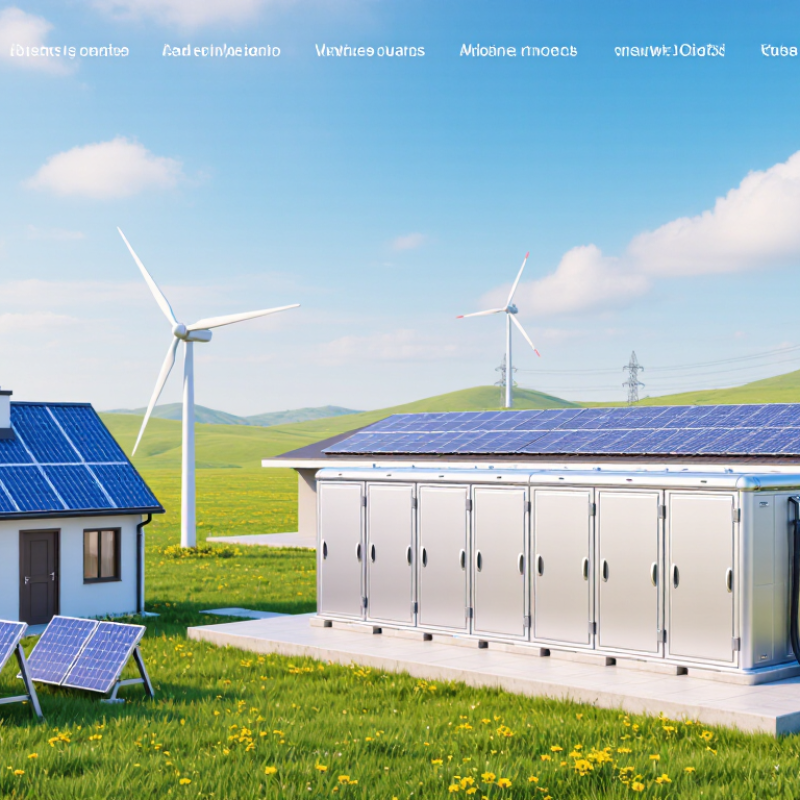
Understanding Renewable Energy Options and Their Applications
Renewable energy is not a single technology. Solar photovoltaic panels suit sunny roofs, while solar thermal systems can support hot-water needs. Wind systems require steady airflow and suitable spacing. Small hydro may work near reliable streams, and geothermal systems can provide stable heating where underground conditions allow. Each option serves a different application.
Tip
Start with a resource assessment. Measure sunlight, wind speed, water flow, or ground temperature across seasons. A shaded roof may produce disappointing results, even when annual sunshine seems strong. Review your hourly electricity demand too. A home using most power after sunset may need batteries or grid support. Practical planning begins with real measurements, not attractive estimates.
Tip
Compare the full life cycle. Include installation, permits, maintenance, replacement parts, storage, and disposal. Ask qualified professionals for documented performance data and realistic warranties. Safety inspections matter, especially for electrical connections and rooftop loads. No option is perfect. I sometimes find that a smaller system, installed carefully, performs better than a larger one chosen too quickly. Check local rules and available incentives before signing any contract. Regular monitoring can reveal falling output, dirty panels, blocked vents, or battery degradation early. Reliable decisions come from matching the technology, site, budget, and daily energy habits.
Assessing Your Energy Needs and Available Local Resources
7 Tips for Choosing Renewable Energy Solutions
Assessing Your Energy Needs and Available Local Resources
Choosing renewable energy starts with your actual energy use, not an attractive technology brochure. Record twelve months of electricity bills and note seasonal changes. Include heating, cooling, water heating, and future equipment. Measure twice. My first estimate was too optimistic because I ignored winter heating demand.
Inspect the site during different hours. Roof shade, tree growth, roof age, and available space can change the result. Local sunlight maps, wind records, rainfall patterns, and water access offer useful evidence. However, online estimates cannot replace an on-site assessment. Ask a qualified professional to check structural safety, wiring, and local approval requirements.
Compare solutions against your daily load. Solar may fit strong sunlight, while wind requires dependable local wind speeds and suitable clearance. Small hydro systems need consistent water flow and environmental review. Consider battery storage if outages or evening demand matter. Check connection rules, maintenance duties, equipment life, and total costs. A lower purchase price may not mean lower long-term expense. Request clear performance assumptions, warranties, and projected output from experienced, properly licensed providers. Leave room for uncertainty. Weather varies, equipment loses efficiency, and my own calculations can still miss hidden loads. Reliable decisions come from measured use, local data, professional inspection, and honest questions.
Comparing Costs, Efficiency, and Long-Term Financial Benefits
7 Tips for Choosing Renewable Energy Solutions
Compare the full cost, not only the installation quote. Lazard’s Levelized Cost of Energy analysis, Version 17.0 (2024), reports utility-scale solar at about $29–$92 per megawatt-hour and onshore wind at $27–$73. Local financing, grid charges, land, and maintenance can change the result. Request a site-specific estimate. Check annual output, equipment life, insurance, and replacement schedules. A cheaper system may produce less power during costly peak hours.
Efficiency needs practical measurement. Review capacity factor, seasonal production, shading, curtailment, and battery round-trip efficiency. IRENA’s Renewable Power Generation Costs in 2023 found that 81% of newly commissioned renewable projects were cheaper than fossil-fuel alternatives. That statistic is useful, but it is not a guarantee for every site. I once focused too heavily on panel efficiency and underestimated roof repairs. The spreadsheet looked excellent. The roof did not.
Model long-term financial benefits with conservative assumptions. Test electricity-price increases, interest rates, tax treatment, degradation, and ten-year maintenance costs. Include battery replacement risk and the value of backup power. The International Energy Agency’s World Energy Investment 2024 report estimated global clean-energy investment would exceed $2 trillion that year. Ask for independent performance data, transparent warranties, and verified energy-yield estimates. Measure actual monthly output after commissioning. Revise the model when reality disagrees. That happens.
7 Tips for Choosing Renewable Energy Solutions: Comparing Costs, Efficiency, and Long-Term Financial Benefits
This comparison uses the midpoint of reported unsubsidized levelized cost of energy ranges in 2024 industry assessments and representative capacity factors from energy-generation statistics. A lower LCOE generally indicates a stronger long-term cost position, while a higher capacity factor reflects more consistent electricity production. Actual results vary with location, financing, resource quality, construction costs, and grid conditions.
LCOE is shown in 2024 USD per megawatt-hour. Capacity factor represents typical annual electricity output compared with maximum theoretical output.
Checking Reliability, Maintenance, and Grid Compatibility
7 Tips for Choosing Renewable Energy Solutions?
Reliability begins with evidence, not attractive forecasts.
Ask for measured availability, degradation rates, weather limits, and warranty conditions. Check whether local technicians can repair the system within days, not weeks. Review spare-parts access and emergency procedures. In project reviews, weak maintenance planning often causes more trouble than equipment failure. The International Energy Agency reported nearly 510 gigawatts of renewable capacity additions in 2023, showing rapid growth but also increasing operational complexity.
Maintenance should be visible in the contract.
Require inspection intervals, remote monitoring, performance alarms, and clear response times. Include cleaning plans for dusty sites and corrosion checks near coastal areas. Budget for inverter replacement and battery degradation. Do not trust a perfect first-year estimate. IRENA’s Renewable Power Generation Costs in 2023 found that 81% of new utility-scale renewable projects were cheaper than fossil-fuel alternatives, yet lower cost does not guarantee dependable operation.
Grid compatibility deserves equal attention.
Confirm voltage, frequency, protection settings, fault-ride-through capability, and export limits with the network operator. Ask how the system handles curtailment and whether storage can reduce peak injections. NREL’s Annual Technology Baseline highlights how resource quality, system design, and grid conditions shape project performance. A smaller system may be wiser.
One uncomfortable question remains: can the local grid accept your power when the sun shines brightly and demand falls?
Evaluating Providers, Incentives, and Environmental Impact
Choosing Renewable Energy Solutions: Evaluating Providers, Incentives, and Environmental Impact
A capable provider should explain system output, maintenance needs, and contract limits in plain language. Ask for project references with similar roof size, climate, and electricity demand. Request production estimates based on local weather records, not ideal laboratory conditions. Check licensing, insurance, warranties, and independent performance data. Small details matter. A missing maintenance clause can become an expensive surprise.
Compare total costs, not just the advertised installation price. Include permits, inspections, battery replacement, grid connection fees, and financing charges. Review public incentive programs through official government or utility websites. Eligibility may depend on income, property type, installation date, or equipment certification. Ask who applies for the incentive. Some contracts quietly transfer that benefit to the provider.
Environmental impact requires wider thinking. Examine equipment materials, expected lifespan, recycling options, and transport distance. A solar panel may produce clean electricity, yet its manufacturing footprint still deserves attention. In one small facility audit, my initial savings estimate was too optimistic because winter shading reduced output. That mistake changed the design. Measure roof shadows at different hours, check seasonal demand, and compare projected emissions with your current energy mix. Independent engineers, transparent assumptions, and documented calculations make decisions more trustworthy.
FAQS
Collect twelve months of electricity bills. Include heating, cooling, water heating, and planned equipment. Seasonal demand matters. My first estimate failed because I ignored winter heating.
Check roof shade, tree growth, roof age, available space, and structural strength. Inspect the site at different hours. A sunny roof can become shaded later.
Solar suits sites with strong, consistent sunlight. Wind needs dependable wind speeds and safe clearance. Small hydro requires steady water flow and environmental review. Local evidence matters more than attractive brochures.
Consider storage for evening demand or power outages. Check usable capacity, round-trip efficiency, replacement costs, and warranty terms. Batteries add resilience. They also add uncertainty.
Compare installation, financing, grid charges, land, insurance, maintenance, and replacement costs. Review projected annual output. A cheaper system may produce less power during expensive peak hours.
Test electricity-price changes, interest rates, taxes, equipment degradation, and ten-year maintenance costs. Include battery replacement risks. The spreadsheet may look perfect. Reality may disagree.
Require inspection intervals, remote monitoring, performance alarms, and response times. Confirm cleaning plans for dusty locations. Coastal sites need corrosion checks. Ask about local repair technicians and spare parts.
Confirm voltage, frequency, protection settings, export limits, and fault-response requirements. Ask how curtailment works. Check whether the network can accept power during bright, low-demand periods. A smaller system may be wiser.
Conclusion
Choosing the right Renewable Energy Solutions begins with understanding the main options, such as solar, wind, hydropower, geothermal, and energy storage, and identifying which applications best fit your property or organization. Start by reviewing your energy consumption, peak demand, budget, site conditions, and the renewable resources available locally. This assessment can help determine whether an individual system, a hybrid approach, or a grid-connected solution is most practical.
Next, compare installation costs, operating expenses, efficiency, expected lifespan, and potential long-term savings rather than focusing only on the initial price. Reliability, maintenance requirements, backup capacity, and compatibility with the existing power grid are also essential considerations. Finally, research qualified providers, available government incentives, warranties, and service support. A responsible choice should reduce emissions while protecting natural resources and meeting your future energy needs. By evaluating technical, financial, environmental, and practical factors together, you can select a solution that offers dependable performance and lasting value.
